Une Symphonie Gothique de Pierre
Au cœur de Liège, là où les échos des siècles passés flottent encore dans l'air belge, se dresse la Cathédrale Saint-Paul —un témoignage époustouflant de la puissance durable de la dévotion spirituelle et artistique. Cet édifice magnifique est bien plus qu'un simple lieu de culte ; c'est une chronique vivante de l'évolution architecturale, traçant son lignage depuis une humble chapelle romane du Xe siècle jusqu'aux hauteurs vertigineuses de la grandeur gothique française. Franchir ses portes, c'est pénétrer dans un royaume où le temps ralentit et où le poids de l'histoire se dissout dans une atmosphère de lumière éthérée et de profonde tranquillité. La silhouette de la cathédrale, définie par ses arches imposantes et son calcaire méticuleusement sculpté, sert de pont céleste entre la cité terrestre et le divin, incarnant l'esprit ambitieux des artisans médiévaux qui cherchaient à capturer l'essence même du paradis dans la pierre.
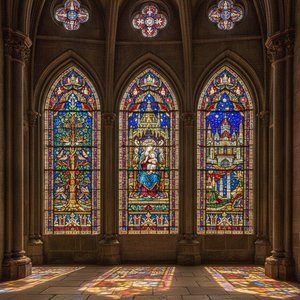
L'intérieur de la cathédrale est une leçon magistrale sur la manipulation de l'ombre et de la lumière, une caractéristique qui captive les pèlerins et les passionnés d'art depuis des générations. En déambulant dans la nef, le regard est inévitablement attiré vers le haut, vers les magnifiques vitraux. Ces panneaux vibrants et translucides agissent comme des tapisseries lumineuses, tissant les récits bibliques et la vie des saints dans un kaléidoscope de couleurs. Lorsque le soleil perce à travers ces verres anciens, le sol de la cathédrale est baigné de nuances changeantes de saphir, de rubis et d'émeraude, transformant l'espace sacré en un sanctuaire kaléidoscopique. Ce jeu de lumière ne se contente pas d'illuminer l'architecture ; il insuffle la vie à la pierre, créant un sentiment de mouvement et de divinité qui semble presque surnaturel.
Trésors Sculpturaux et Héritage Sacré
Au-delà de sa splendeur architecturale, la cathédrale abrite de profonds trésors sculpturaux qui exigent une connexion émotionnelle intime. Le plus remarquable est le poignant Christ au Tombeau , un chef-d'œuvre de sensibilité et de technique. Qu'il soit considéré comme l'œuvre de Jean Dubois ou attribué au légendaire maître local Jean Del Cour , cette sculpture incarne un profond sentiment de compassion et d'humilité. La manière dont le marbre capture l'immobilité du repos et le poids de la mortalité offre un moment de réflexion silencieuse à chaque visiteur. Complètent ce tableau les œuvres complexes de Jean Del Cour dispersées dans tout le sanctuaire, notamment un Christ en croix de bronze et de délicates statues en bois de tilleul qui illustrent l'apogée du savoir-faire d'influence baroque dans la région.
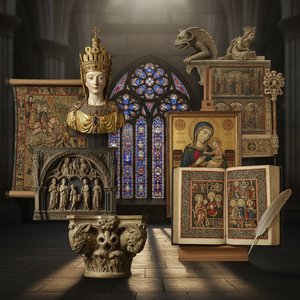
L'importance historique de Saint-Paul est inextricablement liée aux marées turbulentes de l'histoire belge. Suite à la destruction de l'ancienne cathédrale Saint-Lambert pendant la Révolution française, cette ancienne église collégiale a pris de l'importance en devenant le nouveau siège du diocèse de Liège, héritant ainsi d'un legs d'une immense autorité spirituelle. Cette période de transition a imprégné la cathédrale d'un caractère unique—un mélange de fierté gothique reconstruite et de la résilience d'une communauté se relevant des cendres de la révolution. Pour ceux qui recherchent la beauté dans ses formes les plus brutes et les plus émouvantes, la cathédrale offre un aperçu de la riche tradition de l'artisanat flamand à travers ses divers trésors conservés dans ses cloîtres, notamment :
- Le Trésor de Liège : Une collection d'objets liturgiques précieux et de reliques historiques.
-
- L'Art Néo-Gothique : La chaire de vérité au design complexe qui orne le sanctuaire avec un détail saisissant.