A Journey Through Faith, Art & History: Exploring Lucca Cathedral
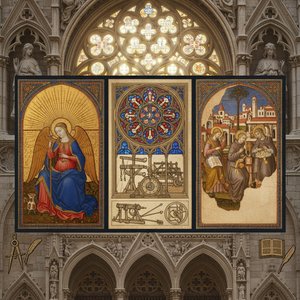
The Cathedral of San Martino in Lucca, Italy, transcends the simple notion of a religious edifice; it’s an immersive experience—a testament to centuries of artistic evolution and spiritual devotion. Situated in Tuscany's charming provincial capital, this cathedral complex invites visitors on a captivating voyage through time, offering unparalleled insight into Italian Renaissance and Romanesque heritage. Its walls whisper tales of emperors, saints, and artists who have shaped Lucca’s cultural identity, making it an unforgettable destination for anyone passionate about art history or architectural grandeur. Architectural Marvel & Layers of Time Initially conceived as a church in the 11th century upon the ruins of earlier structures, San Martino’s façade embodies Lucchese Romanesque style—characterized by robust walls, arched windows, and monumental sculptures. However, its story doesn't end there. Subsequent renovations and expansions throughout the Renaissance and Baroque periods have enriched its architectural tapestry, resulting in a harmonious blend of styles that speaks to Lucca’s enduring spirit. Careful observation reveals intricate detailing – from ribbed vaults adorned with frescoes depicting biblical scenes to elaborate carvings celebrating saints—each element contributing to the cathedral's majesty. The cathedral stands as an exemplary illustration of Romanesque architecture, showcasing masterful craftsmanship and symbolic representation, a style that continues to inspire awe in visitors today. Collection Highlights: Treasures Within Walls The Cathedral’s collection boasts remarkable artworks that illuminate pivotal moments in artistic history. Among its most celebrated treasures is “Ilaria del Carretto,” a monumental sculpture by Iacopo della Quercia, commissioned in 1497. This Renaissance masterpiece portrays the head of Lucca's patron saint—a poignant depiction imbued with humanist ideals and masterful execution—demonstrating Della Quercia’s unparalleled skill in capturing emotion and anatomical precision. Visitors can admire this sculpture alongside other masterpieces from various eras, including “The Holy Face Relic,” a wooden crucifix dating back to the medieval period, believed to possess miraculous powers and attracting pilgrims from across Europe for centuries. Its solemn beauty reflects the profound faith of its time and exemplifies the artistic traditions of the era. Furthermore, the cathedral houses an impressive assemblage of sculptures crafted by renowned artists throughout history—including works by Michelangelo Buonarroti and Alessandro Ludovico Borghese—reflecting Lucca’s role as a cradle of artistic innovation. Beyond Sculpture & Faith: Archaeological Echoes & Artistic Inspiration Delving deeper into San Martino’s history reveals fascinating archaeological discoveries—artifacts unearthed during excavations conducted in Lucca's ancient Roman and medieval past. These relics offer tangible connections to the region’s formative civilizations, showcasing pottery shards, mosaics, and architectural fragments that illuminate daily life and artistic sensibilities of bygone eras. Particularly noteworthy was a retrospective dedicated to Carlo Carrà’s “San Martino,” which showcased his distinctive realist style—characterized by bold brushstrokes and expressive color palettes—inspiring generations of artists with its uncompromising vision. The cathedral continues to inspire creativity today, attracting visitors from around the globe who seek to engage with art history and contemplate the enduring power of faith and beauty. Notable Exhibitions & Artistic Legacy Throughout its history, San Martino has served as a focal point for artistic exhibitions and scholarly discourse. These events have drawn international acclaim, highlighting Lucca’s contribution to European artistic heritage and fostering dialogue between artists and historians alike. The cathedral's collection remains an invaluable resource for researchers studying Renaissance sculpture and medieval iconography—a testament to Lucca’s enduring commitment to preserving cultural treasures for future generations. Its serene atmosphere invites contemplation and reflection, reminding visitors of the transformative power of art and its ability to transcend time.- Address: Piazza San Martino, Lucca
- Hours: Daily 9 AM - 6 PM
- Admission Fee: €8