Un chef-d'œuvre baroque au cœur de Dorsoduro
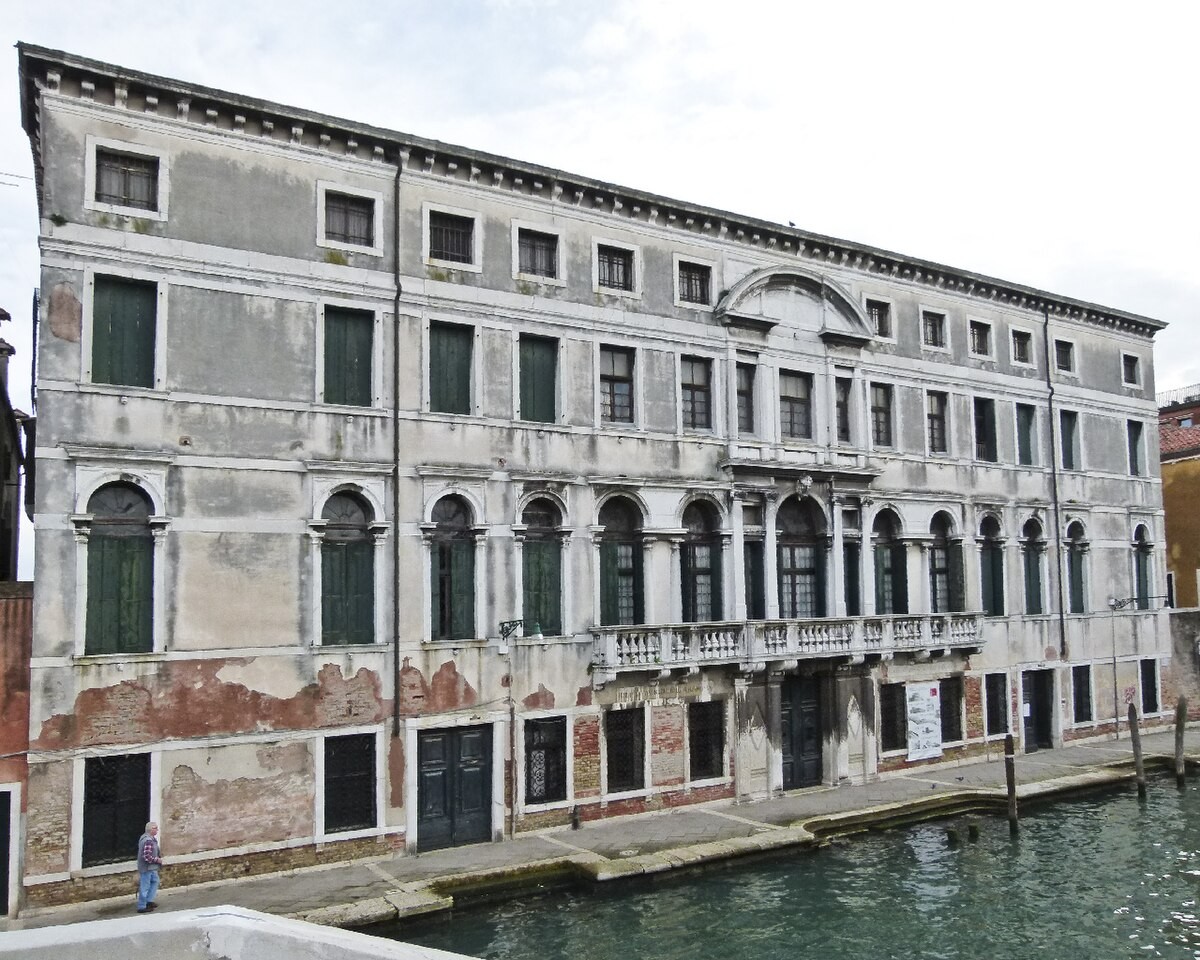
Dans les rues calmes et labyrinthiques du quartier de Dorsoduro à Venise, loin de l'énergie frénétique de San Marco, se niche un sanctuaire d'une intimité sereine connu sous le nom de Ca' Zenobio degli Armeni . Ce magnifique palazzo, qui fait face aux eaux tranquilles du Rio dei Carmini, offre bien plus qu'un simple aperçu du passé ; il propose un voyage immersif dans l'âme même du baroque vénitien. Construit à l'origine sur les fondations d'une résidence gothique du XIVe siècle, le palais que nous contemplons aujourd'hui est un triomphe de l'ambition architecturale du baroque tardif. Commandée par la riche famille Zenobio et réalisée par l'architecte Antonio Gaspari , la structure incarne la grandeur et la symétrie qui ont défini une époque de prospérité vénitienne sans précédent.
Entrer dans Ca' Zenobio, c'est pénétrer dans un monde où la pierre et le pigment conspirent pour raconter des histoires de noblesse et de dévotion. L'architecture elle-même sert de scène dramatique aux trésors qu'elle renferme. En déambulant dans ses couloirs, le jeu d'ombre et de lumière — marque de fabrique de l'esprit baroque — révèle le travail méticuleux de la pierre d'Istrie et des stucs élaborés. Pour le designer d'intérieur ou l'amateur d'esthétique classique, le palazzo offre une étude inégalée sur la manière dont l'élégance structurelle peut s'harmoniser avec une ornementation opulente pour créer un espace qui semble à la fois monumental et profondément personnel.
La splendeur céleste de la Sala degli Specchi
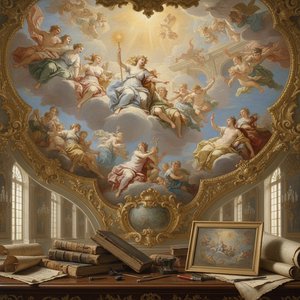
Le véritable cœur du musée bat au sein de la Sala degli Speciente , ou Salle des Miroirs, une pièce si époustouflante qu'elle semble défier les frontières entre réalité et illusion. Ici, le plafond et les murs se dissolvent en visions célestes, grâce aux fresques magistrales de deux titans de la peinture vénitienne : Giovanni Battista Tiepolo et Nicolas Dorigny . Tiepolo, maître incontesté de la couleur lumineuse et de la composition théâtrale, a insufflé à l'espace un sentiment de ciel infini, tandis que les contributions de Dorigny ont ajouté une couche de grâce douce et contemplative. Ces fresques ne sont pas de simples décorations ; elles sont des fenêtres ouvertes sur les idéaux humanistes et les aspirations grandioses de l'aristocratie vénitienne.
Cette salle agit comme un rappel profond du pouvoir de l'art à transformer un espace physique en une expérience spirituelle. La façon dont la lumière accroche les détails dorés et les coups de pinceau amples des maîtres crée une atmosphère rythmique, presque musicale. Pour les collectionneurs et les historiens de l'art, être témoin de la convergence de l'énergie monumentale de Tiepolo et de la touche délicate de Dorigny offre une opportunité rare d'apprécier le zénith de la peinture décorative vénitiente dans son contexte original et voulu.
Un héritage de culture et de connexion mondiale
Au-delà de ses triomphes architecturaux et picturaux, Ca' Zenobio occupe une place unique dans la tapisserie culturelle de Venise grâce à son évolution historique. Au milieu du XIXe siècle, le palais est passé d'une résidence aristocratique privée à un centre vital pour la communauté arménienne, devenant finalement le foyer du prestigieux Collège Arménien Moorat-Raphael . Ce changement a insufflé au bâtiment une nouvelle dimension intellectuelle et spirituelle, transformant un monument de richesse en un vecteur d'éducation et de préservation culturelle. La collection du musée reflète ce patrimoine diversifié, englobant des œuvres qui célèbrent l'étendue de l'art vénitien, de la spiritualité sereine de Giovanni Bellini à la maîtrise technique vibrante de Titien .
L'expérience de Ca' Zenobio est enrichie par ses jardins environnants. Le palais possède un remarquable jardin privé, comprenant un pavillon néoclassique ou casino conçu par l'architecte Tommaso Temanza . Ce refuge luxuriant et romantique offre un moment de quiétude, permettant aux visiteurs de méditer sur les chefs-d'œuvre qu'ils viennent de découvrir. Que l'on soit attiré par le poids historique de la lignée Zenobio, la brillance technique des maîtres baroques ou la beauté paisible de ses jardins cachés, Ca' Zenobio degli Armeni demeure une destination essentielle pour quiconque cherche à comprendre l'héritage éternel et lumineux de Venise.