A Journey Through History, Art & Remembrance at Basilica di Superga
Basilica di Superga stands as a testament to resilience and artistic grandeur—a place where the echoes of royal ambition intertwine with profound sorrow and breathtaking beauty. Located atop Mill Hill overlooking Turin, Italy, this Baroque masterpiece isn’t merely a church; it's a living chronicle of Italian history, profoundly shaped by tragedy and illuminated by masterful artistry.
Historical Significance: Commissioned in the early 18th century by Vittorio Amedeo II as an expression of gratitude for surviving a siege, the Basilica embodies the spirit of the Savoy dynasty. However, its fame transcends royal patronage—it’s inextricably linked to the Superga Air Disaster of May 4, 1949, where the entire Grande Torino football team perished in a devastating crash, forever etching itself into Italian collective memory. The memorial erected within the Basilica serves as a poignant pilgrimage site for fans worldwide, honoring those lost in pursuit of sporting glory—a testament to Turin’s enduring connection with its celebrated past.
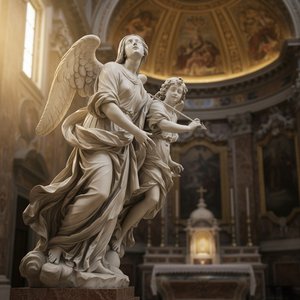
Architectural Marvel: Designed by Filippo Juvarra, arguably Italy's greatest Baroque architect, the Basilica dominates Turin’s skyline with its colossal dome—a symbol of power and divine aspiration. Inside, visitors are enveloped in richly ornamented spaces adorned with frescoes depicting biblical scenes and sculptures celebrating royal virtues. The meticulous craftsmanship reflects the opulent tastes of the Savoy rulers; a deliberate choice to convey grandeur and piety.
Collection Highlights & Exploration: Within the Basilica’s walls reside treasures that speak to Turin's artistic heritage. Notably, the Royal Tombs house the remains of numerous Savoy monarchs—a poignant reminder of Italy’s aristocratic past. Admire the intricate frescoes and sculptures crafted during the Baroque era, showcasing the exceptional talent of artists who captured the grandeur of their time. Consider exploring similar landscapes and artistic styles – perhaps Henry Childe Pocock’s “View from Highwood Hill” or William Merritt Chase’s “Shinnecock Hills Autumn,” both capturing serene beauty in Impressionistic hues.
Notable Exhibitions: Keep an eye out for temporary exhibitions focusing on Turin's artistic traditions and the Basilica’s role in shaping its cultural landscape. These displays often delve into the influences of Baroque art across Europe, providing invaluable context for understanding Superga’s aesthetic significance.
What Makes Superga Unique: Basilica di Superga distinguishes itself not only through its breathtaking panoramic vistas overlooking Turin and the Alps but also through its profound narrative—a story woven from royal gratitude, national tragedy, and artistic brilliance. It's a place where faith, art, and memory converge—creating an experience that transcends mere sightseeing and delves into the heart of Italian identity. Visiting Superga is more than just admiring architectural splendor; it’s embarking on a journey through Turin’s history and appreciating the enduring legacy of Baroque artistry.