A Pilgrimage Through Art and Faith: The Basilica of Santa Casa
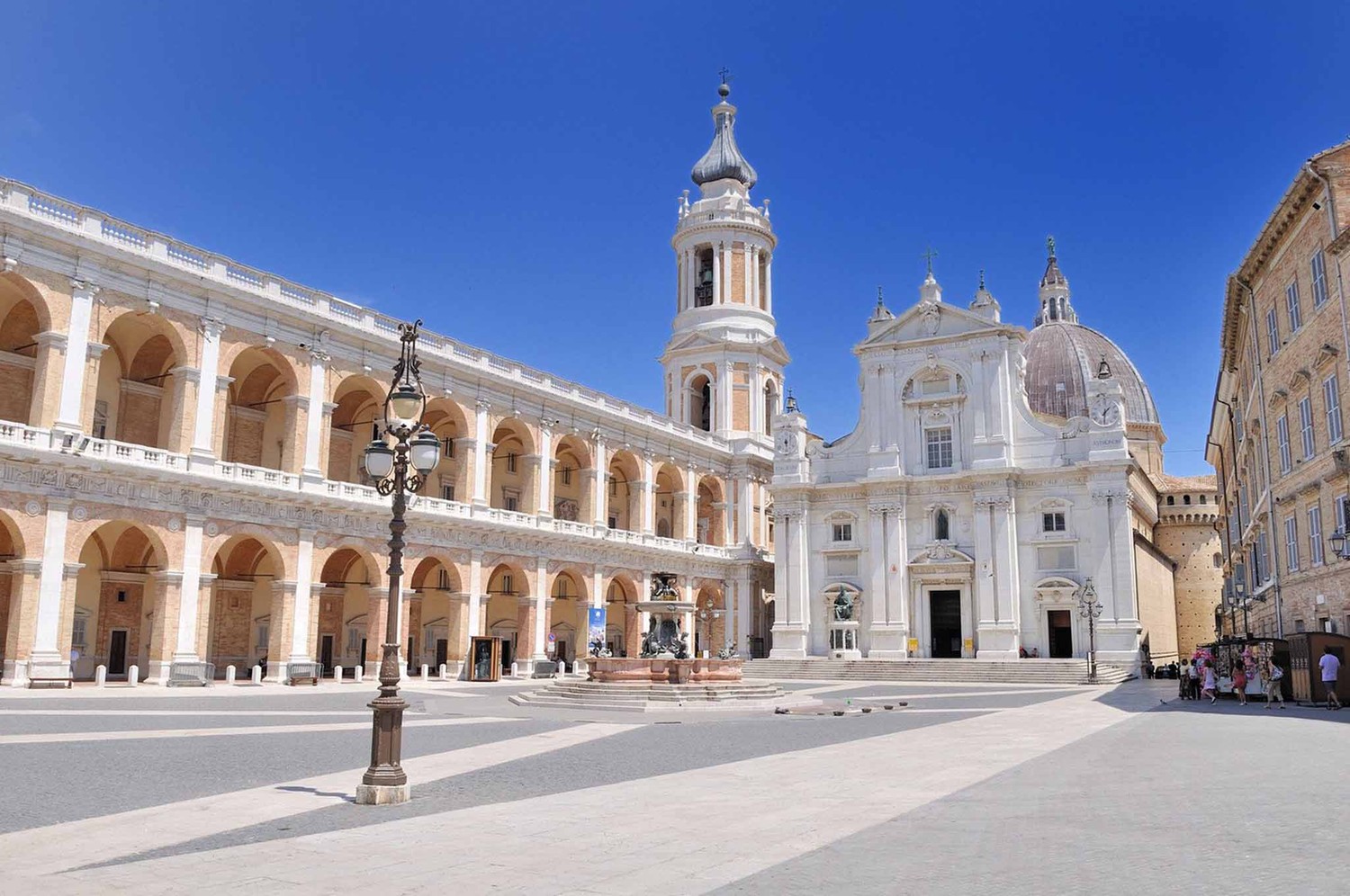
The Basilica of Santa Casa in Loreto, Marche, Italy, transcends mere architectural grandeur; it embodies a profound spiritual narrative interwoven with an extraordinary artistic heritage—a testament to centuries of devotion and the enduring fascination for the Holy House of Nazareth. More than simply a religious sanctuary, this UNESCO World Heritage Site represents a meticulously crafted masterpiece that reflects the spirit of its origins: the miraculous transport of the Holy House from Jerusalem to Loreto in the 13th century. This extraordinary event has cemented Loreto’s position as one of Italy’s most revered pilgrimage destinations and simultaneously fostered an astonishing artistic legacy—a beacon for those seeking inspiration and beauty.
Historical Roots & The Miracle
Legend recounts that Crusaders, fleeing Palestine after their expulsion by Muslim forces, miraculously rescued the Holy House – believed to be Mary’s birthplace – from destruction. This narrative fueled fervent belief and prompted the construction of a chapel in Illyria (later rebuilt in Recanati) to honor this divine intervention. The subsequent relocation to Loreto in 1294, orchestrated by the Angeli family, further solidified the Basilica's significance as a beacon of Marian faith and initiated an ongoing architectural evolution that continues to captivate visitors today. Archaeological investigations corroborate these tales, revealing evidence of stone originating from Palestine and confirming the veracity of the angelic transport – a cornerstone of Loreto’s spiritual identity. The Basilica’s walls stand as silent witnesses to this miraculous journey, reminding pilgrims of the unwavering faith that propelled its creation.
Architectural Splendor: From Gothic Roots to Renaissance Refinement
Initially enclosed by walls erected around the Holy House itself, the Basilica underwent significant transformations throughout the centuries, incorporating contributions from prominent architects like Bramante and Luigi Vanvitelli. The current structure showcases a harmonious blend of Gothic and Renaissance styles, resulting in a visually arresting experience characterized by soaring vaults, ornate marble cladding, and breathtaking stained glass windows. Notably, Bramante’s dome – considered one of the finest achievements of Renaissance architecture – dominates the Piazza del Santuario, symbolizing divine majesty and serving as a focal point for contemplation. Its grandeur speaks to the ambition of its builders and reflects the Basilica's enduring commitment to artistic excellence.
Renaissance Art: Lorenzo Lotto & Raphael's Tapestries
The Basilica’s artistic treasures are particularly concentrated in its collection of Renaissance masterpieces. Among these stand out paintings by Lorenzo Lotto, renowned for their masterful use of color and expressive figures that convey profound emotion. Lotto’s canvases depict scenes from the Gospels with remarkable sensitivity and detail, capturing the essence of Christian iconography. His meticulous technique—characterized by subtle shading and luminous hues—elevates his works to a level of artistic sophistication unparalleled in its time. Equally impressive is the Basilica's ensemble of tapestries designed by Raphael – originally intended for the Sistine Chapel – which adorn the interior walls with vibrant depictions of biblical narratives. These intricate artworks exemplify Raphael’s artistic genius and contribute to the Basilica’s overall grandeur, transporting viewers back to the splendor of Renaissance Rome.
Notable Exhibitions & Ongoing Preservation
Throughout its history, the Basilica has hosted numerous exhibitions showcasing both Loreto’s artistic heritage and broader themes related to Marian devotion. Recent initiatives have focused on enhancing visitor accessibility and promoting scholarly research into the Basilica's architectural evolution and artistic significance. Furthermore, ongoing conservation efforts ensure that the Holy House and its surrounding artworks endure for generations to come, safeguarding Loreto’s legacy as a pilgrimage site and an unparalleled repository of Renaissance art. The meticulous care taken by curators guarantees that future visitors can appreciate the Basilica’s treasures with the same reverence and wonder experienced by those who came before them—a testament to Loreto's enduring commitment to preserving its artistic heritage for posterity.
### What Makes Santa Casa Unique?
The Basilica of Santa Casa distinguishes itself not merely as a museum or historical monument but as a living embodiment of faith and tradition. The convergence of the miraculous story surrounding the Holy House, the breathtaking artistic achievements of Lotto and Raphael, and the serene atmosphere within its walls creates an unforgettable journey for pilgrims and art enthusiasts alike—a place where history, spirituality, and beauty intertwine to inspire awe and reverence. Its enduring appeal lies in its ability to transport visitors back to a pivotal moment in Christian history while simultaneously presenting them with masterpieces of Renaissance artistry—a singular experience that resonates deeply within the soul.