Menu
CONSEIL EN ART GRATUIT

Augustiner Chorherrenstift

Informations clés

  • Alternate names:
    • Augustiner Chorherrenstift
    • Klosterneuburg Abbey
    • Stift Klosterneuburg
  • Location: Klosterneuburg, Autriche
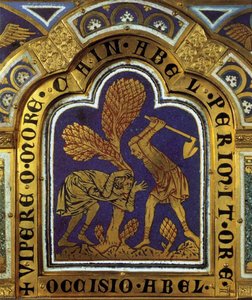
  • Featured artists: nicolas of verdun
  • Works on APS: 3

Quiz d'art

Chaque question ne comporte qu'une seule réponse correcte.

Question 1:
Quel style architectural caractérise l'Abbaye de Klosterneuburg ?
Question 2:
Saint Léopold III fonda l'Abbaye de Klosterneuburg en quelle siècle ?
Question 3:
Klosterneuburg est connue pour sa tradition unique de produire quoi ?
Question 4:
La Basilique vise à inspirer:
Question 5:
Quel règne habsbourgeux soutint activement la reconstruction de l'Abbaye de Klosterneuburg ?

A Millennial Tapestry of Faith, Art, and Wine: Exploring Augustiner Chorherrenstift

Augustiner Chorherrenstift stands as a testament to Austria’s enduring artistic spirit—a place where medieval stone whispers tales of saints and emperors alongside Baroque grandeur and the fragrant aroma of centuries-old wine. Founded in 1114 by Saint Leopold III, Margrave of Austria, this monastic institution isn't merely a religious site; it’s an immersive journey through Austrian history and culture, attracting visitors from across the globe who appreciate its multifaceted legacy. ### Architectural Marvel: Baroque Grandeur and Imperial Echoes The Abbey Church itself is undeniably breathtaking—a soaring space designed to inspire awe and contemplation, embodying the pinnacle of Baroque architectural artistry. Constructed primarily between 1730 and 1834 under the patronage of Emperor Joseph II, it showcases intricate frescoes depicting biblical scenes illuminated by masterful chiaroscuro, transporting viewers back to a time of opulent Habsburg rule. These monumental canvases dominate the nave, capturing the grandeur of faith and imperial ambition—a deliberate effort to elevate Klosterneuburg’s status as a symbol of Austrian majesty. Beyond the sacred heart of the church lie equally impressive Imperial Apartments—lavishly decorated rooms that offer intimate glimpses into the lives of emperors and empresses who sought solace and inspiration within these walls. These spaces aren't simply displays of wealth; they are meticulously crafted environments reflecting the tastes and sensibilities of a royal court, adorned with sculptures and paintings commissioned to elevate their status. The Abbey Treasury houses relics imbued with centuries of devotion—a tangible link to Austria’s religious past—and its impressive collection of Baroque artworks underscores the Abbey’s role as a center for artistic excellence. ### Medieval Treasures: Sculpture, Paintings, and Illuminated Manuscripts Delving deeper into Klosterneuburg’s collections reveals a remarkable diversity of artistic expression spanning centuries. The Abbey boasts an exceptional assemblage of medieval sculptures—powerful depictions of saints and biblical figures crafted with unwavering precision—alongside paintings that capture the spirit of the era. These works exemplify the stylistic conventions of their time, reflecting the influence of Gothic traditions while simultaneously embracing innovative techniques. Perhaps most captivating are the illuminated manuscripts—handwritten Gospels and liturgical texts adorned with vibrant pigments and elaborate ornamentation—representing a pinnacle of medieval artistry. These exquisite volumes demonstrate the skill and dedication of monastic scribes who painstakingly transcribed sacred texts by candlelight, preserving knowledge and fostering spiritual contemplation. The Abbey Library houses rare books and historical documents—a haven for scholars eager to explore Klosterneuburg’s rich literary heritage. ### A Singular Tradition: Wine from Sacred Grounds What truly distinguishes Klosterneuburg is its extraordinary vocation as Austria's oldest winery—a tradition inextricably linked to the monastery’s founding and sustained by generations of devoted winemakers. Situated on fertile Danube soil, the Abbey’s vineyards produce wines celebrated for their distinctive terroir—the unique combination of climate, geology, and viticultural practices that contribute to their exceptional character. The estate’s cellars are a testament to centuries of expertise—a living embodiment of Klosterneuburg's heritage and its connection to Austria’s agricultural traditions. Visitors can experience firsthand the meticulous process of transforming grapes into wine—a ritual rooted in monastic piety and perfected over time. ### Notable Exhibitions & Ongoing Engagement Throughout the year, Klosterneuburg hosts exhibitions showcasing both its artistic treasures and its broader historical significance—drawing visitors from across Europe who seek to immerse themselves in Austrian culture. Concert performances featuring internationally acclaimed musicians enrich the visitor experience, fostering a vibrant intellectual exchange and celebrating Klosterneuburg’s role as a cultural beacon. Furthermore, ongoing research into Klosterneuburg's history ensures that its story continues to inspire future generations—solidifying its place as one of Austria’s most treasured landmarks. Its location on the Danube River adds to its charm, offering panoramic views of the surrounding landscape and creating an unforgettable setting for exploration and contemplation.

Collection d'œuvres d'art

Aucune œuvre d'art trouvée.