Menu
CONSEIL EN ART GRATUIT

Sebastiano Mainardi

1460 - 1513

Informations clés

  • Also known as: Bastiano di Bartolo Mainardi
  • Born: 1460, San Gimignano, Italie
  • Nationality: Italie
  • Top 3 works:
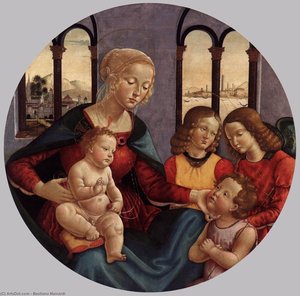
    • Madonna with Child, the Young St John and Two Angels
    • Virgin Adoring the Child with Two Angels
    • Sebastiano mainardi, madonna col bambino e santi
  • Lifespan: 53 years
  • Movements: early renaissance

Quiz d'art

Chaque question ne comporte qu'une seule bonne réponse.

Question 1:
Q1
Question 2:
Q2
Question 3:
Q3
Question 4:
Q4
Question 5:
Q5

Sebastiano Mainardi: A Florentine Master of Madonna Portraits

Sebastiano Mainardi (c.1460 – 1513), born in San Gimignano, Tuscany, stands as a pivotal figure within the Early Renaissance artistic landscape of Florence. Largely illuminated by the meticulous observations of Giorgio Vasari—the celebrated biographer of artists—his life’s narrative remains fragmented yet undeniably intertwined with the flourishing creative spirit of his era. Primarily recognized for his serene Madonna portraits and contributions to monumental frescoes, Mainardi's legacy endures as a testament to Ghirlandaio’s influence and the enduring beauty of Florentine art. Early Life & Training: Giorgio Vasari recounts that Mainardi was apprenticed to Domenico Ghirlandaio, arguably Florence’s most prominent painter during this period. This association proved invaluable, fostering a stylistic kinship characterized by harmonious color palettes and refined compositional balance—traits readily discernible in numerous works attributed to both artists. The careful attention to detail and subtle shading techniques characteristic of Ghirlandaio's oeuvre profoundly shaped Mainardi’s artistic sensibilities from the outset. Collaboration with Ghirlandaio: The Sassetti Chapel frescoes commissioned by Giovanni Battista Sassetti represent arguably Mainardi’s most celebrated achievement. Under Ghirlandaio's guidance, he skillfully executed scenes depicting the Nativity and Adoration of the Magi—a monumental undertaking that demanded mastery of perspective and drapery. These frescoes exemplify the artistic ideals of the time, showcasing a profound understanding of humanist principles and conveying spiritual contemplation. The collaborative effort solidified Ghirlandaio’s reputation as Florence's foremost painter and established Mainardi as a vital component of his artistic lineage. The Abbey of Passignano: Evidence suggests Mainardi participated in decorating the Abbey of Passignano near Florence—though precise details regarding his involvement remain elusive. Scholars believe he contributed to the frescoes adorning the basilica’s interior, furthering Ghirlandaio's artistic vision and bolstering Florentine artistic prestige. The Abbey’s serene setting provided an ideal backdrop for Mainardi’s contemplative style, reflecting the humanist ethos of the Renaissance. Madonna Portraits & Artistic Style: Beyond monumental frescoes, Mainardi produced a series of Madonna portraits distinguished by their tranquil expressions and idealized depictions of motherhood—a hallmark of Florentine art during his time. These paintings exemplify the humanist aesthetic prevalent in Florence—emphasizing spiritual contemplation and conveying profound emotional depth. His style is notable for its subtle modeling and luminous coloration—techniques that capture the ethereal beauty of divine grace. The Madonna portraits stand as enduring symbols of piety and artistic excellence, embodying Mainardi’s commitment to portraying sacred subjects with reverence and sensitivity. Legacy & Influence: Although Mainardi’s oeuvre remains relatively modest compared to contemporaries like Michelangelo or Raphael, his work nonetheless embodies the essence of Florentine Renaissance art—a testament to Ghirlandaio's formative style and subsequent artistic developments. He served as a crucial link between Ghirlandaio’s stylistic innovations and the broader artistic currents of the era—demonstrating the enduring power of mentorship and collaborative creativity. His contribution to Florentine art history continues to inspire admiration, securing his place among the masters of Early Renaissance painting.