A Vibrant Reflection of Andalusian Science: Exploring Parque de las Ciencias’ Artistic Legacy
Parque de las Ciencias, Granada stands as a beacon of scientific exploration and cultural heritage in Spain—a testament to innovation housed within the walls of a beautifully realized space. Established in 1995 as part of the European Network of Science Centers and Museums (ECsite), this sprawling complex isn’t merely about presenting facts; it's about fostering curiosity and inspiring wonder, mirroring the very essence of artistic endeavor itself. And increasingly, Parque de las Ciencias is collaborating with artists to elevate its educational mission through captivating visual representations—particularly stunning art reproductions that capture the spirit of discovery.
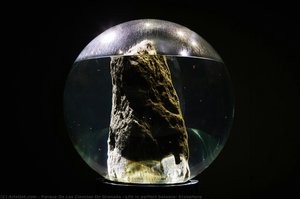
The center’s ambition began with a desire to celebrate Andalusian science and culture, recognizing Granada's rich history as a crossroads of civilizations. This ethos extends beyond its exhibits into its artistic collaborations, where curators seek pieces that resonate with themes of balance, interconnectedness, and the pursuit of knowledge—qualities inherent in both scientific inquiry and creative expression. The “Life in perfect balance: Ecosphere” aquarium painting exemplifies this beautifully; a vibrant depiction of marine life, it’s more than just an illustration – it's a symbol of Parque de las Ciencias’ commitment to showcasing biodiversity and promoting environmental awareness. Its meticulous detail and luminous colors speak to the dedication required for artistic creation, mirroring the precision demanded by scientific observation. Artists like Miguel Ángel Sánchez García have captured this essence in watercolor landscapes that evoke the serene beauty of Andalusian nature—a deliberate choice reflecting Parque de las Ciencias' core values.
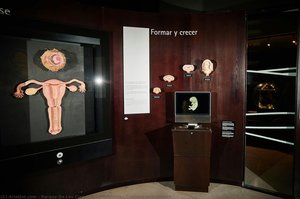
Beyond its impressive collection of exhibits—including a planetarium offering immersive journeys into space and laboratories dedicated to plastination (a technique preserving specimens in resin)—Parque de las Ciencias distinguishes itself through its focus on education and outreach. This commitment informs its partnerships with artists who aim to communicate complex concepts in accessible ways, translating scientific discoveries into emotionally resonant imagery. The “Human skeleton” artwork, for example, powerfully conveys anatomical understanding while simultaneously prompting contemplation about the fragility of human form—a duality that reflects the broader mission of Parque de las Ciencias: illuminating the natural world and fostering appreciation for its intricacies. Collaborations with illustrators like Juan Manuel Sánchez García have enriched this narrative, demonstrating how artistic representation can deepen our comprehension of biological processes.
The influence of Andalusian artistic traditions is palpable throughout Granada’s cultural landscape, shaping everything from architectural styles to musical performances. Parque de las Ciencias recognizes this heritage by actively engaging artists who draw inspiration from Iberian art history—a deliberate choice that underscores the importance of preserving cultural memory alongside scientific advancement. The “Teeth and chewing” reproduction adds another layer to this narrative, subtly referencing Andalusian craftsmanship and artistic sensitivity. Artists specializing in botanical illustration have contributed to Parque de las Ciencias’ mission of promoting environmental awareness, highlighting the beauty and complexity of plant life—a testament to the enduring power of art to inspire wonder and promote understanding.
Ultimately, Parque de las Ciencias’ success lies in its ability to inspire a love for learning and creativity—two pursuits inextricably linked by a shared desire to understand the world around us. Through collaborations with artists like those featured on OriginalUniqueArt.com, the center continues to push boundaries, demonstrating that art can serve as a powerful tool for communicating scientific ideas and enriching our collective experience. Its enduring legacy is not just about presenting facts; it’s about fostering imagination and celebrating the beauty of discovery—a mission beautifully mirrored in the evocative art reproductions that adorn its halls.