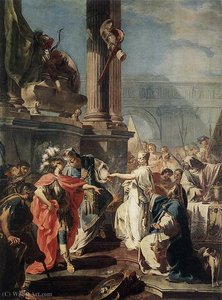
Le Maître Vénitien de la Lumière et du Drame
Dans la splendeur vibrante et aquatique de la Venise du XVIIIe siècle, peu d'artistes ont capturé l'essence théâtrale des périodes tardive du Baroque et du Rococo avec autant d'aisance que Giovanni Battista Pittoni. Né le 6 juin 1687, Pittoni a émergé d'une cité qui était elle-même une scène de grands spectacles, apportant à sa toile un sens du mouvement et de la luminosité qui allait définir toute une époque. Bien que ses premières années aient été ancrées dans les traditions de sa Venise natale, son âme artistique fut façonnée par un lien profond avec les maîtres qui l'avaient précédé. Formé sous la direction de son oncle, Francesco Pittoni, il a hérité d'une compréhension fondamentale de l'école vénitienne, tout en possédant une vision unique lui permettant de transcender la simple imitation.
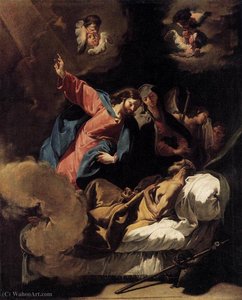
Le développement du style de Pittoni fut une exquise évolution de la lumière et de l'émotion. Il puisait une profonde inspiration dans le clair-obscur dramatique de Caravage et la profondeur texturée de Rembrandt, tout en filtrant ces influences pesantes à travers un prisme distinctement vénitien. Au fil de sa carrière, son œuvre commença à refléter les sensibilités plus légères et aériennes du Rococo, caractérisées par une palette chatoyante et une grâce élégante, presque sans poids. Sa touche devint de plus en plus fluide, capable de transmettre à la fois la majesté divine d'une apparition religieuse et l'intimité délicate d'une rencontre mythologique. Cette capacité à naviguer entre le profond et le ludique a fait de lui une figure centrale de la transition entre le drame intense du Baroque et l'élégance raffinée du Rococo.
Un Héritage de Théâtralité et de Grâce
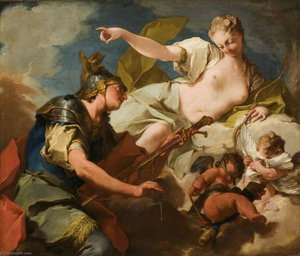
L'œuvre de Pittoni est une collection époustouflante de récits religieux et mythologiques, chacun conçu pour captiver le spectateur par des compositions dynamiques et des figures expressives. Ses peintures ressemblent souvent à des instants figés d'un grand opéra, où chaque geste est imprégné de sens et chaque ombre raconte une histoire. Qu'il dépeigne la sérénité sacrée de La Nativité ou la tension héroïque de Vénus remettant l'armure à Énée, son travail possède une théâtralité indéniable. Il possédait un talent remarquable pour utiliser la lumière non pas comme un simple outil de visibilité, mais comme un véritable protagoniste spirituel, baignant ses sujets d'une lueur éthérée qui suggère la présence du divin.
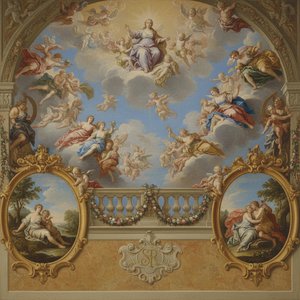
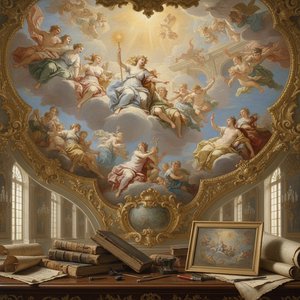
Au-delà des limites des toiles individuelles, l'influence de Pittoni s'étendait à l'architecture même du prestige vénitien. Sa maîtrise de la composition à grande échelle lui a valu de prestigieuses commandes pour les plafonds et les murs de grands palais et d'églises à travers l'Italie. Son travail au Palazzo Labia et dans diverses résidences milanaises a démontré sa capacité à transformer des espaces structurels en mondes mythologiques immersifs. Cette période de création prolifique a consolidé sa réputation de peintre de premier plan de sa génération, capable de décorer les institutions civiles et religieuses les plus importantes avec une sophistication inégalée.
Impact Institutionnel et Importance Historique
L'importance historique de Giovanni Battista Pittoni dépasse largement la beauté esthétique de ses peintures ; il fut une pierre angulaire de la communauté artistique vénitienne. Son engagement envers la formalisation de l'enseignement de l'art l'a conduit à devenir l'un des membres fondateurs de l'Académie des Beaux-Arts de Venise. Son leadership au sein de cette institution — occupant finalement le poste de second président après le légendaire Tiepolo — témoigne du respect immense qu'il commandait à ses pairs et de l'impact durable qu'il a eu sur la formation des futures générations d'artistes italiens.
Bien qu'il soit connu pour avoir reçu d'importantes commandes de l'étranger, notamment d'Allemagne, Pittoni est resté profondément lié au paysage vénitien. Il était un peintre qui a trouvé la grandeur dans les frontières de son propre pays, enrichissant la culture locale avec un style à la fois d'envergure internationale et intimement vénitien. Aujourd'hui, ses œuvres servent de fenêtres vitales sur le XVIIIe siècle, incarnant la transition de l'art européen de l'émotion intense du Baroque vers la splendeur lumineuse et décorative du Rococo. Son héritage perdure dans les musées du monde entier, où ses toiles continuent d'enchanter les spectateurs par leur élégance intemporelle et leur éclat dramatique.