A Life Etched in Parisian Nights: The World of Henri de Toulouse-Lautrec
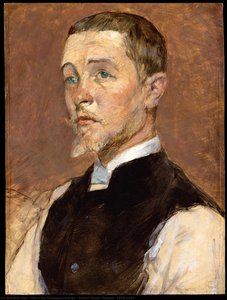
Henri Marie Raymond de Toulouse-Lautrec-Monfa, forever known simply as Toulouse-Lautrec, remains a captivating figure of the late 19th century. Born into the waning days of French aristocracy in Albi on November 24, 1864, his life was marked by both privilege and profound physical challenge. A rare genetic condition, suspected to be pycnodysostosis – though debated even today – halted the growth of his legs at a young age, leaving him with a disproportionately small lower body and an adult torso. This physical difference profoundly shaped his perspective, leading him not toward self-pity but towards an intensely observant and empathetic engagement with the marginalized figures of Parisian society. His aristocratic background afforded him access to artistic training, yet it was the vibrant, often scandalous world of Montmartre that truly ignited his creative spirit.
From Academic Training to Bohemian Rhapsody
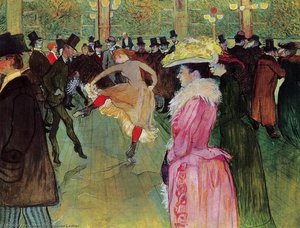
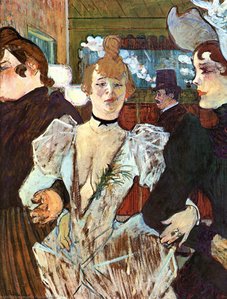
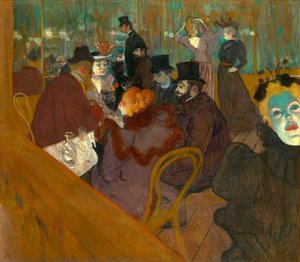
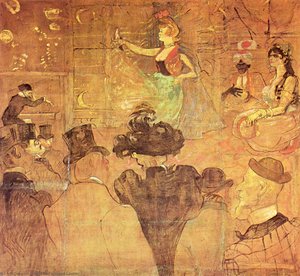
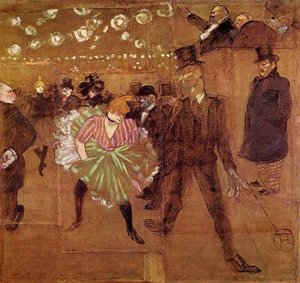
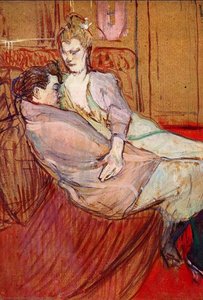
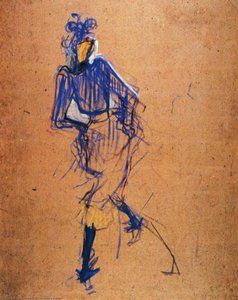
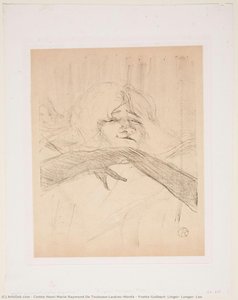
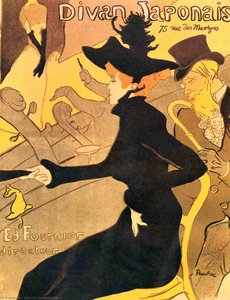
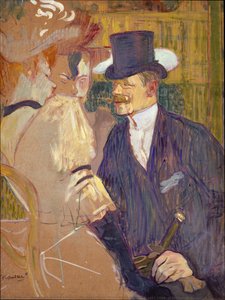
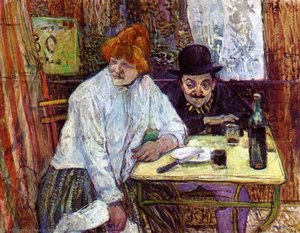
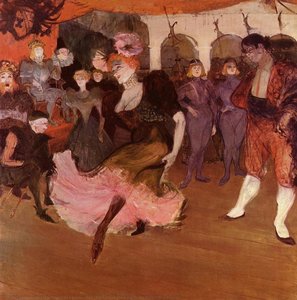
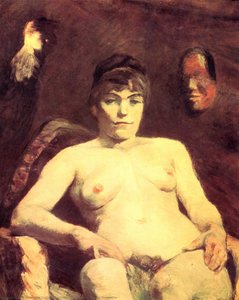
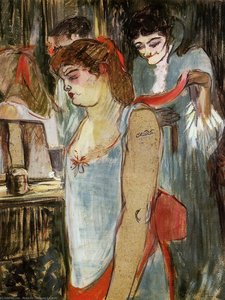
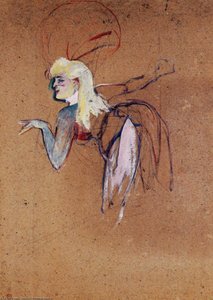
Toulouse-Lautrec’s formal artistic journey began in Paris under the tutelage of Léon Bonnat and later Fernand Cormon. While he mastered the technical skills expected of a Salon painter, it was his immersion in the bohemian heart of Montmartre that irrevocably altered his trajectory. He rejected the prevailing academic focus on historical or mythological subjects, instead turning his keen eye towards the everyday dramas unfolding around him: the dancers at the Moulin Rouge, the prostitutes of the rue des Moulins, the circus performers and café singers who populated the Parisian nightlife. This wasn’t mere observation; it was a deep dive into a world often ignored by polite society. He didn't simply paint *about* these people, he inhabited their spaces, understanding their vulnerabilities and celebrating their resilience. His early works show a clear academic foundation, but quickly evolve to embrace a more daring and unconventional style, influenced by Japanese woodblock prints – then gaining popularity in Europe – with their bold compositions and flattened perspectives. He embraced lithography with particular enthusiasm, recognizing its potential for mass reproduction and artistic expression. This allowed his images to circulate widely, further cementing his reputation as a chronicler of modern life. His posters, advertising performers like Jane Avril and Yvette Guilbert, were not merely promotional materials; they were works of art in their own right, instantly recognizable for their dynamic compositions and striking imagery.
A Master of Line and Color: Defining a Style
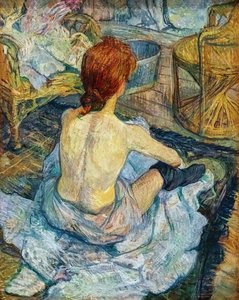
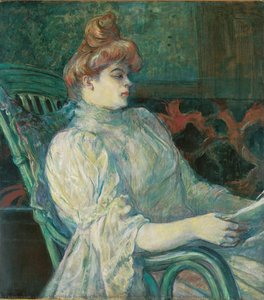
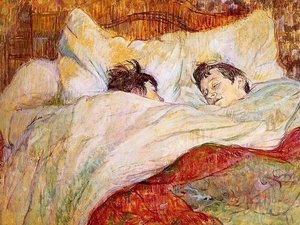
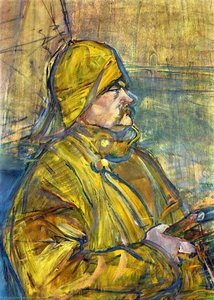
Toulouse-Lautrec’s artistic innovations are readily apparent in his distinctive style. He was a master of line, using it not just to define form but to convey movement, emotion, and character. His color palette, while often muted, possessed an extraordinary vibrancy, capturing the artificial glow of gaslight and the smoky atmosphere of Parisian cabarets. He utilized bold lines and expressive brushstrokes—a technique that departed significantly from the meticulous realism favored by Impressionists—to depict figures with remarkable immediacy and psychological insight. He skillfully blended influences from Symbolism and Japonisme, incorporating flattened perspectives and decorative motifs into his compositions. His work is characterized by a preoccupation with capturing fleeting moments of emotion and sensation, reflecting the anxieties and uncertainties of the era.
Exploring Toulouse-Lautrec’s World Further
- Discover a comprehensive collection of his artwork at /en/artists/comte-henri-marie-raymond-de-toulouse-lautrec-monfa.
- Delve into the world of Post-Impressionism and its key artists at /en/art-movements/post-impressionism.
- Learn more about his life and artistic journey through resources like Wikipedia: https://en.wikipedia.org/wiki/Henri_de_Toulouse-Lautrec
## Notable Achievements & Legacy
Despite his relatively brief career, Toulouse-Lautrec’s impact on the art world is immeasurable. He stands as a pivotal figure in the transition from Impressionism to modern art, paving the way for artists who would further explore subjective experience and psychological depth. He is considered one of the key Post-Impressionist painters alongside Cézanne, Van Gogh, Gauguin, and Seurat. His influence can be seen in everything from early 20th-century illustration to contemporary graphic design. He wasn’t interested in idealizing his subjects; he presented them with unflinching honesty, capturing their flaws and vulnerabilities alongside their beauty and spirit. His legacy continues to inspire artists today who strive for authenticity and emotional resonance—a testament to the enduring power of his vision.