Menu
CONSEIL EN ART GRATUIT

Camille Magnus Deutz

1853 - 1894

Informations clés

  • Art period: XIXe siècle
  • Top-ranked work: Manufacturers
  • Died: 1894
  • Works on APS: 2
  • Born: 1853, France
  • Nationality: France
  • Plus…
  • Also known as: Camille Magnus
  • Museums on APS:
    • Institut Fryderyk Chopin
    • Institut Fryderyk Chopin
    • Institut Fryderyk Chopin
    • Institut Fryderyk Chopin
    • Institut Fryderyk Chopin
  • Top 3 works:
    • Manufacturers
    • Portrait of Joachim Lelewel
  • Lifespan: 41 years
  • Copyright status: Public domain

Quiz d'art

Chaque question ne comporte qu'une seule bonne réponse.

Question 1:
Q1
Question 2:
Q2
Question 3:
Q3

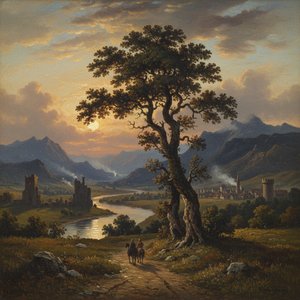
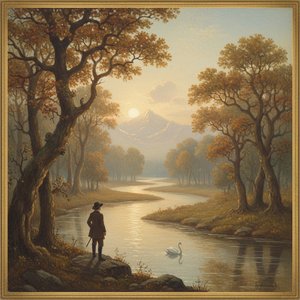
A Vision of Fontainebleau’s Embrace

Camille Magnus Deutz (1853-1894) emerged from the vibrant artistic milieu of Paris, France, a painter whose legacy resides primarily in his masterful depictions of the Fontainebleau Forest. Born into a family steeped in artistic tradition—his father was a sculptor—Deutz’s formative years were marked by exposure to influential figures like Narcisse Díaz de la Peña, who instilled in him a foundational understanding of academic painting techniques. This grounding proved invaluable as he embarked on his artistic journey. Early Training and Influences: Narcisse Díaz de la Peña’s teachings emphasized meticulous observation and idealized representation—principles that would permeate Deutz's oeuvre. Díaz de la Peña championed the importance of capturing natural light and color accurately, shaping Deutz’s approach to landscape painting and fostering a deep appreciation for artistic realism. Deutz’s Artistic Focus: Fontainebleau’s Enchantment His artistic passion centered on immortalizing the breathtaking beauty of Fontainebleau Forest, a royal estate celebrated for its ancient oaks and lush undergrowth. Deutz didn't simply aim to reproduce scenery; he sought to convey an intense emotional response—a profound feeling of serenity and reverence for nature’s grandeur. His canvases radiated warmth and luminosity, skillfully merging Impressionistic brushstrokes with classical compositional considerations. This harmonious blend ensured that his artworks transcended mere topographical accuracy, embodying a spirit of artistic contemplation. Technique and Style: Deutz favored a palette dominated by verdant greens and earthy browns, subtly accented by delicate shades of violet and gold—colors deliberately chosen to mirror the changing moods of Fontainebleau throughout the seasons. He meticulously blended pigments to achieve nuanced tonal variations, capturing the subtle interplay of light and shadow with remarkable precision. This dedication to technique reflected his unwavering commitment to artistic excellence. Notable Achievements: The Lithograph Portrait of Lelewel Perhaps Deutz’s most enduring contribution to art history is his lithograph portrait of Joachim Lelewel (1859-1923), completed in 1894. This piece exemplifies Deutz's unwavering attention to detail and his ability to translate complex psychological states onto paper—a feat accomplished through masterful linework, capturing Lelewel’s gaze with exceptional accuracy. The lithograph stands as a testament to Deutz’s technical prowess and artistic vision, embodying the stylistic conventions of its time while simultaneously conveying an aura of quiet dignity. It represents a significant achievement in portraiture, demonstrating Deutz's mastery of printmaking techniques. Legacy and Significance: Though Deutz’s life was tragically curtailed at the age of forty, his artistic legacy continues to inspire admiration. He remains a pivotal figure in French landscape painting—a painter who successfully fused Impressionistic innovation with academic tradition, resulting in artworks that resonate with timeless beauty and emotional depth. His unwavering devotion to capturing Fontainebleau's essence solidified his position as one of the foremost artists of his generation, ensuring that his vision would endure for decades to come. He is remembered not only for his stunning landscapes but also for his profound understanding of human psychology expressed through portraiture—a testament to his multifaceted artistic talent.