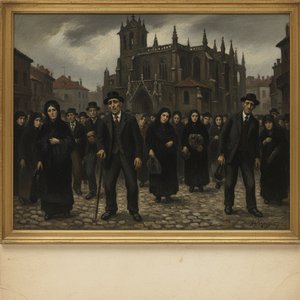
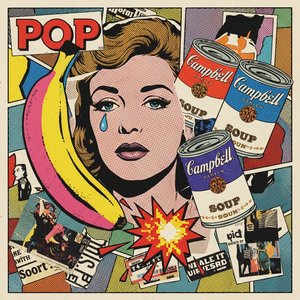
Une synthèse de l'architecture, du cinéma et de la vision artistique
Ángel Jové Jové (1940 – 2023) a émergé du paysage historique de Lleida, en Espagne, en tant que créateur profondément multifacette dont la carrière a défié les frontières d'une maîtrise disciplinaire unique. Son voyage artistique fut un dialogue continu entre structure et spontané et, embrassant à la fois la précision rigoureuse de l'architecture, le rythme temporel du cinéma et la liberté expressive du design graphique et de la peinture. Fort de ses études formelles en architecture à l'Université de Lleida, Jové Jové possédait une compréhension innée de la dynamique spatiale et de l'intégrité structurelle. Pourtant, il refusa d'être confiné par les plans de sa formation, utilisant plutôt sa connaissance de la forme pour explorer les domaines plus éphémères de l'expression visuelle, là où le poids d'une ligne ou la texture d'une surface pouvait transmettre autant de sens que n'importe quel édifice physique.
L'évolution de son style était profondément entrelacée avec les mutations culturelles de l'Espagne du milieu du siècle. Durant les années 1960 et 70, Jové Jové trouva une inspiration profonde dans l'essor de l'informalisme, un mouvement qui prônait la puissance brute du geste et la beauté de l'imperfection. Cette influence insuffla la vie à son œuvre, l'encourageant à privilégier le processus créatif et la résonance émotionnelle plutôt qu'une perfection académique rigide. En embrassant l'esprit rebelle de l'informalisme et du Pop Art, il développa un langage visuel capable d'osciller entre l'énergie viscérale et texturée de l'expression abstraite et la clarté communicative frappante requise par le design graphique. Son œuvre devint une tapisserie remarquable de sculpture, de dessin, de peinture et de photographie, chaque médium servant de lentille différente pour capturer l'essence fugitive de l'expérience humaine.
Design, typographie et art de la communication
Au-delà de la toile et de l'écran, Jové Jové a laissé une marque indélébile dans le monde de la communication visuelle grâce à ses contributions sophistiquées à l'édition. Son bagage architectural lui a procuré un avantage unique dans le domaine du design graphique, lui permettant d'aborder les couvertures de livres et les mises en page typographiques avec un sens aigu de l'équilibre et de la composition. À travers des collaborations prestigieuses avec des maisons d'édition renommées telles que Tusquets et Anagrama, il a démontré une capacité extraordinaire à élever les récits textuels par des images percutantes. Son travail de conception de couverture n'était jamais purement décoratif ; c'était une extension intellectuelle de son art, où chaque choix de police et de couleur servait à approfondir l'engagement du lecteur envers la parole écrite.
L'héritage d'Ángel Jové Jové se définit par ce refus même de compartimenter ses talents. Sa grandeur réside dans sa capacité à tisser ensemble des fils disparates — le structurel, le cinématographique et le graphique — en une identité artistique cohérente. Étudier son travail, c'est être témoin d'une quête de toute une vie pour une vision unifiée, une vision qui célèbre la complexité de la vie moderne à travers un prisme de curiosité profonde et de maîtrise technique. Ses contributions demeurent une partie vitale du patrimoine artistique espagnol, nous rappelant que la véritable créativité ne connaît pas de frontières et que l'art le plus durable existe souvent à l'intersection de multiples mondes.
Questions et réponses
Sous quels autres noms Ángel Jové Jové est-il/elle connu(e) ?
Ángel Jové Jové est également connu sous les noms suivants : Ángel Jové, Angel Jove Jove, Angel Jove.
Quel est le degré de popularité des œuvres de Ángel Jové Jové ?
La page Statistiques de Ángel Jové Jové présente des statistiques calculées à partir des œuvres de l'artiste répertoriées sur ce site.
Où puis-je voir les œuvres de Ángel Jové Jové par ordre chronologique ?
La page Chronologie des œuvres de l'artiste présente les œuvres de Ángel Jové Jové classées par date, année par année.