

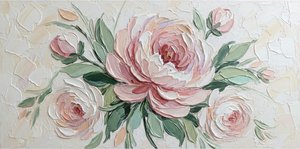
The Essence of Bas-Relief: Understanding Depth and Dimension
To step into the world of bas-relief is to enter a liminal space between the two-dimensional plane of painting and the fully realized volume of sculpture. For the dedicated art student, mastering this medium requires a profound understanding of how light interacts with surface topography. Unlike traditional painting, where depth is an illusion created through color temperature and perspective, relief art utilizes physical elevation to command the viewer's gaze. This technique, often referred to as low relief, relies on subtle shifts in height to suggest form, shadow, and movement.
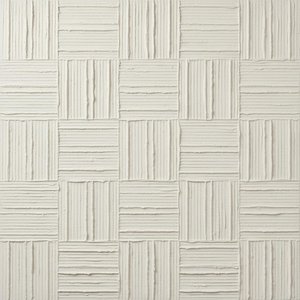
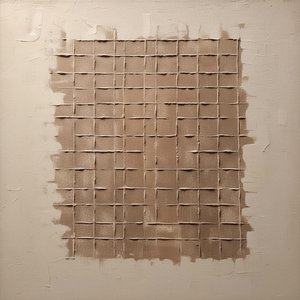
Throughout history, this interplay of light and shadow has been used to tell stories that feel both etched in time and vibrantly alive. Consider the ancient Mayan relief carvings found at Chichen Itza, where faces emerge from stone with a haunting, rhythmic presence. In more contemporary applications, such as the works of Andrea Benetti, we see how modern artists utilize plaster on canvas to create a neo-cave art aesthetic. By manipulating the thickness of the medium, an artist can evoke ancient philosophies and ethics, turning a flat surface into a window of tactile history. The true soul of bas-relief lies in this delicate balance: providing enough depth to catch the light, yet maintaining enough restraint to preserve the integrity of the composition.
Material Mastery: Selecting the Right Plaster and Binding Agents
The journey of a sculptor begins long before the first tool touches the surface; it starts with the chemistry of the medium. For an aspiring master, selecting the correct plaster is a foundational decision that dictates the longevity and detail of the work. Plaster of Paris remains a staple for its ease of use, but professional-grade sculptural plasters offer superior strength and finer grain, allowing for the microscopic precision required in intricate bas-relief. The artist must consider the setting time, as the window between malleability and crystallization is often fleeting.
However, plaster alone rarely possesses the structural resilience needed for complex, multi-layered works. To achieve true sculptural depth, one must master the art of additives. Incorporating binders such as acrylic polymers or even organic elements like cacao—as seen in some experimental contemporary pieces—can alter the texture and scent of the work, adding a sensory dimension to the visual experience. Furthermore, understanding how oxides and pigments integrate into the wet plaster is essential. When pigments are mixed directly into the medium, the color becomes an intrinsic part of the sculpture's body rather than a mere surface coating, ensuring that even as the piece ages, its chromatic soul remains unblemished.
Foundations of Form: Preparing Your Canvas and Armature
A masterpiece is only as stable as the structure beneath it. In the realm of plaster art on canvas, the preparation phase is a rigorous exercise in engineering. Because plaster is significantly heavier than oil paint, the support system must be robust enough to prevent sagging or warping over time. For large-scale works, using heavy-duty cotton canvas stretched over reinforced, braced stretcher bars is non-negotiable. This prevents the tension of the drying plaster from compromising the integrity of the frame.
For more ambitious, high-relief projects, the concept of the armature becomes central. An armature acts as the skeletal system of the sculpture, providing a framework upon which the plaster can be built up in layers. This might involve using wire mesh, wood, or even sculpted foam to create the initial topography. The student must learn to transition seamlessly from this rigid internal structure to the soft, workable exterior. A well-prepared foundation allows for the "extended wrap" technique, where the sculptural elements flow around the edges of the canvas, creating a modern, architectural look that integrates the artwork into its surrounding environment.
Techniques in Texture: From Smooth Finishes to Intricate Carving
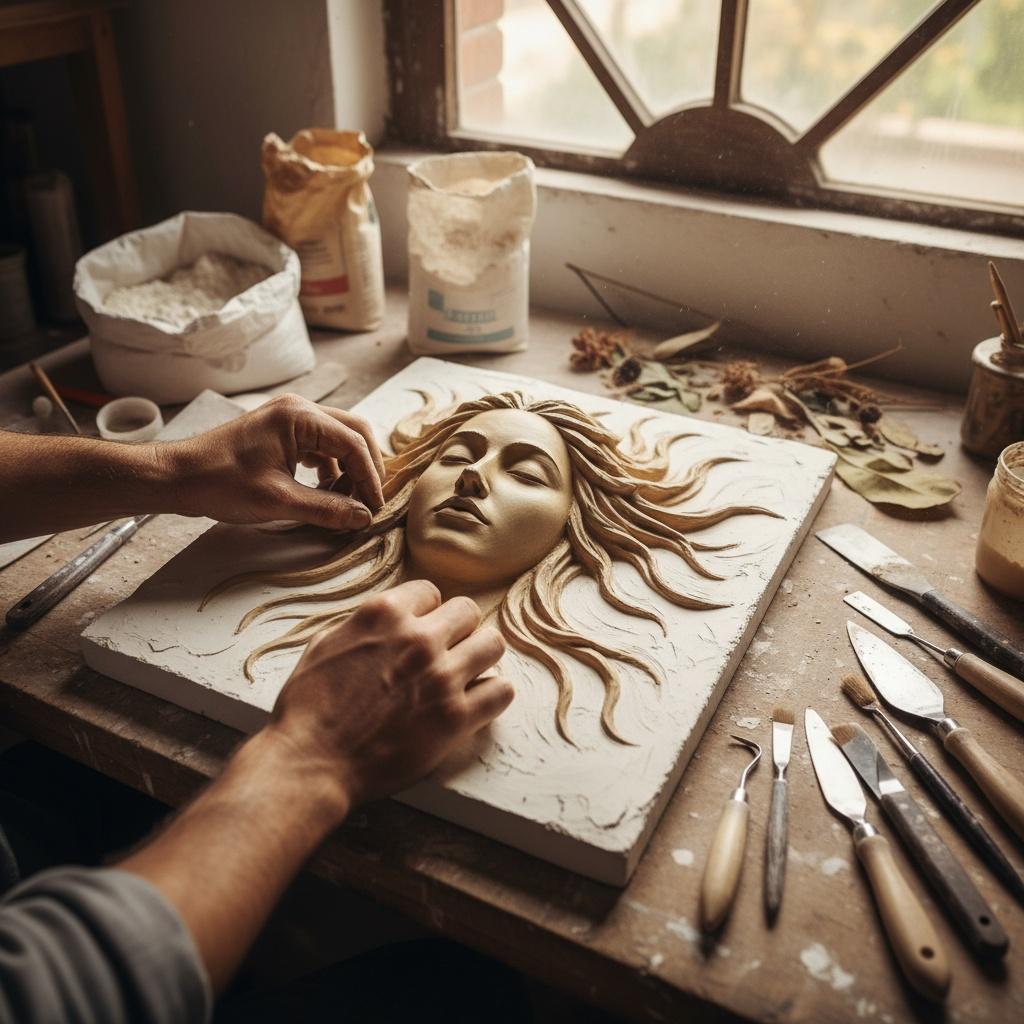
Texture is the language through which a sculptor communicates emotion. In bas-relief, texture can range from the ethereal smoothness of polished marble to the rugged, visceral grit of weathered stone. Mastering this spectrum requires a diverse toolkit, including modeling tools, spatulas, and fine carving needles. The artist begins by building up the "impasto" of the plaster, using thick applications to create high points that catch dramatic shadows.
Once the initial forms are established, the process of refinement begins. Carving into the setting plaster allows for the creation of fine lines, much like the intricate details found in classical cameos. One might choose to leave certain areas raw and textured to evoke a sense of primordial chaos, while smoothing others to a porcelain finish to suggest grace and divinity. This intentional contrast is what breathes life into the work; it guides the viewer's eye through a landscape of tactile highs and lows, ensuring that the composition remains dynamic and engaging from every angle.
Integrating Color: Applying Oxides, Oils, and Pigments to Relief
The final metamorphosis of a plaster relief occurs during the application of color. This stage is where the sculptural form meets the painterly tradition. One of the most sophisticated methods involves using oils and oxides over the dried plaster. Because the surface of the relief is uneven, oil paint behaves differently than it does on a flat canvas; it pools in the crevices to create deep, dark shadows and thins out on the raised edges to reveal the highlights. This creates a naturalistic "wash" effect that emphasizes the three-dimensional topography.
For those seeking a more contemporary or experimental approach, integrating unconventional materials like cacao or metallic oxides can produce a rich, multi-tonal surface. The goal is to use color not just for decoration, but to enhance the sculptural illusion. By carefully layering translucent glazes over the opaque plaster, an artist can simulate the appearance of aged stone, weathered bone, or even luminous skin. This marriage of sculpture and painting is what allows a bas-relief work to possess a depth that transcends the sum of its parts.
Preservation and Longevity: Protecting Your Sculptural Masterpiece
A true artist creates not just for the moment, but for the future. Because plaster is inherently porous and sensitive to environmental changes, preservation is a critical final step in the creative process. The application of a high-quality varnish, such as Damar, serves as a vital protective barrier against dust, moisture, and atmospheric pollutants. This coating also enhances the saturation of the colors and provides a consistent sheen that protects the delicate textures from physical abrasion.
For collectors and students alike, understanding the chemistry of preservation is essential for maintaining the artwork's value. Avoiding direct sunlight prevents the fading of organic pigments, while maintaining a stable humidity level prevents the plaster from cracking or delaminating from its support. When these sculptural works are treated with the respect their complexity deserves, they become more than mere objects; they become enduring legacies, capable of carrying their stories and textures through generations of admirers.
For those seeking to explore the heights of artistic excellence, OriginalUniqueArt.com offers a gateway to unparalleled mastery. From hand-painted oil reproductions that capture the very soul of the Old Masters to custom commissions that transform personal memories into textured, sculptural triumphs, our platform is dedicated to preserving human creativity. Whether you are an art student seeking inspiration or a collector looking for museum-grade excellence, OriginalUniqueArt provides the expertise and craftsmanship required to bring the profound beauty of fine art into any space.