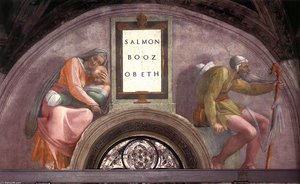
Aperçu en situation
 Partager
 Partager
 Détails
 Guide imprimable

 Télécharger
 Articles similaires
 Radiographie
 Voir le diaporama
 Statistiques
Descente de la Croix
 Acrylique sur toile
- Art mural
- Early Renaissance
 1555
1555- Renaissance
 375.0 x 280.0 cm
 Ashmolean Museum
 Afficher la suite
Reproduction à l'huile faite à la main
Huile sur toile peinte à la main, avec cadre et dimensions personnalisés, réalisée sur commande par nos artistes. ( Passer au format impression Passer au format image numérique)




P118B €10

P118H €10

P118W €10

P438Z €10

P508JH €12

P508YH €12

P805H €10

P805Z €10

P919BZ €10

P919G €10

P919XJ €10

P959ZH €10

P968JZ €12

W106C €8

W218G €10

W218JH €8

W218Y €10

W307PJ €10

W316G €10

W316PJ €8

W316Y €10

W398PJ €8

W4111J €10

W500HY €15

W500JH €15

W692G €12

W849H €8

W940BG €15

W953PJ €8




Choisissez parmi nos formats prédéfinis qui respectent les proportions originales de l’œuvre.

Saisissez la largeur et la hauteur souhaitées, pour s'adapter à votre cadre ou à votre mur. Cette œuvre est peinte à la main ; ainsi, pour un format de forme différente, l'artiste peut peindre un peu plus autour du tableau ou réduire légèrement les bords — c'est vous qui choisissez. Nous vous envoyons une maquette numérique pour approbation avant que la peinture ne commence. L'image présentée sur cette page ne reflète pas le résultat réel — seule la maquette le fait.
Après la commande, l’équipe OriginalUniqueArt.com contactera le client par e-mail pour recueillir ses instructions et lui fournira une maquette d’aperçu
Livraison dans le monde entier () en 3 à 4 semaines au lieu des 5 semaines habituelles. (22 octobre). Aucun compromis sur la qualité.

Livraison express gratuite dans le monde entier

Toile de lin de haute qualité

Assurance transport complète

Garantie de remboursement des droits de douane

Garantie de fidélité des couleurs

Garantie de retour de 100 jours (uniquement en cas de défaut)

Garantie de remboursement à 100%

Tarifs dégressifs sur quantité
 L'option verre n'est disponible que pour les dimensions inférieures à 110 cm.

Descente de la Croix
Technique de reproduction
Format de la reproduction
-


Prix total final
€ 263
Michelangelo Buonarroti: Descent from the Cross
Michelangelo Buonarroti, one of the most revered figures in Renaissance art, bequeathed to posterity an indelible image of human suffering and divine grace—the “Descent from the Cross.” Painted in 1555 during his later years, this monumental chalk drawing transcends mere representation; it embodies Michelangelo’s profound understanding of emotion and his mastery of sculptural principles translated into a two-dimensional medium. Housed within the Ashmolean Museum in Oxford, United Kingdom, it stands as a testament to his unparalleled artistic vision and continues to inspire awe centuries after its creation.Composition and Symbolism: A Dialogue Between Grief and Sacrifice
The composition of “Descent from the Cross” is deceptively simple yet powerfully resonant. Michelangelo meticulously arranges figures around Christ’s lifeless body—a deliberate reference to classical sculpture—creating a dynamic tableau that speaks volumes about Christian theology. At the center lies Jesus, slumped upon the ground with outstretched arms, symbolizing his ultimate sacrifice for humanity. Surrounding him are Mary Magdalene, Nicodemus, Joseph of Arimathea, and John the Evangelist, each rendered with exquisite detail and imbued with palpable sorrow. The positioning of Christ’s body—a calculated homage to the crossbow—was revolutionary for its time, reflecting Michelangelo's unwavering fascination with anatomical accuracy and his commitment to portraying human form realistically. Beyond mere depiction, the artwork conveys a complex narrative of compassion, repentance, and divine mercy—themes central to Christian iconography and deeply rooted in humanist thought. The artist’s careful consideration of spatial relationships reinforces this emotional impact, drawing viewers into the scene's solemn atmosphere.Artistic Technique: Chalk Drawing – Fragility and Depth
Michelangelo’s choice of chalk as his medium contributes significantly to the artwork’s expressive character. Unlike fresco painting—which involves applying pigment onto wet plaster—chalk drawing allows for unparalleled nuance in tonal variations, capturing subtle gradations of light and shadow with remarkable precision. The delicate lines etched into the surface convey a sense of vulnerability, mirroring the fragility of human existence and aligning perfectly with the solemn mood of the scene. Michelangelo’s meticulous attention to detail is evident throughout the piece—from the textured drapery to the expressive faces of the mourners—demonstrating his mastery of sculptural principles adapted to a two-dimensional format. The artist skillfully employs hatching and crosshatching techniques to build up volume and create depth, enhancing the emotional intensity of the composition. This technique underscores Michelangelo’s dedication to portraying human emotion truthfully and powerfully.Historical Context: Mannerism and Spiritual Reflection
“Descent from the Cross” emerged during the Mannerist period—a stylistic movement characterized by stylized forms, exaggerated poses, and dramatic contrasts of light and shadow—marking a departure from the harmonious ideals of High Renaissance art. Michelangelo’s artistic trajectory was profoundly influenced by this era, reflecting a broader shift toward introspective contemplation and emotional expression. His friendship with Vittoria Colonna, a poetess who shared his fervent faith, fueled his creative endeavors, resulting in artworks imbued with spiritual depth and psychological complexity. The Vatican Commission tasked Michelangelo with decorating the Sistine Chapel ceiling—a monumental undertaking that solidified his reputation as one of the greatest artists of all time—demanding an unprecedented level of ambition and technical skill. This commission served as a catalyst for artistic innovation, pushing Michelangelo to explore new frontiers in painting and sculpture while simultaneously reaffirming his commitment to humanist values.Relevance Today: An Enduring Symbol of Sacrifice and Compassion
“Descent from the Cross” continues to resonate powerfully with audiences worldwide, serving as an enduring symbol of Christian faith and human compassion. Its masterful composition—characterized by balanced symmetry and expressive gestures—remains captivating for its timeless beauty and emotional depth. Michelangelo’s artistic legacy extends far beyond his own era, inspiring artists across generations to grapple with profound questions about mortality, suffering, and redemption. To experience the grandeur and subtlety of this masterpiece firsthand, consider acquiring a high-quality reproduction from OriginalUniqueArt: Michelangelo Buonarroti: Descent from the Cross. For further insight into Michelangelo’s life and artistic achievements, consult The Ashmolean Museum's comprehensive overview: The Ashmolean Museum of Art and Archaeology: A Cultural Treasure in Oxford. Michelangelo’s artistic journey stands as a beacon of creativity and devotion—a testament to the enduring power of art to illuminate the human condition.Questions et réponses
Comment puis-je télécharger l'image de «Descente de la Croix» de Michel-Ange Buonarroti ?
Un téléchargement est disponible pour « Descente de la Croix » : la page Télécharger de l'œuvre propose un téléchargement d'image numérique haute résolution.
Quelle palette de couleurs utilise "Descente de la Croix" ?
«Descente de la Croix» de Michel-Ange Buonarroti utilise une palette de couleurs Nuances neutres. Cette palette résume le caractère chromatique global de l'œuvre.
Quelle est la recommandation d'impression pour « Descente de la Croix » : quel format et quelle orientation ?
Format Grand format, orientation Format portrait : voilà la configuration d'impression suggérée pour «Descente de la Croix» de Michel-Ange Buonarroti.
Biographie de l'artiste
Michel-Ange Buonarroti : Un Titan de la Renaissance
Jeunesse et Formation (1475-1496)
- Michel-Ange di Lodovico Buonarroti Simoni est né le 6 mars 1475 à Caprese Michelangelo, en Toscane.
- Initialement, son père résistait à une carrière artistique, mais a cédé à l'exceptionnelle talent de son fils pour le dessin.
- À l’âge de 13 ans, il est devenu apprenti de Domenico Ghirlandaio, apprenant les techniques de fresque et de dessin.
- Il s'est rapidement tourné vers la sculpture, étudiant les œuvres classiques dans les jardins des Médicis – une influence décisive.
Période Précoce : Établissement du Maîtrise (1490-1505)
- Autour de 1496, il reçoit sa première commande majeure : la sculpture de la Piéta, achevée en 1499.
- La Piéta, hébergée dans la basilique Saint-Pierre, a fait preuve de son maîtrise du travail de la pierre et de sa profondeur émotionnelle.
- Son prochain chef-d'œuvre emblématique est la statue colossale de David (1501-1504), symbolisant les idéaux républicains florentins.
- Le David, plus de 17 pieds de haut, a démontré sa compréhension de l'anatomie et sa capacité à insuffler la vie aux pierres.
La Renaissance Italienne : Fresques de la Chapelle Sixtine (1505-1520)
- Le pape Jules II a commandé à Michel-Ange de peindre le plafond de la chapelle Sixtine en 1508.
- Sur une période de quatre ans, il a peint plus de 300 figures représentant des scènes de la Genèse, y compris La Création d'Adam.
- Ce cycle de fresques monumental est une réalisation marquante dans l’art occidental, démontrant ses compétences en composition et son pouvoir narratif.
- Il a également commencé à travailler sur la tombe du pape Jules II – un projet qui durera des décennies mais restera inachevé tel qu'initialement envisagé.
Années Ultérieures : Architecture et le Jugement Dernier (1520-1564)
- En 1520, Michel-Ange devient architecte de la basilique Saint-Pierre à Rome, modifiant considérablement le projet de Bramante.
- Entre 1536 et 1541, il a peint Le Jugement Dernier sur le mur d'autel de la chapelle Sixtine.
- Ce vaste cycle de fresques a dépeint le Second Coming du Christ avec une composition dramatique et une intensité émotionnelle, reflétant un passage vers le Manichéisme.
Influences et Développement Artistique
- Antiquité Classique : L'étude des sculptures grecques et romaines a profondément influencé sa compréhension de l'anatomie et de la proportion.
- Humanisme Renaissance : L'accent mis sur le potentiel humain est évident dans sa célébration de la forme humaine.
- Tradition Florentine : Il s’est appuyé sur la lignée d'artistes tels que Donatello et Masaccio.
- Son style a évolué de l'idéalisme classique à un Manichéisme plus dynamique et expressif.
Signification Historique et Héritage
- Michel-Ange est considéré comme l’un des plus grands artistes de tous les temps, incarnant le “homme de la Renaissance”.
- Ses sculptures, ses peintures et son architecture ont inspiré des générations et continuent de captiver les publics du monde entier.
- Il a profondément influencé les mouvements artistiques de la Renaissance italienne et du Manichéisme.
- Son exactitude anatomique, ses compositions dramatiques et sa profondeur émotionnelle ont établi de nouvelles normes d'excellence artistique.
Années Finales
- Michel-Ange est décédé le 18 février 1564 à Rome, laissant derrière lui un ouvrage inestimable.
- Son héritage continue de façonner notre compréhension de la beauté, du pouvoir et du potentiel humain.

Michel-Ange Buonarroti
1475 - 1564 , Italie
En bref
- Artistes Influents:
- Donatello
- Masaccio
- Antiquité Classique
- Date De Décès: 18 février 1564
- Date De Naissance: 6 mars 1475
- Influences Artistiques:
- Manierisme
- Haute Renaissance
- Lieu De Naissance: Caprese Michelangelo, Italie
- Mouvement Artistique: Haute Renaissance, Manierisme
- Nationalité: Italienne
- Nom Complet: Michel-Ange Buonarroti
- Oeuvres Notables:
- La Pietà
- David
- Plafond de la Chapelle Sixtine
- Le Jugement Dernier
Articles connexes
Les 25 Chefs-d'œuvre du British Museum : Art, Histoire & Décor d'Exception
Plongez au cœur du British Museum avec nos 25 œuvres incontournables. Découvrez l'histoire fascinante des plus grands artistes, de l'art égyptien aux chefs-d'œuvre classiques. Trouvez l'inspiration déco et sublimez votre intérieur avec OriginalUniqueArt.com ! Explorez la collection.

Henri Edmond Cross: A Pioneer of Neo-Impressionism & the Divisionist Aesthetic
Explore the life & art of Henri Edmond Cross, a pivotal Neo-Impressionist painter. Discover his innovative divisionist technique, political affiliations, and lasting influence on modern art movements like Fauvism. Learn about key works & legacy.
Uffizi : Les 25 Chefs-d'Œuvre Incontournables pour Embellir Votre Intérieur
Plongez au cœur de la Galerie des Offices à Florence ! Découvrez les 25 chefs-d'œuvre incontournables de Botticelli, Léonard de Vinci et autres maîtres italiens. Inspirez votre décoration avec l'art Renaissance : reproductions de qualité muséale sur OriginalUniqueArt.com
Michel-Ange : Genèse d'un Titan de la Renaissance – Vie, Œuvres et Héritage Impérissable
Explorez la vie et l'œuvre de Michel-Ange, titan de la Renaissance italienne. Découvrez ses sculptures iconiques, le plafond de la Chapelle Sixtine et son héritage artistique durable. Analyse approfondie et passionnée.
Michelangelo : Les 25 Chefs-d'œuvre Incontournables pour Embellir Votre Intérieur
Plongez dans l'univers de Michelangelo : découvrez les 25 œuvres incontournables du maître italien. De David à la Chapelle Sixtine, explorez son génie et trouvez l'inspiration déco Renaissance sur OriginalUniqueArt.com.