


1


Mis à jour en octobre 2026 · classé selon notre score de popularité (recherches, visites et commandes pour chaque œuvre) · 35 œuvres de Jacob Huysmans dans notre catalogue
En bref
Parmi toutes les œuvres originales laissées par Jacob Huysmans, la plus célèbre est Cupid preparing his Bow (after Van Dyck) (1673), conservée dans la collection du Kingston Lacy, à Wimborne Minster. Juste après, on retrouve Catherine of Braganza (1638-1705) (1667) et Catherine of Braganza (1638-1705) (1663). Notre catalogue comprend 35 œuvres de Jacob Huysmans ; la galerie a conservé les 34 que le monde admire le plus, chacune présentée avec sa date, son musée et son histoire.


 Portrait of a Lady, as Diana1674
12
 Colonel Edward Phelips II (1613–1680)1663 · Montacute House
13
 Elizabeth Cooper (1604–1669)1670
14
 Izaak Walton1672 · National Portrait Gallery
15
 Dr Peter Barwick (1619–1705), His Wife, Anne and Daughter, Mary (1661 1662–1721 1723), Later Lady Dutton1670
16
 Sir John Chichley (c.1640–1691)1664 · Musée National Maritime
17
 Sir Samuel Barnardiston (1620–1707)1679
18
 Lady Elizabeth Pope (1660–1719), Lady Lee, Later Countess of Lindsey, as Diana1696 · National Trust
19
 Catherine of Braganza (1638–1705), Queen Consort of King Charles IICollection d’art gouvernementale
20
 Frances Stewart, later Duchess of Richmond (1647-1702)Royal Collection
21
 Lady Jane Boyle (d.1780)Oxburgh Hall
22
 Portrait of a Countess wearing robes for the Coronation of James II
23
 Anne Morice (d.1713 1714), Lady PoleNational Trust
24
 Sir Richard Mason (1619–1685), MPNational Trust
25
 Portrait of John Wilmot, 2nd Earl of Rochester
26
 Portrait of an Unknown BoyDunster Castle
27
 Anne Margaret Long (c.1637–1711), Lady MasonNational Trust
28
 Portrait of an Unknown Lady in RedPolesden Lacey
29
 Elizabeth Cornwallis (d.1708), Mrs Edward Allen, as Diana the HuntressCanons Ashby House
30
 Elizabeth Cromwell, Mrs John ClaypoleChequers Court
31
 Portrait of John Wilmot, 2nd Earl of Rochester (1647 1680)
32
 Richard Lower (1631–1691), Anatomist
33
 Mary Langham (1653 1654–1690 1691), Countess of WarringtonNational Trust
34Sir William Morice (1602–1676), PC, MPNational Trust
Les quatre thèmes qui reviennent le plus souvent dans ces œuvres originales, chacun illustré par son plus bel exemple.
Les 8 musées qui détiennent la plupart des peintures de cette page.
| Musées | Ville | Œuvres de Jacob Huysmans | Peintures de cette liste |
|---|---|---|---|
 Royal Collection |
Londres | 3 | Catherine of Braganza (1638-1705), Catherine of Braganza (1638-1705), Frances Stewart, later Duchess of Richmond (1647-1702) |
 National Portrait Gallery |
Londres | 2 | John Maitland, Duke of Lauderdale, Izaak Walton |
 National Trust |
Antony | 2 | Anne Morice (d.1713 1714), Lady Pole, Sir William Morice (1602–1676), PC, MP |
 National Trust |
Grantham | 2 | Sir Richard Mason (1619–1685), MP, Anne Margaret Long (c.1637–1711), Lady Mason |
 Kingston Lacy |
Wimborne Minster | 1 | Cupid preparing his Bow (after Van Dyck) |
 Kenwood House |
Londres | 1 | Portrait of Catharine of Braganza (1638-1705), Queen of England |
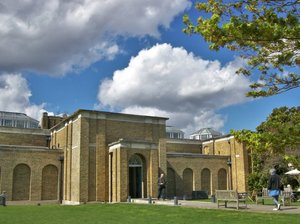 Dulwich Picture Gallery |
Londres | 1 | Portrait of a Lady |
 Lyme Park |
1 | Possibly Elizabeth Chicheley, Mrs Legh |
Choisissez une décennie pour découvrir l'œuvre originale qui la définit.

Cupid preparing his Bow (after Van Dyck) (1673), Kingston Lacy, Wimborne Minster. Suivus de Catherine of Braganza (1638-1705) (1667) et Catherine of Braganza (1638-1705) (1663).
40 ans : Cupid preparing his Bow (after Van Dyck) date de 1673, et Jacob Huysmans est né(e) en 1633.
Cupid preparing his Bow (after Van Dyck), Catherine of Braganza (1638-1705), Catherine of Braganza (1638-1705), Portrait of Catharine of Braganza (1638-1705), Queen of England, John Maitland, Duke of Lauderdale, King Charles II (1630-1685), Queen Catherine (of Braganza) (1638-1705) (after Sir Peter Lely), Portrait of a Lady, Dr Peter Barwick (1619–1705) et Possibly Elizabeth Chicheley, Mrs Legh. Le classement ci-dessus indique l'année et le musée de chacun.
Notre catalogue comprend 35 œuvres de Jacob Huysmans, datées de 1660 à 1696.
Principalement dans Royal Collection (Londres), National Portrait Gallery (Londres) et National Trust (Antony). Le tableau des musées ci-dessus les répertorie tous.
En 1660s : 9 des 34 œuvres de cette page ont été créées à cette époque, dont Catherine of Braganza (1638-1705).
Sur cette page, la plus ancienne date de Portrait of a Lady (1660) et la plus récente de Lady Elizabeth Pope (1660–1719), Lady Lee, Later Countess of Lindsey, as Diana (1696).
Opulence (3), Portraiture (2) et Formal (2), à travers les 34 œuvres de cette page.
Baroque, à en juger par les originaux de cette page.
Catherine of Braganza (1638-1705), Catherine of Braganza (1638-1705) et Frances Stewart, later Duchess of Richmond (1647-1702) : le Royal Collection, Londres détient 3 des œuvres de cette page.
