

Sisällysluettelo
Keskeiset tiedot
- Alternate names:
- Verona Minor Hierusalem
- Chiesa di San Giorgio in Braida
- Works on APS: 1
- Location: Verona, Italia
- Featured artists: Paolo Veronese
Taidevisat
Jokaisessa kysymyksessä on vain yksi oikea vastaus.
Kysymys 1:
Mikä on San Giorgio in Braidan pääpaino?
Kysymys 2:
Kuka tunnetaan arkkitehdiksi San Giorgio in Braidan rakennuksen suunnittelijana?
Kysymys 3:
Mikä tuo San Giorgio in Braidalle ainutlaatuinen ominaisuus lisää vierailijan kokemusta?
Kysymys 4:
Mihin taidekoulukuntaan San Giorgio in Braida kuuluu?
Kysymys 5:
San Giorgio in Braidassa näyttelee keskeistä roolia Veronese ja Tintoretto maalarien työ.
Näyttelytaiteilijat

Paolo Veronese
Paolo Veronese (1528-1588): Venetsialainen renessanssimaalari, tunnettu eloisista väreistään, teatraalisista juhlatilaisuuksista ja ylellisistä maisemista. Tutustu hänen mestariteoksiinsa!

Liittyvät artikkelit
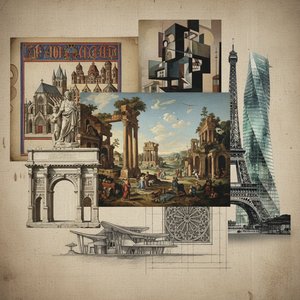
The Enduring Legacy of Architecture in Art: A Historical Survey of Representation & Meaning
Explore the rich history of architecture in art, from Renaissance theory to 19th-century reconstructions. Discover key artists & movements shaping visual representation – a guide for discerning collectors.
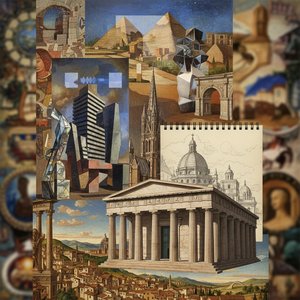
The Enduring Legacy of Architecture in Art: A Historical Survey of Representation & Aesthetic Influence
Explore the rich history of architecture's influence on art! Discover Renaissance perspective techniques, symbolism, & iconic masterpieces. Enhance your understanding with our expert analysis.
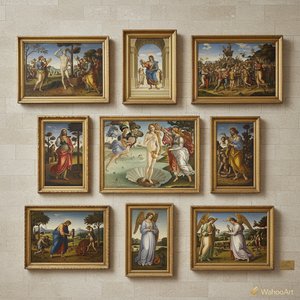
Varhaisen renessanssin 10 mestariteosta: Taidetta kotiin OriginalUniqueArtilta
Tutustu varhaisen renessanssin 10 ikonisinta mestariteosta! Leonardo da Vinci, Michelangelo ja Botticelli – taideteokset, jotka muuttivat maailmaa. Löydä inspiraatiota kotiisi OriginalUniqueArtilta. Tutki kokoelma verkossa!


Tilaa uutiskirjeemme
Pysy ajan tasalla uusimmista taideuutisista, eksklusiivisista tarjouksista ja sisustusideoista.
Hanki 3 ilmaista taidesuositusta
Kerro meille projektistasi, niin taideasiantuntijamme tarjoavat sinulle kolme henkilökohtaista taidesuositusta.
Not Sure Where to Start?
Let Us Curate 3 Options Just for You - Free!