



Valon ja varjon kuninkaallinen pyhättö
Potsdamin Sanssoucin puiston vehreiden ja kumpuilevien maisemien syleilyssä kuvagalleria seisoo syvänä todistuksena Preussin Fredrik II:n valistuneesta hengestä. Tämä historiallinen Bildergalerie on paljon enemmän kuin pelkkä kankaiden ja pigmenttien säilytyspaikka; se on upottava matka kahdeksannen vuosisadan sydämeen, jossa arkkitehtuurin, kuninkaallisten pyrkimysten ja taiteellisen mestaruuden rajat hämärtyvät. Euroopan vanhimpana hallitsijan erikseen tilaamana museona se tarjoaa harvinaisen ja intiimin näkymän Suuren Fredrikin vaativaan silmään. Tähän tilaan astuminen on siirtymistä huolellisesti kuratoituun maailmaan, joka on suunniteltu ei ainoastaan katselua, vaan emotionaalista kohtaamista ylevän kanssa varten.
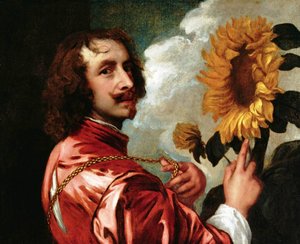
Itse kokoelma hengittää barokin ja renessanssin aikakausien dramaattista elinvoimaa. Gallerian sielu ilmenee kenties voimakkaimmin Caravaggion Pyhän Tuomasin epäilyssä , teoksessa, joka hallitsee huonetta mestarillisella chiaroscuro-tekniikan käytöllään. Syvän varjon ja läpitunkevan valon henkeäsalpaavassa vuoropuviivassa katsoja vedetään epäilyn ja ilmoituksen raakaan, aistittavaan todellisuuteen. Tämä jännite kaikuu myös Rubensin työpajan teoksissa, joissa Neljä evankelistaa ja Pyhä Hieronymus sykkivät dynaamista energiaa ja rikasta, hehkuvaa väripalettia, joka tuntuu herättävän itse seinät eloon. Näiden rinnalla Anthony van Dyckin Helluntai tarjoaa hienostuneen vastapainon, tarjoten ylellisen esityksen sommittelun sulavuudesta ja lennokkaasta siveltimenvedosta, joka juhlistaa jumalallisuutta aristokraattisen eleganssin linssin läpi.
Arkkitehtoninen harmonia ja kestävyyden perintö
Gallerian arkkitehtuuri on erottamaton päähenkilö tässä taiteellisessa kertomuksessa. Alun perin Johann Gottfried Büringin visioimana entisen kasvihuoneen muodonmuutoksena, rakennus suunniteltiin sopimaan täydellisesti ympäröivään UNESCOn maailmanperintökohdealueeseen. Sen silmiinpistävä keltainen julkisivu toimii kuninkaallisen vallan majakkana, kun taas sisätilat kutsuvat taivaalliseen nousuun keskuskupolinsa ja kullatun koristelunsa avulla. Lattia, joka on valkoisen ja keltaisen italialaisen marmorin rytminen kuviointi, ohjaa vierailijaa tilassa, jossa jokainen elementti – puutarhasivustaa reunustavista marmorisista allegorisista veistoksista kaareviin, koristeellisiin kattoihin – on sovitettu parantamaan katselukokemusta. Se on barokkisuunnittelun voitto, jossa fyysinen ympäristö toimii kehyksenä sen sisältämän taiteen hengelliselle ja älylliselle syvyydelle.
Silti kuvagallerian historia on myös syvän kestävyyden tarina. Kokoelma on selvinnyt konfliktien myrskyistä, ei viimeksi toisen maailmansodan tuhoissa, jolloin sen aarteet evakuoitiin Rheinsbergin linnan turvaan. Se, että vain murto-osa näistä teoksista palasi takaisin vuonna 1946, toimii koskettavana muistutuksena yhteisen kulttuuriperintömme hauraudesta. Omistettuun restaurointiin ja Berliinistä saavutettujen mestariteosten vaivalloisen uudelle integroimiseen kautta galleria on syntynyt uudelleen, palauttaen asemansa preussilaisen kulttuurin majakkana. Nykyaikaiselle taiteen ystävälle, keräilijälle tai suunnittelijalle Sanssoucin kuvagalleria tarjoaa jotain todella ainutlaatuista: mahdollisuuden asua elävässä historiassa, jossa menneisyyden suuruus on säilytetty kunnioituksella, joka jatkaa ihmettelyn ja esteettisen pohdiskelun inspiroimista.


