Sisällysluettelo
Tärkeimmät tiedot
- Location: Chesterfield, Iso Britannia
- Works on APS: 25
- Alternate names: National Trust
- Featured artists:
- Michael Dahl
- Sir Anthony van Dyck
- William Aikman
- Daniel I Mijtens
- rowland lockey
Näyttelytaiteilijat

Michael Dahl
"FinnishMetaDescription": "Michael Dahl (1659-1743) oli ruotsalainen barokki-muotokuvaaja, joka vakiinnutti asemansa Englannissa. Tunnettu hienostuneista muotokuvista aristokratista eliittiin ja hänen vaikutuksestaan 1800-luvun taiteeseen."

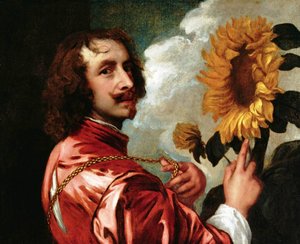
Antony van Dyck
Sir Anthony van Dyck (1599-1641): flaamilaista barokki taiteilijaa, tunnettu hienostuneista hovimaisuuksista ja Charles I:n muotokuvista. Vaikutti merkittävästi englantilaiseen taiteeseen, tunnettu uskonnollisista teoksista & innovatiivisesta tyylistä.

William Aikman
Explore the captivating portraits of William Aikman, a Scottish artist known for his serene style & patronage by notable figures like Ramsay & Thomson.
Taidevisat
Jokaisessa kysymyksessä on vain yksi oikea vastaus.
Kysymys 1:
Mikä museo sijaitsee Derbyshiren kreivikunnassa Englannissa?
Kysymys 2:
Mitä National Trust pyrkii suojelemaan?
Kysymys 3:
Kuinka paljon National Trust:n omistuksessa on maa-alaa?
Kysymys 4:
Hardwick Hallin erityinen tunnusmerkki on:
Kysymys 5:
Stainsby Millin toiminta keskeltä 1900-lukua oli:
Aiheeseen liittyvät artikkelit

25 Must-See Masterpieces in London's Royal Collection
Explore 25 iconic treasures from London's Royal Collection. Discover timeless masterpieces on OriginalUniqueArt.com.

The British Landscape: Tracing the Evolution from Romanticism to Impressionist Light
Explore the evolution of British landscape art from Romanticism to Impressionism. Trace this history with our expert guide.

Mastering the English Landscape: The Top 25 John Constable Artworks
Immerse yourself in the soulful landscapes of John Constable. Explore our curated list of 25 iconic masterpieces, from atmospheric skies to the beauty of Dedham Vale. Find inspiration for museum-quality art reproductions and decor. Discover all masterpieces on OriginalUniqueArt.com.
National Trust -museon teosluettelo
Ei taideteoksia löytynyt.