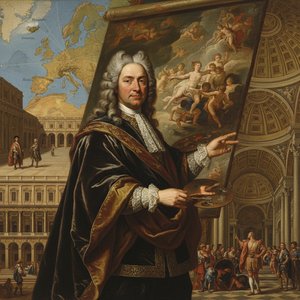
A Royal Sanctuary of Romanian Splendor
Nestled within the architectural grandeur of Bucharest’s Revolution Square, the National Museum of Art of Romania stands as a majestic sentinel of cultural memory. Housed in the former Royal Palace, a structure that once served as the official residence of Romanian monarchs, the museum is far more than a mere repository for artifacts; it is a living chronicle of a nation's soul. As one approaches the palace, the weight of history becomes palpable, felt in the very stones of a building that has witnessed the transformation of Romania from a principality to a modern state. The museum’s journey through time is an immersive odyssey, where the echoes of royal elegance meet the profound resilience of the Romanian spirit, offering a sanctuary for those who seek beauty in both the monumental and the intimate.
The architectural legacy of the palace itself serves as the first masterpiece encountered by any visitor. Originally conceived as the Golescu Mansion in the early 19th century, the edifice underwent a dramatic metamorphosis under King Carol I, expanding its footprint to reflect the rising prestige of the Romanian monarchy. Rebuilt between 1936 and 1937 to commemorate the nation's centenary, the palace embodies a seamless blend of tradition and neoclassical ambition. Even after enduring the tumultuous scars of the 1989 Revolution, the museum’s meticulous restoration has breathed new life into its halls, creating a harmonious dialogue between the splendor of the past and the vitality of the present. For the interior designer or the lover of classical aesthetics, the palace provides an unparalleled backdrop where light and space dance through corridors designed for royalty.
A Tapestry of Medieval Devotion and Modern Vision
To wander through the museum’s galleries is to traverse a vast landscape of human creativity, ranging from the sacred whispers of the Middle Ages to the bold provocations of the contemporary era. The Romanian Medieval Art Gallery offers a profound encounter with the spiritual foundations of the region, showcasing over nine hundred icons, intricate manuscripts, and delicate embroiderities that reflect the deep-seated Orthodox faith. These works, often characterized by their symbolic richness and gold-leafed luminosity, serve as windows into a world where art was an act of prayer. This sacred collection is beautifully contrasted by the Romanian Modern Art Gallery , which traces the evolution of national identity through the mid-nineteenth to the late twentieth century. Here, the canvases of masters like Nicolae Grigorescu capture the ethereal light of Romanian landscapes, while the monumental sculptures of Constantin Brâncuși—a titan of modernism—embody a primal connection to nature and form.
Beyond the borders of Romania, the museum’s European Art Gallery reveals the sophisticated tastes of the Romanian royal family, whose personal collection brought the finest echoes of European brilliance to Bucharest. Collectors and art enthusiasts will find themselves captivated by the dramatic chiaroscuro of Rembrandt and the spiritual intensity of El Greco. The presence of works by Monet and Picasso within these walls speaks to a cosmopolitan heritage, where international movements were embraced and integrated into the local cultural fabric. This collection is not merely a display of prestige but a curated conversation between different eras and geographies, making the museum a singular destination for anyone seeking to understand the interconnectedness of global art history.
A Living Dialogue of Light and Shadow
What truly distinguishes the National Museum of Art of Romania is its commitment to the ephemeral nature of discovery through its captivating temporary exhibitions. The museum does not rest upon its permanent treasures but constantly seeks fresh perspectives, exploring themes that range from the influence of Surrealism on local artists to the intricate beauty of Anatolian traditions. These curated displays act as intellectual catalysts, stimulating dialogue and inviting visitors to reconsider the boundaries of artistic expression. Whether it is a retrospective on French painting or an exploration of light and shadow, the museum ensures that its narrative remains dynamic and ever-evolving.
For the discerning traveler, the scholar, or the collector, the museum offers a rare opportunity to witness the intersection of history, politics, and pure aesthetic emotion. It is a place where the grandeur of a royal palace meets the intimate touch of a painter’s brush, creating an atmosphere that is both awe-inspiring and deeply personal. In every corner of this institution, one finds a testament to the enduring power of art to preserve identity, celebrate beauty, and illuminate the human condition.