

A Singular Dialogue Between Industry and Art
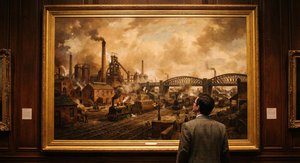
In the heart of Imola, where the echoes of historical trade routes meet the rhythmic pulse of modern innovation, lies a sanctuary that defies conventional categorization. The Museo Civito d’Arte Industriale is not merely a repository for relics; it is a profound meditation on the symbiotic relationship between human ingenuity and aesthetic grace. Here, the boundary between the workshop and the atelier dissolves, offering a space where the cold precision of industrial progress meets the warm, emotive power of fine art. For the discerning collector or the interior designer seeking inspiration in the intersection of form and function, this museum presents a masterclass in how technological evolution can breathe life into creative expression.The museum’s essence is found in its ability to celebrate the harmonious fusion of the manufactured and the handcrafted, presenting a narrative that honors both the machine and the maker.
The Soul of the Collection
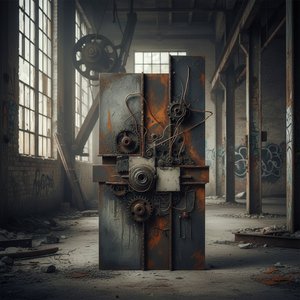
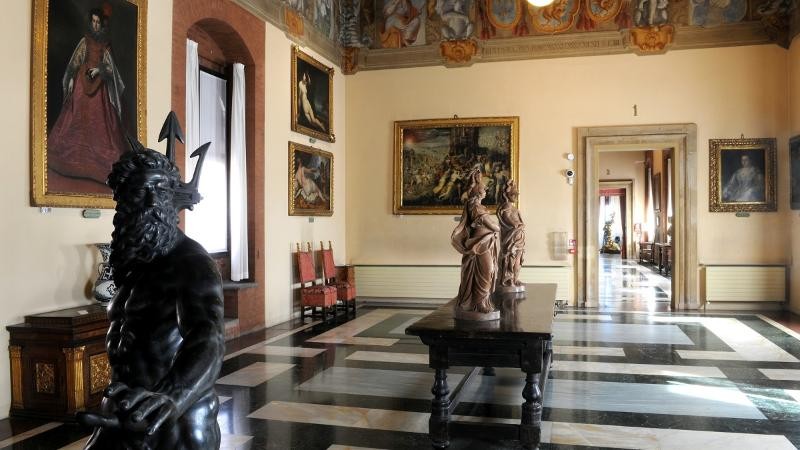
To wander through the museum’s halls is to witness a curated journey through texture and time. The collection serves as a breathtaking testament to Imola's artisanal heritage, particularly through its exquisite ceramics and meticulously crafted metal sculptures that capture the very spirit of the early twentieth century. These pieces do more than showcase skill; they embody an era of transition, where the machine age began to adopt the elegance of classical design.Amidst this industrial splendor, one finds a startlingly beautiful contrast in the presence of Pietro Paolo da Imola’s ‘Cristo alla Colonna.’ This sixteenth-century masterpiece brings a Renaissance gravity to the museum, its restrained emotionality and anatomical precision acting as a spiritual anchor within the modern collection. This dialogue is further enriched by the Galleria Davia Bargellini, a dedicated space for fine art that invites visitors to compare the evolution of painting and sculpture across different epochs, creating a layered narrative of human creativity that spans centuries.
Architecture and the Spirit of Progress
The museum’s physical presence is as much a part of its story as the objects it houses. Built during the mid-twentieth century, the architecture embodies the rationalist ideals that swept through Italy in the wake of World War II. The structure itself reflects an era defined by optimism and a fervent belief in technological advancement. Its clean lines and purposeful design do not merely enclose the art; they participate in it, mirroring the museum's core mission to celebrate progress.For those captivated by the way space influences perception, the building offers a study in how architecture can foster an intellectual dialogue between disciplines. As seasonal exhibitions explore themes such as “The Decorative Arts in Industrial Spaces,” the museum continues to challenge our perceptions, proving that even the most functional of environments can be transformed into a stage for profound artistic contemplation and timeless beauty.