A Tapestry of Time: Discovering the Musée des Beaux-Arts et d'Histoire in Troyes
Nestled within the heart of Troyes, a city steeped in history and renowned for its captivating architecture, lies the Musée des beaux-arts et d’histoire – or Musée Saint-Loup as it is affectionately known. More than just a repository of artifacts, this museum is a journey through time, an eloquent narrative woven from medieval sculpture, Roman relics, and the refined brushstrokes of French masters. Housed within the walls of a former abbey, itself a testament to centuries past, the Musée Saint-Loup offers visitors an immersive experience that resonates with both scholarly curiosity and aesthetic appreciation.
-
Origins & Evolution:
The museum’s genesis stems from a noble ambition – to safeguard Troyes’s cultural heritage. Initially conceived as a collection housed within the abbey itself, it blossomed over time thanks to generous donations, serendipitous archaeological discoveries, and even seized revolutionary holdings. This evolution mirrors the city's own history, adapting to changing artistic sensibilities and societal shifts.
-
Architectural Marvel:
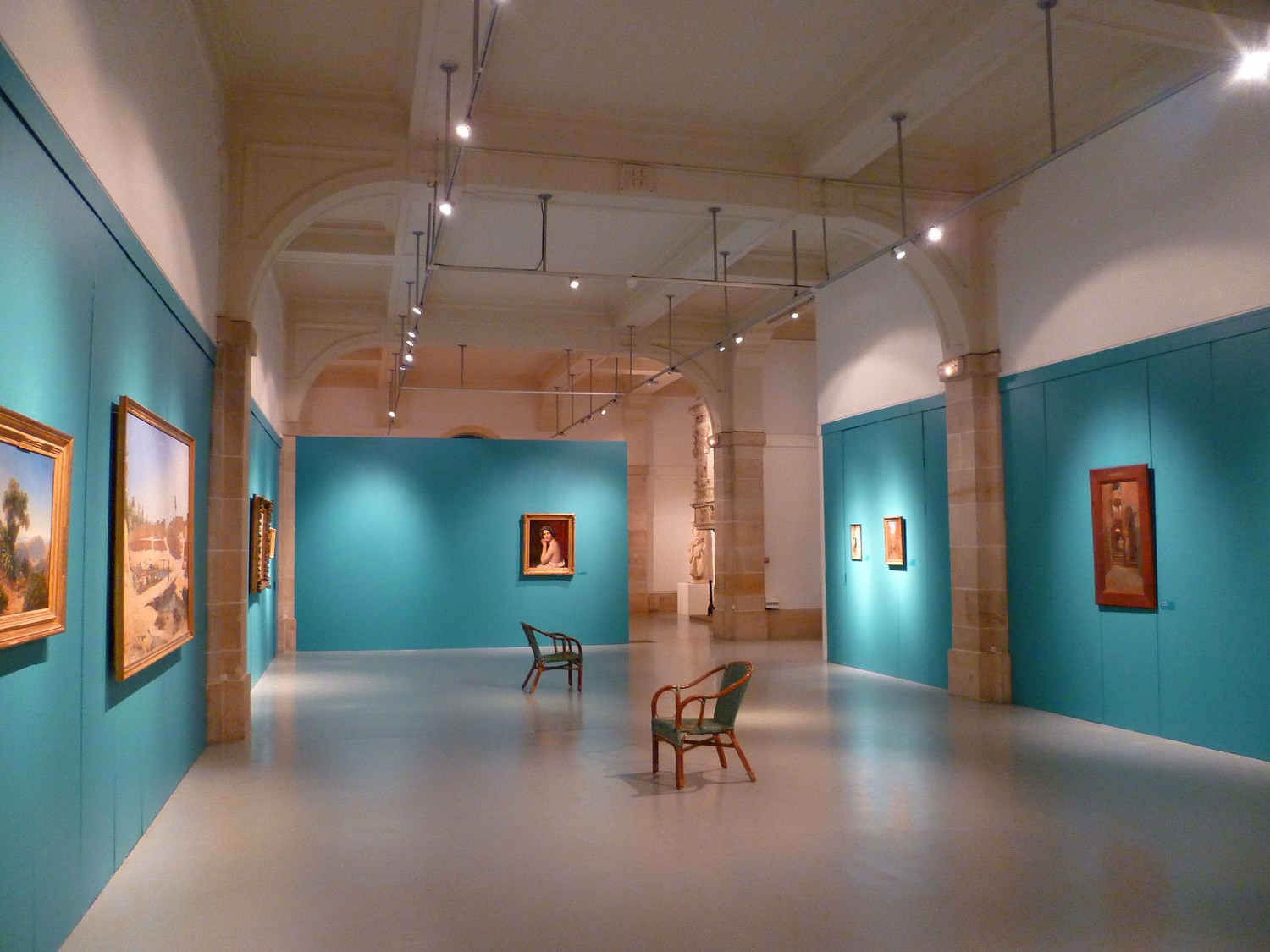
The building’s grandeur speaks for itself; the original 17th and 18th-century abbey structures provide an elegant backdrop to modern exhibition spaces, creating a harmonious dialogue between past and present. Walking through its halls feels like stepping back into a bygone era, surrounded by echoes of monastic life and artistic endeavor – a deliberate architectural choice designed to heighten visitor engagement.
Treasures Unearthed: From Roman Splendor to Medieval Devotion
Perhaps the most celebrated jewel in the Musée Saint-Loup’s crown is the Treasure of Pouan. Discovered in 1842, this remarkable assemblage offers a breathtaking glimpse into the world of ancient Gaul. Comprising exquisite jewelry, intricately crafted coins, and everyday artifacts—fragments of daily life rendered with astonishing detail—the treasure transcends mere material value; it embodies Roman craftsmanship, religious beliefs, and societal norms. Beyond the glittering gold and precious stones, the Treasure of Pouan furnishes invaluable insights into the economic and social fabric of the region under Roman dominion. Each piece whispers tales of emperors, artisans, and ordinary people striving to express their faith and identity.
-
Roman Legacy:
The meticulous artistry evident in each item—from delicately hammered bracelets to stylized medallions—demonstrates the sophistication of Roman artistic techniques.
-
Medieval Faith:
Alongside the treasures lie sculptures depicting saints and biblical figures, reflecting the profound spiritual devotion characteristic of the Middle Ages. Notice the expressive faces and drapery folds that convey emotion with remarkable sensitivity – a testament to the skill of medieval sculptors.
The Eloquence of French Art: Baroque Grandeur and Enlightenment Refinement
Stepping into the galleries dedicated to French Paintings unveils masterpieces from the 17th and 18th centuries, reflecting the evolving artistic styles of the period. From the dramatic intensity of the Baroque era—characterized by opulent compositions and theatrical lighting—to the refined elegance of the Enlightenment—marked by balanced palettes and intellectual contemplation—the collection showcases a diverse range of subjects: portraits capturing the personalities of their sitters; landscapes celebrating the beauty of the French countryside; and historical scenes recounting pivotal moments in European history. These paintings are not merely decorative objects; they serve as windows into the social, political, and philosophical currents shaping their time.
-
Baroque Drama:
Admire canvases ablaze with color and movement—a deliberate stylistic choice intended to evoke emotion and convey grandeur.
-
Enlightenment Clarity:
Observe paintings imbued with serenity and intellectual precision—reflecting the Enlightenment’s emphasis on reason and observation.
A Holistic Vision of Regional Culture
What truly distinguishes the Musée des beaux-arts et d'histoire is its comprehensive approach to art and history, eschewing narrow specialization for a holistic understanding of Troyes’s cultural evolution. This breadth—coupled with engaging educational programs—workshops, guided tours, and special exhibitions—makes it an invaluable resource for both locals and tourists alike. Furthermore, its location within the Aube Champagne region offers visitors the opportunity to enrich their experience by immersing themselves in the splendor of this celebrated wine-producing area – a connection that underscores the museum’s role as custodian of Troyes's heritage.