Taiteen, kirjallisuuden ja luonnon pyhättö: Tutkimassa The Huntington Librarya
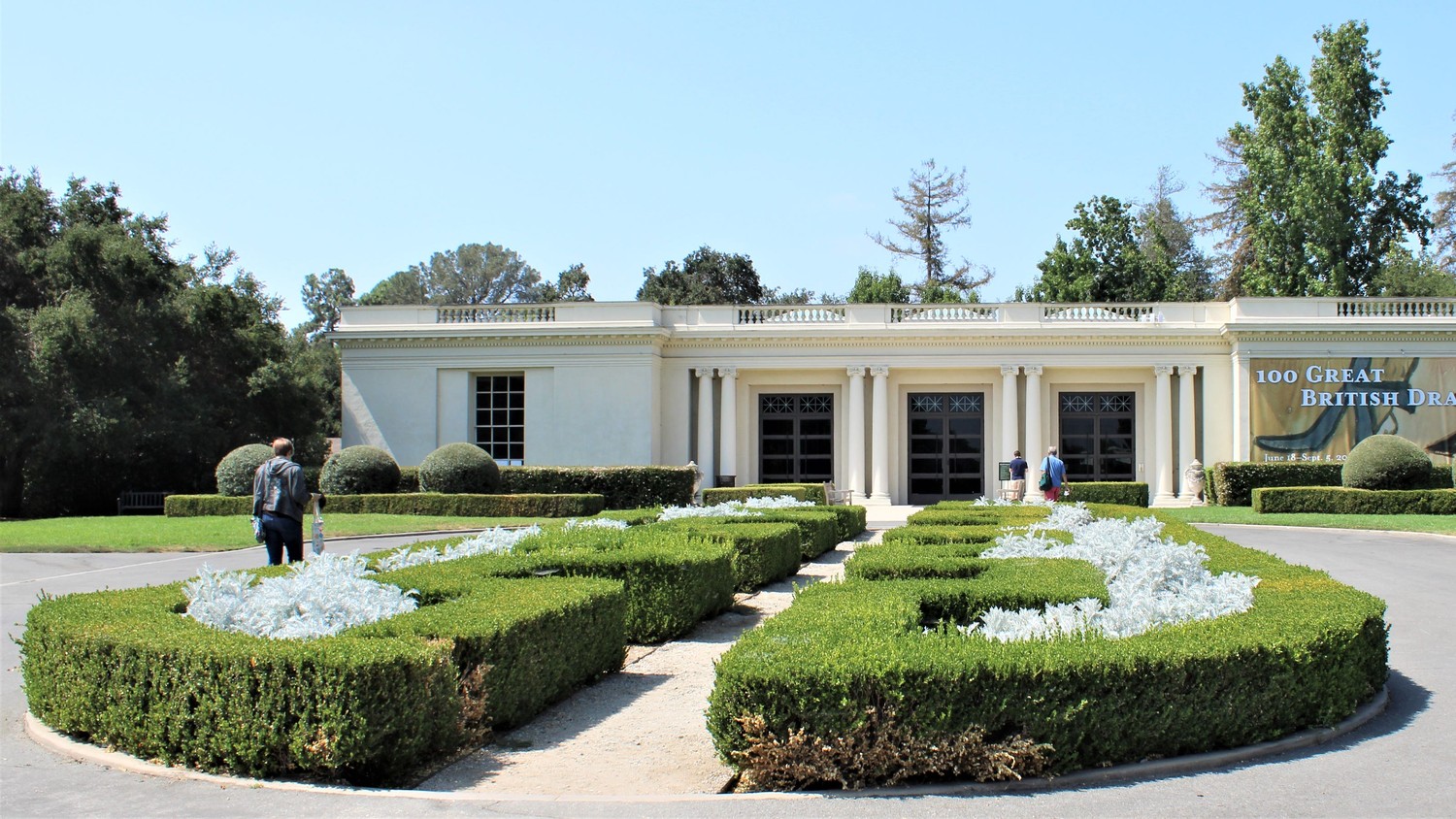
San Marinon seesteisessä maisemassa Kaliforniassa sijaitseva The Huntington Library, Art Museum and Botanical Gardens seisoo todistuksena keräilykulttuurin kestävästä voimasta ja kulttuuristen pyrkimysten harmonisesta liitosta. Se on paljon enemmän kuin pelkkä museo; se on upottava kokemus – paikka, jossa taiteelliset mestariteokset keskustelevesta kirjallisten aarteen kanssa, kaiken ympäröimänä huolellisesti hoidettujen puutarhojen tyyni kauneus. Rautatiemagnatti Henry E. Huntingtonin ja hänen vaimonsa Arabellan perustama instituutio on kukkasena heidän yhteisestä intohimostaan säilyttää ja esitellä kauneutta, ja se on kasvanut yhdeksi Etelä-Kalifornian arvostetuimmista kulttuurikohteista. The Huntingtonin tarina on erottamattomasti sidoksissa sen perustajien visioon, jotka tunnistivat ensimmäisen maailmansodan jälkeisessä ajassa ainutlaataisen mahdollisuuden hankkia poikkeuksellisia teoksia eurooppalaisista kartanoista. Tämä aikakausi mahdollisti tavaraluettelon koon, joka muodostui peruskiveksi maailmanmaineeseen nousseelle tutkimuksen ja yleisön nautinnon keskukselle.
Eurooppalainen loisto ja amerikkalaiset visiot: Taidekokoelmat
The Huntingtonin taidemuseo kantaa ylpeänä hämmästyttävää valikoimaa, joka ulottuu 1700-luvulta 1900-luvun puoliväliin, painottuen erityisesti brittiläiseen ja amerikkalaiseen taiteeseen. Galleriaan astuminen on kuin astuisi hienostuneen eleganssin ja taiteellisen innovaation maailmaan. Täällä voi kohdata mestareita, kuten Thomas Gainsboroughn ja Sir Joshua Reynoldsin, joiden muotokuvat vangitsevat Georgian ja Regency-ajan Englannin hengen vertaansa vailla olevalla taidolla. Siveltimenvedot tuntuvat hengittävän elämää kohteisiinsa paljastaen paitsi fyysisen samankaltaisuuden, myös vilauksia luonteeseen ja yhteiskunnalliseen asemaan. Näiden brittimestareiden rinnalla museo esittelee merkittäviä amerikkalaisia teoksia, kuten Mary Cassattin lumoavat maalaukset – hänen intiimit kotikohtauksensa tarjoavat koskettavan kommentin naisten elämään – sekä Edward Hopperin evokoiviset maisemat, jotka vangitsevat modernin Amerikan hiljaisen yksinäisyyden. Erityisen huomionarvoinen teos on Rogier van der Weydenin
Portrait Diptych of Philippe de Croy (left wing)
, upea esimerkki varhaisesta hollantilaisesta maalaustaidosta, joka osoittaa aikakaudelle tyypillistä tarkkuutta ja hengellistä syvyyttä. Virginia Steele Scott Gallery for American Art tarjoaa nykyaikaisen tilan kokea nämä amerikkalaiset mestariteokset, vahvistaen niiden vaikutusta harkitulla kuratoinnilla ja modernilla muotoilulla.
Gutenbergista Austeniin: Kirjallinen perintö
Visuaalisen taiteen ulkopuolella The Huntingtonin kirjasto on aarrearkku tutkijoille ja kirjanystäville. Se kätkee sisäänsä hämmästyttävän kokoelman harvinaisia kirjoja, käsikirjoituksia ja kirjallisia artefakteja, jotka kattavat vuosisatoja. Sen arvokkaimpien omaisuuksien joukossa on poikkeuksellisen täydellinen Gutenbergin Raamattu – painohistoriallinen merkkipaalu ja modernin ajan aamunkoiton symboli. Tämän monumentaalisen teoksen edessä seisominen on yhteys ihmisen älyllisen historian käännekohtaan. Kirjaston kokoelmat ulottuvat paljon pidemmälle kuin varhaiset painetut kirjat, sisältäen runsaasti käsikirjoituksia, kuten kirjallisten jättiläisten, kuten Jane Austenin, kynän jälkiä. Kuvittele pitäväsi kädessäsi sivua, johon hänen kätensä on koskenut, ja lukevasi hänen sanojaan alkuperäisessä muodossaan – se on kokemus, joka tuo rakastetun kirjailijan ja hänen maailmansa elävästi esiin. Kokoelmat sisältävät myös laajasti amerikkalaiseen historiaan ja kulttuuriin liittyvää materiaalia, tarjoten arvokasta tietoa kansakunnan menneisyydestä.
Rauhan puutarhat: Kasvitieteellinen keidas
The Huntingtonia ei määrittele ainoastaan sen taide ja kirjallisuus; se on yhtä lailla kuuluisa henkeäsalpaavista kasvitieteellisistä puutarhoistaan. 120 hehtaarin laajuiset puutarhat ovat puutarhakulttuurin taidokkuuden todistus ja rauhan tyyssija. Kuuluisa japanilainen puutarha tarjoaa seesteisen pakopaikan, joka on saanut inspiraationsa perinteisistä japanilaisista suunnitteluperiaatteista – huolellisesti haravoidut sorat, tarkasti leikatut puut ja tyynet lammet luovat syvän rauhan ilmapiirin. Vastakohtana tälle aavikkopuutarha esittelee kaktusten ja mehikasvien karua kauneutta, osoittaen luonnon hämmästyttävää kykyä kukoistaa kuivissa ympäristöissä. Ruusutarha puolestaan pursuaa väreistä ja tuoksuista, tarjoten aisteja hivelevän romanttisen spektaakkelin. Viime aikoina lisätty Liu Fang Yuan – ”Garden of Flowing Fragrance”, upea kiinalainen puutarha, on entisestään rikastanut puutarhakokemusta tarjoten vierailijoille vilauksen kiinalaisen maisemasuunnittelun taiteellisuudesta ja filosofiasta.
Ainutlaatuinen kulttuurinen synteesi
Se, mikä tekee The Huntingtonista todella ainutlaataisen, on sen ainutlaatuinen tieteiden synteesi. Se ei ole pelkkä taidemuseo tai kirjasto; se on kokonaisvaltainen kulttuurikohde, jossa taiteellinen ilmaisu, kirjallinen perintö ja luonnon kauneus kohtaavat. Tämä monitieteinen lähestymistapa edistää syvempää ymmärrystä ja arvostusta ihmisen luovuuden ja ympäröivän maailman välisestä kytkeytyneisyydestä. Instituution sitoutuminen tieteelliseen tutkimukseen ja yleisön osallistamiseen varmistaa, että sen kokoelmat pysyvät saavutettavina ja merkityksellisinä tuleville sukupolville. Vierailu The Huntingtonissa on kutsu aloittaa löytöretki – mahdollisuus uppoutua kauneuteen, tietoon ja inspiraatioon todellisessa kulttuurisessa keitaassa.