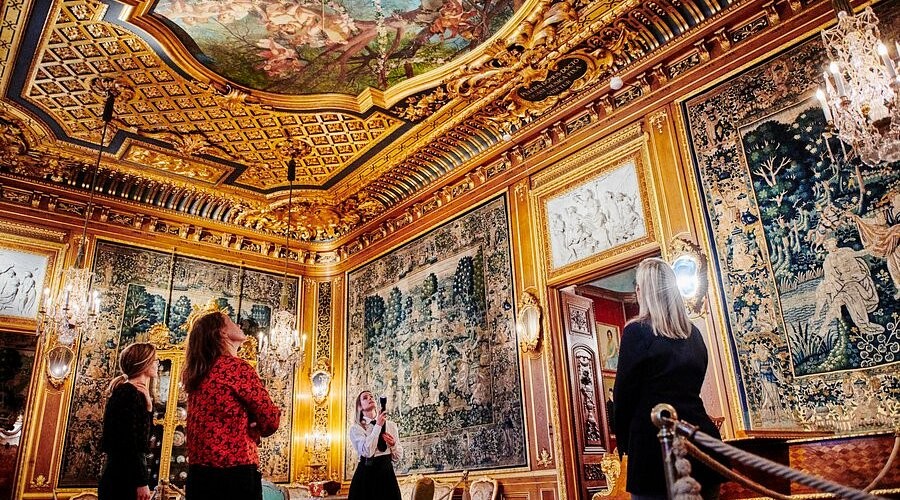
A Window into Victorian Splendor: Exploring Hallwyl Museum
Hallwyl Museum stands as an extraordinary testament to a bygone era—the opulent world of Swedish nobility in the late 19th century. Located in Stockholm, Sweden, this meticulously preserved palace isn’t merely a repository of art; it's a living tableau that transports visitors directly into the daily life and artistic sensibilities of Count Walther von Hallwyl and his wife, Countess Wilhelmina. Designed by Isak Gustaf Clason, the building itself is an architectural marvel—a daring fusion of medieval prototypes and Renaissance Venice, incorporating groundbreaking innovations like electricity, central heating, and even an elevator for its time. Its donation to the Swedish state in 1920 solidified its mission as a museum dedicated to preserving this singular glimpse into aristocratic heritage.
The Countess’s Vision: A Collection Unlike Any Other
At the heart of Hallwyl Museum's allure lies the extraordinary collection amassed by Countess Wilhelmina von Hallwyl—a woman whose passion for art and antiquities shaped its identity. Comprising over 50,000 objects, this assemblage spans across diverse artistic disciplines: Fine and Decorative Arts dominate the collection, showcasing European paintings – notably landscapes by Oscar Gustave Rejlander capturing serene Swedish vistas – sculptures imbued with classical grace, exquisite porcelain adorned with intricate floral motifs, furniture crafted from richly grained mahogany reflecting Victorian elegance, and textiles woven with opulent silks and velvets. Beyond these visual treasures, the museum houses a significant assemblage of Arms & Armour, representing historical weaponry alongside decorative pieces highlighting craftsmanship. Furthermore, delving into Eastern traditions, you’ll discover artifacts originating from across Asia—ceramics from China and Japan offering glimpses into artistic techniques and cultural influences. The collection's centerpiece is undoubtedly Rejlander’s photogravures depicting breathtaking Swedish landscapes – a masterful blend of artistry and technological innovation that exemplifies the era’s fascination with capturing beauty in print.
Architectural Innovation: Clason's Bold Experiment
Isak Gustaf Clason’s architectural design wasn’t simply aesthetically pleasing; it was revolutionary for its time. Rejecting conventional styles, he envisioned a palace that honored medieval grandeur while embracing the advancements of the Renaissance—specifically Venetian influence—resulting in a building that defied expectations. The incorporation of electricity and central heating represented a monumental leap forward, transforming domestic comfort and demonstrating Clason’s commitment to incorporating cutting-edge technologies into his creation. Equally impressive is the elevator – an unprecedented feature for Stockholm at the turn of the century – symbolizing not only convenience but also a reflection of the era's fascination with progress and innovation. The palazzo’s soaring ceilings and expansive windows are testament to Clason’s ambition to create a space that mirrored the grandeur of Venetian palaces, pushing the boundaries of architectural possibility.
An Intact Reflection: Experiencing Victorian Life
What distinguishes Hallwyl Museum from other art institutions is its unwavering dedication to authenticity. The house has been maintained almost exactly as it existed during Countess Wilhelmina’s lifetime, allowing visitors to immerse themselves in an unparalleled experience of Victorian interior design. Rooms are furnished with original furniture, textiles, and personal belongings—a testament to the family's taste and lifestyle. Walking through these spaces evokes a profound connection to history, prompting contemplation on social customs, artistic tastes, and the daily rhythms of aristocratic life. Visitors can observe meticulously recreated interiors that capture the essence of Victorian domesticity – from richly embroidered draperies to delicate porcelain figurines – offering a rare glimpse into the world of Sweden’s elite.
A Must-Visit Destination
Hallwyl Museum offers guided tours that illuminate the museum’s rich narrative, delving deeper into the history of the palace and its remarkable collection. Whether you're an art historian eager to analyze stylistic nuances or an interior designer seeking inspiration for timeless elegance, Hallwyl Museum promises a captivating journey into Sweden’s artistic past—a place where beauty endures and Victorian grandeur continues to inspire. Don’t miss the opportunity to explore the museum’s fascinating exhibitions showcasing Swedish art history and decorative arts!