A Glimpse into Imperial Splendor: The Fabergé Museum of Saint Petersburg
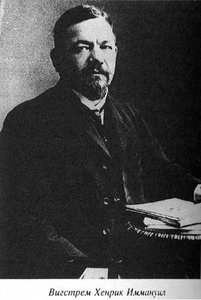
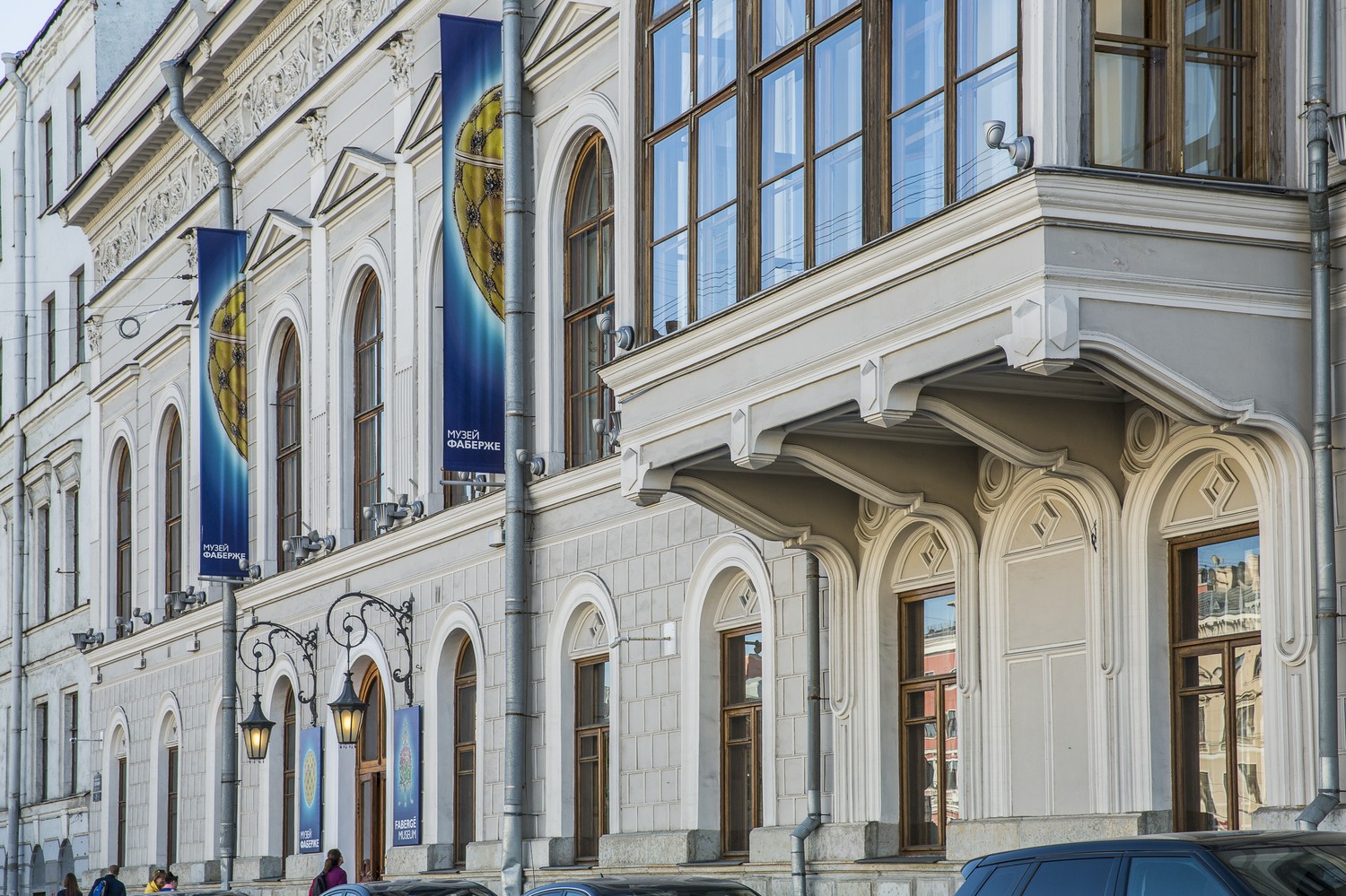
The Fabergé Museum in Saint Petersburg isn’t merely a repository of exquisite objects; it is a portal to a vanished world, an echo of imperial grandeur and artistic innovation. Founded by Viktor Vekselberg, the museum represents a remarkable act of cultural repatriation, bringing back to Russia treasures that had scattered across the globe. Its very existence speaks to a deep reverence for Russian artistry and a commitment to preserving a legacy of unparalleled craftsmanship. Housed within the opulent Shuvalov Palace—a neoclassical masterpiece itself steeped in aristocratic history—the museum offers an immersive experience into the dazzling world of the Romanovs and the extraordinary creations that adorned their lives. The palace, completed in 1840 and later embellished with architectural details by Rudolph Bogdanovich Berngard, provides a fittingly majestic backdrop for the treasures within, its gilded halls and ornate detailing mirroring the lavishness of the Fabergé workshops.
The Allure of Imperial Eggs
At the heart of the museum’s renown lies its breathtaking collection of Fabergé eggs—objects that transcend mere decoration to become miniature narratives sculpted in gold, adorned with gemstones, and painstakingly painted with enamel. These weren't simply gifts; they were symbols of imperial power, familial affection, and artistic mastery. Commissioned by Tsars Alexander III and Nicholas II as Easter presents for their consorts, each egg was a unique creation, concealing within its jeweled shell a delightful surprise—a miniature automaton, a portrait, or a meticulously crafted replica of a significant object. The Rothschild Egg, acquired by Vekselberg in 2007, stands as a testament to the museum’s ambition and the enduring allure of these masterpieces. Beyond their intrinsic beauty, the eggs offer a fascinating glimpse into the political and personal lives of the Romanov dynasty, each one reflecting a specific moment in history or a cherished memory. The sheer artistry involved—the intricate guilloché enameling, the delicate gemstone settings, the ingenious mechanical devices—is simply astounding, showcasing the unparalleled skill of Fabergé’s artisans. Each egg tells its own story, capturing the spirit of its era and conveying sentiments of devotion and remembrance.
Beyond the Eggs: A Universe of Craftsmanship
While the Imperial eggs rightfully command attention, to view the Fabergé Museum solely through this lens would be a disservice to the breadth and depth of its collection. The museum boasts over 4,000 display items representing the full spectrum of the House of Fabergé’s creations: dazzling jewelry, intricately carved figurines, elegant silverware, luxurious home décor objects, and even religious icons crafted with exquisite detail. Fabergé wasn't just a jeweler; he was a master of applied arts, pushing the boundaries of technique and design. His pioneering use of enamel work—transforming metal surfaces into luminous canvases of color and pattern—is particularly noteworthy. The museum showcases diverse materials – gold, silver, porcelain, bronze – each reflecting stylistic influences and contributing to Saint Petersburg’s rich cultural heritage. Consider the Gothic Hall, where magnificent Orthodox icons shimmer with gilded splendor, a testament to Fabergé's dedication to elevating religious art through masterful craftsmanship. Similarly, the Knights’ Hall celebrates military prowess with sculptures embodying courage and honor—a reflection of Russia’s imperial ambitions during Alexander III’s reign.
A Legacy of Innovation and Artistic Exchange
The Fabergé Museum distinguishes itself through its commitment to illuminating the multifaceted dimensions of Russian art history. Inaugural exhibitions like “Gold of the World” demonstrated this ambition, showcasing gold artifacts from diverse civilizations and celebrating Saint Petersburg’s role as a center for artistic innovation and cultural exchange. The museum doesn't simply display objects; it contextualizes them, offering visitors a deeper understanding of the historical, social, and artistic forces that shaped their creation. The Shuvalov Palace itself contributes to this narrative, its architecture reflecting the aspiration of Saint Petersburg to emulate the grandeur of European capitals during Alexander III’s rule. Furthermore, ongoing exhibitions continue to explore new facets of Russian art and design, ensuring that Fabergé Museum remains a vibrant hub for scholarship and appreciation—a place where history breathes life into artistry and where the legacy of Fabergé inspires awe and wonder.
Saint Petersburg's Reflection: The Palace and Its Context
The Shuvalov Palace stands as more than just an architectural setting; it embodies Saint Petersburg’s ambition to rival European capitals during Alexander III’s reign—a period marked by opulent patronage and a fervent desire for prestige. Completed in 1840, the palace was designed by Rudolph Bogdanovich Berngard, who skillfully blended neoclassical principles with decorative flourishes that echoed the grandeur of Versailles. The palace's interior walls are adorned with frescoes depicting scenes from Russian history and mythology, reflecting the imperial fascination with tradition and symbolism. Visitors can trace the evolution of Saint Petersburg’s artistic landscape through its architectural embellishments and the artworks housed within—a tangible reminder of Russia’s cultural heritage and its aspirations for greatness.