

The Soul of Provence: Exploring the Musée Granet in Aix-en-Provence
Nestled within the heart of Aix-en-Provence, a city steeped in artistic heritage, lies the Musée Granet – a treasure trove that breathes with the spirit of Southern France and its profound influence on European art. More than simply a repository of paintings, the museum offers a deeply immersive experience, transporting visitors to the world of Paul Cézanne, Alexandre-Eugène Hercule de Laussedat, and a remarkable collection of works spanning from the 14th century to the present day. The building itself, a harmonious blend of architectural styles, is as captivating as the art it houses, making a visit to the Musée Granet an unforgettable journey through time and creativity.
The museum’s origins trace back to 1825 when it began as a private collection assembled by Jean-Jacques Grandet, a local banker. His passion for art, particularly portraiture, formed the foundation of what would eventually become the Musée Granet. Over the decades, the collection grew through bequests and purchases, culminating in its relocation to the stunning Hôtel de Soissons in 1937. This magnificent building, originally constructed in the late 18th century for the wealthy family of the same name, is a masterpiece of Neoclassical architecture – its symmetrical facade, elegant columns, and grand staircase immediately evoke a sense of grandeur and historical significance. The interior spaces have been meticulously preserved, allowing visitors to appreciate the original features alongside the artwork, creating a truly remarkable setting.
Cézanne’s Enduring Legacy- The Heart of the Collection: Undoubtedly, Paul Cézanne dominates the museum's offerings. The Granet possesses one of the most significant collections of his work outside of Paris, including a breathtaking array of landscapes, still lifes, and portraits. These pieces offer an unparalleled insight into the artist’s revolutionary approach to color, form, and perspective – elements that would profoundly influence generations of artists to come.
- “The Basket of Apples” (1893): This iconic painting is arguably the museum's most celebrated work. Cézanne’s masterful manipulation of light and shadow, combined with his deliberate distortion of form, creates a sense of both tranquility and dynamism. The painting captures not just the visual appearance of the subject but also the artist’s emotional response to it – a testament to Cézanne’s deeply personal artistic vision.
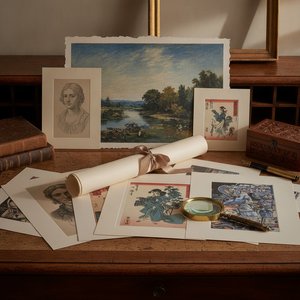
- Cézanne's Drawings: Beyond paintings, the museum houses an extensive collection of Cézanne’s drawings, providing a crucial understanding of his creative process and revealing the sketches that informed many of his most famous canvases.
Beyond Cézanne, the Musée Granet boasts a diverse range of artistic treasures. The collection includes works by Alexandre-Eugène Hercule de Laussedat, a prominent Aixois painter known for his portraits and landscapes; paintings from the 14th to 18th centuries showcasing the evolution of French art; and a growing contemporary art section that reflects the vibrant cultural landscape of Provence today. Notably, the museum regularly hosts temporary exhibitions focusing on both established and emerging artists, ensuring a constantly evolving and stimulating experience for visitors. A particularly noteworthy exhibition in recent years explored the influence of Japanese prints on 19th-century European painters – a fascinating demonstration of cross-cultural artistic exchange.
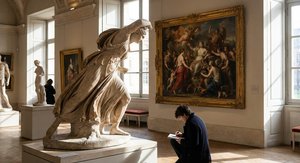
Architecture and Atmosphere- The Hôtel de Soissons: The building itself is an integral part of the museum’s appeal. Its grand halls, ornate ceilings, and carefully restored interiors provide a stunning backdrop for the artwork on display.
- Sculptures and Decorative Arts: Scattered throughout the museum are sculptures and decorative arts from various periods, adding further layers of interest to the visitor experience.
- The Museum Gardens: Adjacent to the Hôtel de Soissons is a beautiful garden, offering a tranquil space for reflection and contemplation – a perfect complement to the artistic treasures within.
What truly distinguishes the Musée Granet is its commitment to fostering a deep connection between art and place. Situated in Aix-en-Provence, a city renowned as the birthplace of Paul Cézanne and a center for artistic innovation, the museum serves as a vital link to the region’s rich cultural heritage. It's not merely a display of artworks; it’s an invitation to explore the soul of Provence – its light, its landscapes, its people, and its enduring legacy in the world of art.
Current Description: The Musée Granet is currently open to the public with adjusted hours due to ongoing renovations. Please check their website for the most up-to-date information on exhibitions and visiting times: https://www.musee-granet.fr/