Buckingham Palace – A Legacy of Royalty and Artistic Patronage
Buckingham Palace stands as an enduring symbol of British monarchy, tradition, and national identity—a living testament to centuries of royal history and artistic patronage. Stepping through its grand doors is like traveling back in time, encountering the echoes of countless coronations, celebrations, and quiet moments within its opulent walls. Originally conceived as a modest townhouse for the Duke of Buckingham in 1703, the Palace has undergone a dramatic evolution, shaped by ambitious monarchs, visionary architects, and an unparalleled collection of art amassed over generations. Today, it stands as both a working royal residence and a meticulously curated museum, offering visitors a rare glimpse into the lives of those who have shaped Britain’s past.
The Palace's architectural journey is itself a fascinating narrative. The core structure, acquired by George III in 1761, was gradually transformed under the guidance of renowned architects John Nash and Edward Blore during the 19th century. They masterfully reshaped the building into the iconic facade we recognize today—a harmonious blend of neoclassical elegance and regal grandeur. The East Front, with its instantly recognizable balcony, became a focal point for royal appearances, witnessing countless moments of national significance. Beyond this landmark, Nash’s additions created a sprawling courtyard complex, housing state rooms designed to impress foreign dignitaries and host grand receptions. The Palace's evolution reflects not just architectural trends but also the evolving tastes and priorities of successive monarchs – from the lavish interiors championed by George IV to the more restrained elegance favored during later reigns.
### The State Rooms: A Showcase of Opulence and History
These magnificent spaces, used for official ceremonies and state visits, are a showcase of opulent design. Richly colored scagliola—a type of artificial marble that mimics the appearance of stone—adorns walls alongside intricate plasterwork depicting scenes from British history. The furnishings, sourced over centuries, reflect changing styles and craftsmanship, offering a tangible connection to different eras. Each room tells a story—from the grandeur of the Ballroom, where monarchs have hosted glittering balls for generations, to the solemn beauty of the Throne Room, which embodies the sanctity of the monarchy. The meticulous attention to detail—the gilded frames, the velvet draperies, the priceless porcelain—creates an immersive experience that transports visitors back to Britain’s golden age.
### A Treasury of Royal Art: Paintings and Decorative Arts
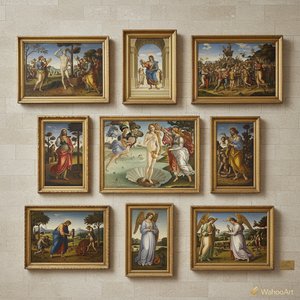
Buckingham Palace houses one of the world's most significant art collections—the Royal Collection—spanning centuries and encompassing a breathtaking diversity of styles and periods. Over 7,000 paintings adorn the palace walls, representing a remarkable testament to royal patronage and artistic taste. The collection includes masterpieces by renowned European artists such as Rembrandt, Van Dyck, Rubens, Canaletto, and many others, each offering a unique window into the tastes and preferences of past monarchs. These works are not merely decorative; they represent significant cultural and historical artifacts, reflecting the evolving artistic landscape of Europe. Beyond paintings, the Palace’s collection extends to an impressive array of decorative arts and furniture. From intricately carved silver objects and porcelain from China and Japan to exquisite tapestries and antique clocks, each item tells a story—a reflection of royal tastes, craftsmanship, and international relations. The collection is a testament to the Palace's role as a center for collecting and preserving artistic treasures throughout history.
### Notable Artists Within the Collection
Rembrandt van Rijn: Known for his dramatic use of light and shadow, Rembrandt’s portraits offer intimate glimpses into the lives of European nobility. Anthony Van Dyck: A leading portrait painter of the Elizabethan era, Van Dyck's works capture the elegance and grace of royalty. Peter Paul Rubens: Celebrated for his dynamic compositions and vibrant colors, Rubens’ paintings exemplify Baroque artistry.
### Buckingham Palace Today: Tradition Meets Modernity
Buckingham Palace continues to serve as the official London residence of the UK’s sovereigns and a working royal palace. The annual Summer Opening provides public access to the State Rooms, offering an unparalleled chance to explore these magnificent spaces and admire their opulent interiors. Beyond this event, visitors can experience the grandeur of royal life through guided tours, educational programs, and special exhibitions that delve deeper into aspects of the Royal Collection and royal history. The Palace’s role as a center for national celebrations—from Jubilees to commemorations—underscores its enduring significance in British society. Witnessing the Changing of the Guard ceremony—a tradition dating back centuries—remains one of London's most iconic sights, captivating audiences worldwide.