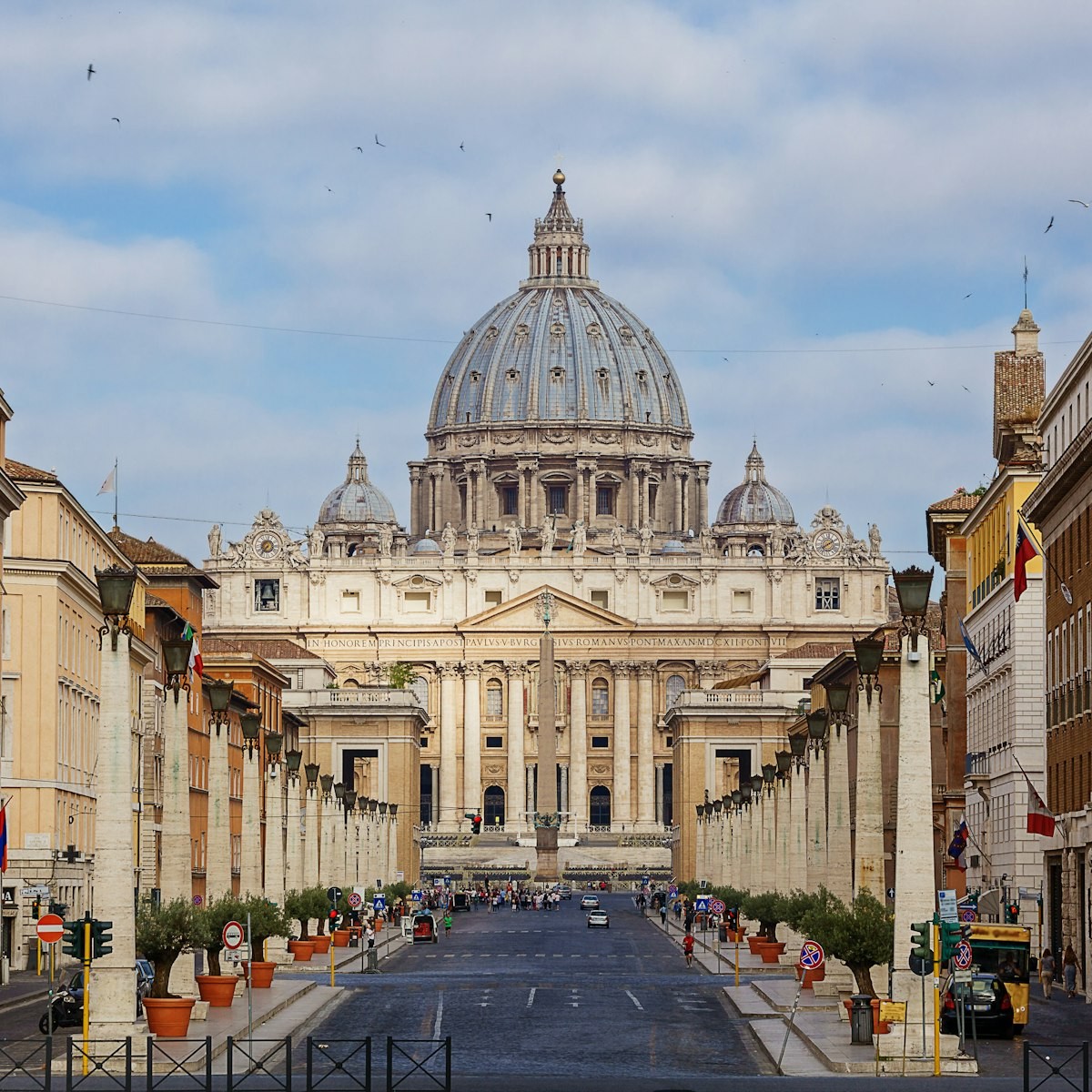
Basilica di San Marco: A Roman Echo of Venetian Splendor
The Basilica di San Marco in Rome stands as a captivating testament to faith, artistry, and the enduring connections between cultures—a place where history breathes through every gilded tessera and whispers tales of emperors and pilgrims alike. Unlike many other churches within the Eternal City, its story begins not merely with its construction in 833 but with the veneration of Saint Mark the Evangelist himself, whose relics found initial sanctuary within these walls before their eventual relocation to Venice. This early association forged an unbreakable link, imbuing the basilica with a unique character that sets it apart from others—a character born of pilgrimage and papal patronage.
Architectural Harmony & Mosaic Brilliance
Approaching the Basilica di San Marco is to encounter an architectural narrative unfolding across centuries. While retaining its core 9th-century structure—a bold departure from Romanesque norms—subsequent renovations have layered upon it a rich tapestry of artistic detail. The facade, dominated by three monumental arches adorned with Corinthian columns and sculptures depicting saints, hints at the treasures within, drawing visitors into a space where light and color dance in ethereal harmony. But it is the mosaics that truly define the Basilica’s aesthetic soul. These aren't merely decorative elements; they are vibrant narratives rendered in glass and stone—a dazzling display of Byzantine artistry—depicting biblical scenes and figures with an exquisite detail that transcends time. The apse, in particular, showcases a breathtaking concentration of these masterpieces, each tessera meticulously placed to create images of profound spiritual power and artistic beauty. The skill involved is astonishing—the artists weren’t simply replicating imagery; they were crafting a visual theology, designed to inspire awe and contemplation.
A Legacy Forged in Faith & Cultural Exchange
The Basilica's history reflects a fascinating interplay between Rome and Venice. Initially conceived as a Roman church dedicated to Saint Mark, its destiny became inextricably linked with the burgeoning maritime republic of Venice. The Venetian connection isn’t merely historical; it’s palpable within the basilica’s artistic fabric. Elements reminiscent of Venetian styles—particularly in the decorative schemes—are subtly woven into the architectural design, offering a unique cultural fusion rarely encountered elsewhere in Rome. This blending of influences speaks to a period of intense trade, diplomacy, and artistic exchange between the two cities, creating a space that feels both Roman and distinctly Venetian. The basilica served as a vital spiritual home for Venetians residing in Rome, solidifying its role as a symbol of their presence and power within the Eternal City—a testament to papal ambition and Venetian mercantile prowess.
Notable Exhibitions & Artistic Significance
Over the centuries, the Basilica di San Marco has hosted numerous exhibitions showcasing both its own artistic treasures and broader explorations of Byzantine art and Roman history. Particularly noteworthy was the 1986 exhibition “The Art of Byzantium,” which drew scholars from across Europe to examine the basilica’s mosaics alongside comparable artworks from Constantinople and Alexandria—illuminating the shared artistic traditions that shaped medieval Europe. Furthermore, ongoing research into the basilica's pigments and techniques continues to deepen our understanding of the materials and methods employed by its creators, revealing insights into Romanesque craftsmanship and Byzantine innovation. The Basilica di San Marco remains a focal point for scholarly debate regarding stylistic influences and artistic patronage—a place where art history unfolds in real time.
A Destination for Art Lovers & Collectors
For art lovers, the Basilica di San Marco offers an unparalleled opportunity to witness some of the finest examples of mosaic artistry in existence—a chance to stand before icons that embody centuries of faith and artistic brilliance. Its shimmering gold leaf and vibrant hues transport visitors back to the splendor of Byzantium, prompting reflection on the enduring power of visual storytelling. For collectors, the basilica provides inspiration—a glimpse into the aesthetic sensibilities of bygone eras—and its mosaics represent a singularly valuable investment in cultural heritage. And for interior designers, it presents a wealth of ideas regarding color palettes, spatial arrangements, and the integration of religious iconography into architectural spaces—a reminder that beauty can transcend time and inspire awe wherever it is found.