


1


Päivitetty marraskuu 2026 · järjestetty suosituimmuuspisteiden mukaan (jokaisen teoksen haut, vierailut ja tilaukset) · 23 teosta taiteilijalta William Hart luettelossamme
Lyhyesti
Kaikista William Hart jättämistä alkuperäisteoksista kuuluisin on Hudson River Landscape (1854). Heti perässä tulevat Tivoli Falls (1851) ja Rocky Coast at Sunset (1860). Katalogissamme on 23 teosta taiteilijalta William Hart; galleria on säilyttänyt 22 maailman ihailluimmista teoksista, ja jokaisesta on esitetty sen päivämäärä, museo sekä tarina.


 Cows in the Meadow1878
12
 Hudson River Landscape1879
13
 Scene at Napanoch1883 · Metropolitan Museum of Art
14
 Cattle and Landscape1880 · Centennial One Object Exhibit
15
 Grand manan
16
 New London, Connecticut
17
 Fields in Summer
18
 Near Tappan Zee, New York
19
 View of New Hampshire
20
 Sunset over the Lake
21
 Summer stream
22
 Woodland scene
Nämä neljä aihetta toistuvat näissä alkuperäisteoksissa useimmin, jokaisesta löytyy hienoin esimerkki.
Tämän sivun teoksista eniten sisältävät 4 museota.
| Museo | Kaupunki | William Hart teokset | Tämän listan maalaukset |
|---|---|---|---|
 Albany Institute of History - Art |
Albany | 1 | Tivoli Falls |
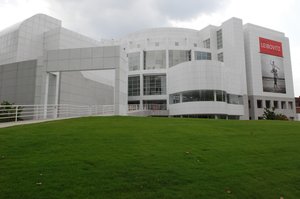 High Museum of Art |
Atlanta | 1 | The Last Gleam |
 Metropolitan Museum of Art |
New York | 1 | Scene at Napanoch |
 Centennial One Object Exhibit |
Unknown | 1 | Cattle and Landscape |
William Hartn aikakaudelle sijoittuvat teokset tässä valikoimassa kattavat vain 6 vuotta, vuodesta 1878 vuoteen 1883: lyhyt ura, esitettynä tässä vuosi vuodelta.
Valitse vuosi nähdäksesi alkuperäisteokset.


This painting hangs in the dining room of Thomas Edison

William Hart's "Scene at Napanoch," painted in 1883, isn’t merely a landscape; it’s a carefully constructed tableau of rural life imbued with a profound sense of quiet observation and the subtle melancholy inherent in capturing a fleeting moment. This Hudson River School masterpiece, housed within The Metropolitan Museum of Art in New York City, offers a glimpse into a bygone era – a time when America was still grappling with…
Hudson River Landscape (1854). Seuraavina ovat Tivoli Falls (1851) ja Rocky Coast at Sunset (1860).
Hudson River Landscape, Tivoli Falls, Rocky Coast at Sunset, On the Maine Coast, Study for View of the Valley of the White Mountains, New Hampashire, 1857''', Harvest Scene - Valley of the Delaware, Sunset in the Valley, The Last Gleam, The Land, Keene Valley ja Deer in the Adirondacks. Yllä oleva sijoitus kertoo kunkin teoksen vuosiluvun ja museon.
Katalogissamme on 23 teosta taiteilijalta William Hart, aikaväliltä 1878–1883.
Pääasiassa Albany Institute of History - Art (Albany), High Museum of Art (Atlanta) ja Metropolitan Museum of Art (New York). Yllä oleva museotaulukko listaa ne kaikki.
Aikakaudella 1878: 3 sivun 22 teoksista on tehty silloin, joista The Land, Keene Valley.
Tällä sivulla vanhin on The Land, Keene Valley (1878) ja uusin Scene at Napanoch (1883).
Landscape (4), Sunset (3) ja Usa (3), yhteensä 22 teosta tällä sivulla.
Hudson river school, tämän sivun alkuperäisteosten perusteella.


