1


Päivitetty lokakuu 2026 · järjestetty suosituimmuuspisteiden mukaan (jokaisen teoksen haut, vierailut ja tilaukset) · 76 teosta taiteilijalta Max Weber luettelossamme
Lyhyesti
Gallerian silmissä Max Webern tunnetuin maalaus on Gauguin Girl (1907). Figures in a Landscape (1911) ja Woman Reading (1916) täydentävät kolmikon, jonka jokainen silmä tunnistaa. Galleria esittelee Max Weber teoksista 76 tunnetuimmat 75 teosta alla; jokainen on alkuperäisteos, josta kerrotaan vuosi, museo sekä teoksen erityispiirteet.


 untitled (833)
12
 The VisitBrooklynin museo
13
 untitled (8826)
14
 untitled (9740)
15
 untitled (7723)
16
 untitled (1521)
17
 The CellistBrooklynin museo
18
 High Noon1925 · The Phillips Collection
19
 Colonial Bowl1938 · The Phillips Collection
20
 Rabbi1940 · The Phillips Collection
21
 The Pearl Necklace1940
22
 Adoration of the Moon1944 · Whitney Museum of American Art
23
 Still Life1944 · Art Institute of Chicago
24
 Pacific Coast1952 · Metropolitan Museum of Art
25
 Last SnowThe Phillips Collection
26
 Draped HeadThe Phillips Collection
27
 untitled (5079)
28
 untitled (3187)
29
 untitled (2993)
30
 untitled (7940)
31
 untitled (8731)
32
 untitled (3049)
33
 Hair Dressing
34
 untitled (3799)
35
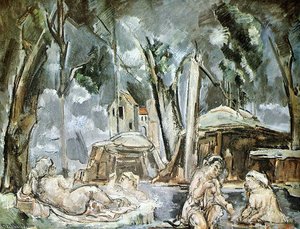
 Bathers
36
 untitled (2499)
37
 untitled (283)
38
 untitled (3830)
39
 untitled (7071)
40
 SummerSmithsonian American Art Museum
41
 Family Reunion
42
 untitled (8842)
43
 untitled (8566)
44
 untitled (5960)
45
 untitled (5086)
46
 untitled (2675)
47
 The Jewish Museum, New York
48
 Jewish Museum Sabbath
49
 untitled (3350)
50
 untitled (4114)
51
 Study For Russian Ballet
52
 untitled (376)
53
 untitled (612)
54
 untitled (348)
55
 Russian Ballet
56
 untitled (8120)
57
 untitled (5552)
58
 untitled (7412)
59
 untitled (1253)
60
 untitled (5066)
61
 untitled (2282)
62
 untitled (2592)
63
 untitled (7578)
64
 untitled (5875)
65
 untitled (4311)
66
 untitled (3637)
67
 untitled (608)
68
 untitled (6242)
69
 Portrait Of Abraham Walkowitz
70
 untitled (5637)
71
 Abbey Mill In Shrewsbury
72
 An Oblique
73
 untitled (635)
74
 untitled (9780)
75
 untitled
Nämä neljä aihetta toistuvat näissä alkuperäisteoksissa useimmin, jokaisesta löytyy hienoin esimerkki.
Tämän sivun teoksista eniten sisältävät 8 museota.
| Museo | Kaupunki | Max Weber teokset | Tämän listan maalaukset |
|---|---|---|---|
 The Phillips Collection |
Washington, D.C. | 5 | High Noon, Colonial Bowl, Rabbi |
 Brooklynin museo |
Brooklyn | 2 | The Visit, The Cellist |
 John and Mable Ringlingin taidemuseo |
Sarasota | 1 | Untitled (Still Life) |
 Museum of Fine Arts |
Boston | 1 | Path in the Woods |
 Whitney Museum of American Art |
New York | 1 | Adoration of the Moon |
 Art Institute of Chicago |
Chicago | 1 | Still Life |
 Metropolitan Museum of Art |
New York | 1 | Pacific Coast |
 Smithsonian American Art Museum |
Washington, D.C. | 1 | Summer |
Valitse vuosikymmen nähdäksesi sen määrittäneen alkuperäisteoksen.
Gauguin Girl (1907). Seuraavina ovat Figures in a Landscape (1911) ja Woman Reading (1916).
26 vuotta vanha: Gauguin Girl on peräisin vuodelta 1907, ja Max Weber on syntynyt vuonna 1881.
Gauguin Girl, Figures in a Landscape, Woman Reading, Untitled (Still Life), Path in the Woods, untitled (1109), untitled (2416), untitled (5652), untitled (8675) ja untitled (7238). Yllä oleva sijoitus kertoo kunkin teoksen vuosiluvun ja museon.
Katalogissamme on 76 teosta taiteilijalta Max Weber, aikaväliltä 1907–1952.
Pääasiassa The Phillips Collection (Washington, D.C.), Brooklynin museo (Brooklyn) ja John and Mable Ringlingin taidemuseo (Sarasota). Yllä oleva museotaulukko listaa ne kaikki.
Aikakaudella 1940s: 5 sivun 75 teoksista on tehty silloin, joista Untitled (Still Life).
Tällä sivulla vanhin on Gauguin Girl (1907) ja uusin Pacific Coast (1952).
Nude figures (3), Melancholy mood (2) ja American art (2), yhteensä 75 teosta tällä sivulla.
Cubism, tämän sivun alkuperäisteosten perusteella.
High Noon, Colonial Bowl ja Rabbi: The Phillips Collection, Washington, D.C. -ssä on 5 tämän sivun teoksista.