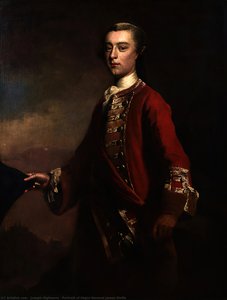
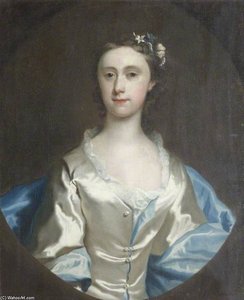
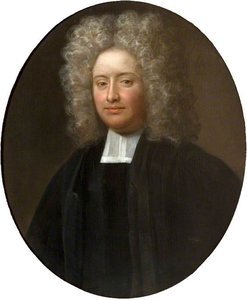
Joseph Highmore muotokuva

100 tunnetuinta Joseph Highmore -maalausta, jokainen ainutlaatuinen

Päivitetty lokakuu 2026 · järjestetty suosituimmuuspisteiden mukaan (jokaisen teoksen haut, vierailut ja tilaukset) · 152 teosta taiteilijalta Joseph Highmore luettelossamme

Lyhyesti

Pamela fainting (1743) on se Joseph Highmore -maalaus, joka herättää eniten huomiota; alkuperäisteos kuuluu museolle National Gallery of Victoria, Melbourne. Sen jälkeen katse siirtyy kohteisiin Self-portrait (1740) ja Miss Hamilton (1735). Joseph Highmorein 152 teoksemme joukosta nämä 100 ovat kuuluisimpia; jokainen on ainutlaatuinen alkuperäisteos, joka on esitelty vuosiluvun, museon ja sen syyn kera, miksi teos on säilyttänyt suosionsa.

1692 – 1780, Lontoo Rococo Eniten teoksia: National Portrait Gallery

Joseph Highmore -taiteilijan 10 parasta maalausta gallerian silmin

1
Pamela fainting (1743) tekijä Joseph Highmore

Pamela fainting

1743 · Oil On Canvas · National Gallery of Victoria, Melbourne

Joseph Highmore painted Pamela fainting between 1743 and 1744. This oil on canvas captures a heavy, breathless moment of crisis. The scene draws its narrative from the novel Pamela, or Virtue Rewarded. It focuses on the immediate aftermath of a failed attempt at sexual violence, a moment where the air in the room seems to have vanished.

2
Self-portrait (1740) tekijä Joseph Highmore

Self-portrait

1740 · Oil On Canvas · National Gallery of Victoria, Melbourne

Joseph Highmore’s Self-portrait, executed in oil on canvas, dates to about 1745-1747. The work presents the artist in a dual capacity, projecting the persona of both a professional artist and an educated gentleman. This careful construction of identity reflects the social aspirations of the mid-eighteenth century.

3
Miss Hamilton (1735) tekijä Joseph Highmore

Miss Hamilton

1735 · Oil On Canvas · Detroit Institute of Arts, Detroit

Miss Hamilton is an oil on canvas portrait by the English artist Joseph Highmore. Created in 1735, this European painting captures a moment of quiet poise. Highmore, who lived from 1692 to 1780, was a significant figure in the development of British portraiture during the eighteenth century.

4
Mr. Oldham and his Friends (1750) tekijä Joseph Highmore

Mr. Oldham and his Friends

1750 · Oil On Canvas · Tate Gallery, Lontoo

In the soft, amber glow of an imagined mid-eighteenth-century evening, Joseph Highmore’s “Mr. Oldham and his Friends” invites the viewer to step into a world of refined leisure and quiet intellectual intimacy. Painted in 1750, this masterpiece serves as a window into the heart of Georgian England, capturing a moment that transcends mere portraiture to become a celebration of social bond and shared experience. The composition centers on four gentlemen…

6
Mrs. Freeman Flower (1747) tekijä Joseph Highmore

Mrs. Freeman Flower

1747 · Oil On Canvas · Art Institute of Chicago, Chicago

This oil on canvas portrait, titled Mrs. Freeman Flower, was executed by Joseph Highmore in 1747. The work functions as a formal representation of the sitter, Mrs. Freeman Flower, capturing her likeness during the mid-eighteenth century. Highmore, a significant figure in English portraiture, utilized this composition to document the subject's presence and social standing.

Joseph Highmoren kuuluisia maalauksia, numerot 11–100

11Portrait of Major-General James Wolfe tekijä Joseph HighmorePortrait of Major-General James Wolfe 12Pamela and Lady Davers tekijä Joseph HighmorePamela and Lady DaversNational Gallery of Victoria 13Pamela preparing to go home tekijä Joseph HighmorePamela preparing to go homeNational Gallery of Victoria 14Sir John Barnard tekijä Joseph HighmoreSir John Barnard 15Mrs Elizabeth Birch And Her Daughter tekijä Joseph HighmoreMrs Elizabeth Birch And Her DaughterFitzwilliam Museum 16Equestrian Portrait Of King George Ii tekijä Joseph HighmoreEquestrian Portrait Of King George Ii 17Anne tekijä Joseph HighmoreAnne 18Portrait Of A Lady tekijä Joseph HighmorePortrait Of A Lady 19The Good Samaritan tekijä Joseph HighmoreThe Good Samaritan 20Mr Matthew Bell tekijä Joseph HighmoreMr Matthew Bell 21Sir Willoughby Aston And His Wife tekijä Joseph HighmoreSir Willoughby Aston And His Wife 22Sackville Tufton tekijä Joseph HighmoreSackville Tufton 23An Unknown Man In Black tekijä Joseph HighmoreAn Unknown Man In BlackYale Center for British Art 24Samuel Richardson tekijä Joseph HighmoreSamuel RichardsonNational Portrait Gallery 25Portrait Of Thomas Fermor tekijä Joseph HighmorePortrait Of Thomas Fermor 26Portrait Of A Lady tekijä Joseph HighmorePortrait Of A Lady 27Isaac Hawkins Browne tekijä Joseph HighmoreIsaac Hawkins Browne 28Captain William Gordon tekijä Joseph HighmoreCaptain William GordonNational Maritime Museum 29Portrait Of A Gentleman tekijä Joseph HighmorePortrait Of A Gentleman 30King George Ii tekijä Joseph HighmoreKing George Ii 31Painting of British general James Wolfe tekijä Joseph HighmorePainting of British general James Wolfe 32Pamela Shows Mr Williams A Hiding Place For Their Letters tekijä Joseph HighmorePamela Shows Mr Williams A Hiding Place For Their LettersFitzwilliam Museum 33Portrait Of A Boy tekijä Joseph HighmorePortrait Of A Boy 34Thomas Ripley tekijä Joseph HighmoreThomas Ripley 35William Fellowes Of Shotesham tekijä Joseph HighmoreWilliam Fellowes Of Shotesham 36General James Wolfe tekijä Joseph HighmoreGeneral James Wolfe 37Thomas Ripley tekijä Joseph HighmoreThomas RipleyNational Portrait Gallery 38Francis Godolphin Iv tekijä Joseph HighmoreFrancis Godolphin Iv 39Pettifer tekijä Joseph HighmorePettifer 40James Jurin tekijä Joseph HighmoreJames Jurin 41Portrait Of A Lady tekijä Joseph HighmorePortrait Of A Lady 42Portrait Of A Woman tekijä Joseph HighmorePortrait Of A Woman 43John Owen tekijä Joseph HighmoreJohn Owen 44Edward Young tekijä Joseph HighmoreEdward Young 45George Ii tekijä Joseph HighmoreGeorge Ii 46Mr Oldham And His Guests tekijä Joseph HighmoreMr Oldham And His GuestsTate Britain 47John Duncombe tekijä Joseph HighmoreJohn Duncombe 48Andrew Bell tekijä Joseph HighmoreAndrew Bell 49A Gentleman In A Brown Velvet Coat tekijä Joseph HighmoreA Gentleman In A Brown Velvet Coat 50Peg Woffington tekijä Joseph HighmorePeg Woffington 51Four Men Seated At A Table tekijä Joseph HighmoreFour Men Seated At A Table 52Captain William Gordon tekijä Joseph HighmoreCaptain William Gordon 53Peter Upcher Of Sudbury, Jp tekijä Joseph HighmorePeter Upcher Of Sudbury, Jp 54Arthur Onslow tekijä Joseph HighmoreArthur Onslow 55Lancelot Blackburne tekijä Joseph HighmoreLancelot Blackburne 56Jane Colchester tekijä Joseph HighmoreJane Colchester 57Portrait Of A Man tekijä Joseph HighmorePortrait Of A Man 58Samuel Richardson tekijä Joseph HighmoreSamuel RichardsonNational Portrait Gallery 59Anne Furness tekijä Joseph HighmoreAnne Furness 60William Wrightson tekijä Joseph HighmoreWilliam Wrightson 61John Montagu tekijä Joseph HighmoreJohn MontaguNational Portrait Gallery 62Rear Admiral Charles Fanshawe tekijä Joseph HighmoreRear Admiral Charles Fanshawe 63Mrs Dulcibella Bell tekijä Joseph HighmoreMrs Dulcibella Bell 64Abraham De Moivre tekijä Joseph HighmoreAbraham De Moivre 65Frances Maria Fountayne tekijä Joseph HighmoreFrances Maria Fountayne 66Sarah Morse tekijä Joseph HighmoreSarah Morse 67William Duncombe tekijä Joseph HighmoreWilliam Duncombe 68Miss Taylor tekijä Joseph HighmoreMiss Taylor 69John St John tekijä Joseph HighmoreJohn St John 70Portrait Of A Man tekijä Joseph HighmorePortrait Of A ManBirmingham Museum and Art Gallery 71Pamela Is Married tekijä Joseph HighmorePamela Is Married 72Portrait Of A Lady tekijä Joseph HighmorePortrait Of A LadyDulwichin taidegalleria 73Charles Penruddocke tekijä Joseph HighmoreCharles PenruddockeYale Center for British Art 74Admiral George Byng tekijä Joseph HighmoreAdmiral George Byng 75Isaac Hawkins Browne tekijä Joseph HighmoreIsaac Hawkins Browne 76The Children Of Hughes Minet tekijä Joseph HighmoreThe Children Of Hughes Minet 77Portrait Of A Divine, Laurence Degge tekijä Joseph HighmorePortrait Of A Divine, Laurence Degge 78John Collett tekijä Joseph HighmoreJohn Collett 79Elizabeth Carter tekijä Joseph HighmoreElizabeth Carter 80David Le Marchand, tekijä Joseph HighmoreDavid Le Marchand,National Portrait Gallery 81Anthony highmore tekijä Joseph HighmoreAnthony highmore 82Mr B. Finds Pamela Writing tekijä Joseph HighmoreMr B. Finds Pamela Writing 83Morgan Morse tekijä Joseph HighmoreMorgan Morse 84John Smith tekijä Joseph HighmoreJohn Smith 85Elizabeth Lee tekijä Joseph HighmoreElizabeth Lee 86Reverend Joseph Avery Of Kirby-le-soken tekijä Joseph HighmoreReverend Joseph Avery Of Kirby-le-soken 87Reverend Edmund Tew tekijä Joseph HighmoreReverend Edmund Tew 88Mary Alford, Nee Standish tekijä Joseph HighmoreMary Alford, Nee Standish 89Thomas Pennant tekijä Joseph HighmoreThomas PennantNational Library of Wales 90Robert Wynne tekijä Joseph HighmoreRobert WynneNational Library of Wales 91Portrait Of A Lady Of The Fanshawe Family tekijä Joseph HighmorePortrait Of A Lady Of The Fanshawe FamilyNetherlands Open Air Museum 92Henry Stebbing tekijä Joseph HighmoreHenry StebbingNational Portrait Gallery 93Called 'john Beard tekijä Joseph HighmoreCalled 'john Beard 94William Wilberforce tekijä Joseph HighmoreWilliam Wilberforce 95Francis Swanton tekijä Joseph HighmoreFrancis Swanton 96Elizabeth Rooper tekijä Joseph HighmoreElizabeth RooperCanons Ashby House 97An Unknown Man tekijä Joseph HighmoreAn Unknown ManYale Center for British Art 98Issac Welman tekijä Joseph HighmoreIssac WelmanUpton House 99Portrait Of A Man tekijä Joseph HighmorePortrait Of A Man 100John Whitehall Of Furnivall's Inn tekijä Joseph HighmoreJohn Whitehall Of Furnivall's InnBirmingham Museum and Art Gallery

Joseph Highmoren kuuluisat maalaukset aikakausittain

Aiheet, jotka vangitsivat Joseph Highmorein katseen

Nämä neljä aihetta toistuvat näissä alkuperäisteoksissa useimmin, jokaisesta löytyy hienoin esimerkki.

Museot, joissa Joseph Highmore'n alkuperäisteokset sijaitsevat

Tämän sivun teoksista eniten sisältävät 8 museota.

Museo Kaupunki Joseph Highmore teokset Tämän listan maalaukset
National Portrait Gallery, LontooNational Portrait Gallery Lontoo 6 Samuel Richardson, Thomas Ripley, Samuel Richardson
National Gallery of Victoria, MelbourneNational Gallery of Victoria Melbourne 4 Pamela fainting, Self-portrait, Pamela and Lady Davers
Yale Center for British Art, New HavenYale Center for British Art New Haven 11 An Unknown Man In Black, Charles Penruddocke, An Unknown Man
Fitzwilliam MuseumFitzwilliam Museum 5 Mrs Elizabeth Birch And Her Daughter, Pamela Shows Mr Williams A Hiding Place For Their Letters
Birmingham Museum and Art Gallery, BirminghamBirmingham Museum and Art Gallery Birmingham 2 Portrait Of A Man, John Whitehall Of Furnivall's Inn
National Library of Wales, AberystwythNational Library of Wales Aberystwyth 2 Thomas Pennant, Robert Wynne
Art Institute of Chicago, ChicagoArt Institute of Chicago Chicago 2 Mrs. Freeman Flower
Tate Britain, LontooTate Britain Lontoo 2 Mr Oldham And His Guests

Joseph Highmore vuosikymmenten varrelta: jokaisesta yksi ainutlaatuinen alkuperäisteos

Teokset vuosikymmenittäin

Valitse vuosikymmen nähdäksesi sen määrittäneen alkuperäisteoksen.

Joseph Highmoren maalaukset: kysymyksiä gallerialle

Mikä on Joseph Highmore tunnetuin teos?Paljasta vastaus

Pamela fainting (1743), National Gallery of Victoria, Melbourne. Seuraavina ovat Self-portrait (1740) ja Miss Hamilton (1735).

Missä iässä Joseph Highmore loi teoksen Pamela fainting?Paljasta vastaus

51 vuotta vanha: Pamela fainting on peräisin vuodelta 1743, ja Joseph Highmore on syntynyt vuonna 1692.

Mitkä ovat Joseph Highmore kymmenen kuuluisinta maalausta?Paljasta vastaus

Pamela fainting, Self-portrait, Miss Hamilton, Mr. Oldham and his Friends, Portr. of a lady, Mrs. Freeman Flower, The Family Of E. Lancelot Lee, Portrait of a Lady, Portrait Of Queen Caroline Of Ansbach ja James Wigley Of Scraptoft Hall. Yllä oleva sijoitus kertoo kunkin teoksen vuosiluvun ja museon.

Kuinka monta Joseph Highmore -teosta tunnetaan?Paljasta vastaus

Katalogissamme on 152 teosta taiteilijalta Joseph Highmore, aikaväliltä 1735–1750.

Missä voi nähdä tunnetuimmat Joseph Highmore -alkuperäisteokset?Paljasta vastaus

Pääasiassa National Portrait Gallery (Lontoo), National Gallery of Victoria (Melbourne) ja Yale Center for British Art (New Haven). Yllä oleva museotaulukko listaa ne kaikki.

Mihin ajanjaksoon Joseph Highmore tunnituimmat maalauksensa sijoittuvat?Paljasta vastaus

Aikakaudella 1730s: 3 sivun 100 teoksista on tehty silloin, joista Miss Hamilton.

Mikä on Joseph Highmore kuuluisimmista maalauksista varhaisin ja mikä uusin?Paljasta vastaus

Tällä sivulla vanhin on Miss Hamilton (1735) ja uusin Mr. Oldham and his Friends (1750).

Mitä aiheita Joseph Highmore suosi?Paljasta vastaus

18th century (15), Portrait (14) ja Portraits (12), yhteensä 100 teosta tällä sivulla.

Mitä materiaaleja Joseph Highmore käytti eniten?Paljasta vastaus

Oil On Canvas, 5 teoksesta sivun 100 teoksesta.

Mihin taidesuuntaukseen Joseph Highmore kuuluu?Paljasta vastaus

Rococo, tämän sivun alkuperäisteosten perusteella.

Mitä Joseph Highmore alkuperäisteoksia voin nähdä museossa National Portrait Gallery?Paljasta vastaus

Samuel Richardson, Thomas Ripley ja Samuel Richardson: National Portrait Gallery, Lontoo -ssä on 6 tämän sivun teoksista.

Joseph Highmore: taiteilijan muotokuva

A Life Dedicated to Likeness and Narrative

Joseph Highmore, born in London in 1692, emerged as a pivotal figure within the evolving landscape of 18th-century English art. His journey began amidst familial expectations geared towards a legal career—a path he ultimately abandoned at seventeen to wholeheartedly pursue his artistic inclinations. This decisive turn led him to the studios of Sir Godfrey Kneller and anatomy lectures delivered by William Cheselden, foundational experiences that shaped his technical skill and profound understanding of the human form. Initially influenced by the grand Baroque tradition exemplified by Kneller, Highmore’s style would gradually embrace the more delicate aesthetics of the Rococo period, a shift reflective of broader cultural currents sweeping across Europe. He wasn't merely a painter; he was a keen observer of society, and his canvases became mirrors reflecting the lives, manners, and moral concerns of Georgian England.

Early Influences and Artistic Training

Highmore’s formative years were marked by rigorous artistic training—a cornerstone of his enduring success. At seventeen, recognizing his innate talent for painting rather than law, he decisively enrolled in Sir Godfrey Kneller's Academy in London, immersing himself in the techniques of portraiture and mastering the art of capturing likeness with unparalleled accuracy. This apprenticeship under Kneller instilled within him a deep appreciation for Baroque composition and anatomical precision—influences that would permeate his subsequent works. Furthermore, Highmore’s attendance at anatomy lectures delivered by William Cheselden provided invaluable insight into human musculature and skeletal structure, bolstering his ability to depict figures realistically and conveying emotion through subtle gestures. These experiences solidified his artistic vision and established him as a student of the highest caliber—a testament to his unwavering dedication to mastering the craft of painting.

Royal Patronage and Artistic Flourishing

Highmore’s early career benefited significantly from royal patronage, particularly during the 1730s and 40s. This privileged access afforded him commissions to portray prominent figures such as King George II and General James Wolfe—portraits that transcended mere visual representation; they captured not only physical appearance but also psychological depth and commanding presence. The resulting canvases stand as enduring symbols of Georgian grandeur, demonstrating Highmore’s exceptional skill in conveying character and capturing the spirit of his era. His journey through the Netherlands and France between 1732 and 1734 further broadened his artistic horizons, exposing him to the masterpieces of Rubens and van Dyck—artists whose stylistic innovations profoundly impacted European painting during the Baroque period. These encounters fueled Highmore’s creative imagination and solidified his commitment to exploring diverse artistic traditions.

The Rococo Style: Elegance and Sentiment

As the 18th century progressed, Highmore's style underwent a gradual transformation, aligning itself with the burgeoning Rococo aesthetic—a movement characterized by lightness, ornamentation, and an emphasis on sensual beauty. Unlike the solemn grandeur of Baroque art, Rococo embraced pastel hues, flowing drapery, and delicate floral motifs—elements that reflected the aristocratic tastes of the time. Highmore skillfully incorporated these stylistic conventions into his portraits, creating images imbued with grace and refinement. His canvases conveyed a sense of intimacy and emotional nuance—a departure from the formal rigidity of earlier works—demonstrating his adaptability as an artist and his responsiveness to evolving cultural sensibilities. This stylistic evolution underscores Highmore’s ability to synthesize influences from various artistic traditions while maintaining his distinctive artistic voice.

Legacy: Conversation Pieces and Enduring Influence

Highmore's contribution to English art extended beyond portraiture into the realm of genre painting, specifically “conversation pieces”—group portraits depicting families or friends engaged in informal gatherings—a genre where he excelled at capturing social dynamics and conveying nuanced emotions. These works served as windows into Georgian domestic life, offering glimpses into family relationships, leisure activities, and intellectual pursuits. Highmore’s meticulous attention to detail—particularly in portraying facial expressions and body postures—elevated conversation pieces to a new level of artistic sophistication. His canvases continue to fascinate viewers today, providing invaluable insights into the social customs and aesthetic ideals of his time. Moreover, Highmore's influence can be discerned in subsequent generations of English painters who adopted Rococo principles and sought to emulate his masterful technique—a testament to his enduring legacy as a pioneer of British art history. He passed away in 1780, aged eighty-seven, leaving behind a remarkable oeuvre that embodies the elegance and intellectual curiosity of the Georgian era.