


1


Päivitetty lokakuu 2026 · järjestetty suosituimmuuspisteiden mukaan (jokaisen teoksen haut, vierailut ja tilaukset) · 145 teosta taiteilijalta Gwen John luettelossamme
Lyhyesti
Self Portrait (1909) on se Gwen John -maalaus, joka herättää eniten huomiota. Sen jälkeen katse siirtyy kohteisiin Woman Holding a Flower (1915) ja A Young Nun (1917). Gwen Johnin 145 teoksemme joukosta nämä 100 ovat kuuluisimpia; jokainen on ainutlaatuinen alkuperäisteos, joka on esitelty vuosiluvun, museon ja sen syyn kera, miksi teos on säilyttänyt suosionsa.


 Young Woman Holding a Cat1920 · Yale Center for British Art
12
 Seated Girl Holding a Piece of Sewing1920
13
 The Convalescent1923 · Fitzwilliam Museum
14
 Young Woman in Mulberry Dress1923 · Yale Center for British Art
15
 The Convalescent1923 · Fitzwilliam Museum
16
 Seated Woman in a Broad-Brimmed HatYale Center for British Art
17
 The ConvalescentNational Gallery of Art
18
 Life study, Female Nude
19
 Life study, Female Nude 1
20
 A century of women's fashions
21
 Self-portrait 2
22
 Portrait of Auguste Rodin
23
 General Mangin
24
 Sketch of Two women Talking
25
 Girl Holding a Cat
26
 General Serrail
27
 Monsieur Venizelos
28
 L’Académie Colarossi Night Class illustrated in the Lady’s Realm
29
 Drawing of a Sculpture of a Woman wiyh Trees
30
 General Gouraud
31
 Portrait of a Lady 1
32
 untitled (3290)
33
 Portrait of a Woman. Chloe Boughton-Leigh
34
 Study of a Girl Holding a Doll
35
 mother Poussepin
36
 untitled (2064)MoMA - Museum of Modern Art
37
 The Victorian Sisters
38
 The PilgrimYale Center for British Art
39
 Girl in a Blue Hat
40
 Study of Rodin's Danaid
41
 untitled (5764)
42
 Nude Girl
43
 Seated female nude
44
 Young Woman Holding a Black Cat
45
 Girl with Cat
46
 Girl with Bare Shoulders
47
 untitled (9957)National Gallery of Victoria
48
 A Nun on her Deathbed
49
 Profile study of a Poilu
50
 Autoportrait à la lettre
51
 Study of a boy
52
 Young Woman Reading a Paper
53
 Seated lady by a window
54
 Two hatted women in church
55
 Chloë Boughton-Leigh
56
 Interior with FiguresNational Gallery of Victoria
57
 Portrait of a Lady
58
 Portrait of Marie Hamonet
59
 Study of a Child
60
 Girl in a Blue Dress holding a Piece of Sewing
61
 The Convalescent
62
 untitled (9184)Tate Britain
63
 The precious Book
64
 Dorelia in a Black Dress
65
 Louise Gautier seated with her hands in her lap
66
 Girl in Rose
67
 The Student
68
 Cat
69
 Young Girl with Bobbed Hair
70
 Seated girl
71
 Self-portrait
72
 Mère Poussepin Seanted at a Table
73
 Girl Reading at the Window
74
 Half Length of a Girl with clasped Hands
75
 La Chambre sur la CourYale Center for British Art
76
 Self-portrait 1National Portrait Gallery
77
 A Lady Reading
78
 Girl Posing in a Hat with Tassels
79
 Study of Child
80
 Interior1915 · Clevelandin taidemuseo
81
 The Brown Tea Pot1915 · Yale Center for British Art
82
 Vase of Flowers1920 · National Library of Wales
83
 Rooftop: View from the Artist's Studio1920 · National Library of Wales
84
 Rooftop and Pathway: View from the Artist's Studio1920 · National Library of Wales
85
 Rooftop and Lane: View from the Artist's Studio1920 · National Library of Wales
86
 Hut with Sky, Trees and Rooftops: View from the Artist's Studio1920 · National Library of Wales
87
 Hut with Sky and Trees: View from the Artist's Studio1920 · National Library of Wales
88
 House: View from the Artist's Studio1920 · National Library of Wales
89
 House with Sky and Trees: View from the Artist's Studio1920 · National Library of Wales
90
 House Surrounded by Trees: View from the Artist's Studio1920 · National Library of Wales
91
 Hillside: View from the Artist's Studio1920 · National Library of Wales
92
 Hill with Two Figures: View from the Artist's Studio1920 · National Library of Wales
93
 Composition1920
94
 Rue Terre Neuve, Meudon1920 · Yale Center for British Art
95
 Rue Terre Neuve, Meudon1920 · National Gallery of Art
96
 The Little Interior1925
97
 Head of a Woman1910 · British Council
98
 Still Life with a Prayer Book, Shawl, Vase of Flowers and InkwellYale Center for British Art
99
 untitled (5646)
100
 untitled (7551)
Nämä neljä aihetta toistuvat näissä alkuperäisteoksissa useimmin, jokaisesta löytyy hienoin esimerkki.
Tämän sivun teoksista eniten sisältävät 8 museota.
| Museo | Kaupunki | Gwen John teokset | Tämän listan maalaukset |
|---|---|---|---|
 National Library of Wales |
Aberystwyth | 12 | Vase of Flowers, Rooftop: View from the Artist's Studio, Rooftop and Pathway: View from the Artist's Studio |
 Yale Center for British Art |
New Haven | 11 | Study of a Nun, Woman Posing in a Hat, Young Woman Holding a Cat |
 Fitzwilliam Museum |
2 | The Convalescent, The Convalescent | |
 National Gallery of Art |
Washington | 2 | The Convalescent, Rue Terre Neuve, Meudon |
 National Gallery of Victoria |
Melbourne | 2 | untitled (9957), Interior with Figures |
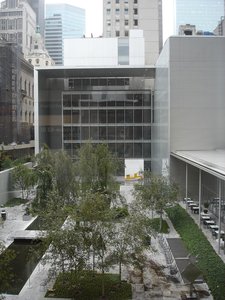 MoMA - Museum of Modern Art |
New York | 2 | untitled (2064) |
 Birmingham Museum and Art Gallery |
Birmingham | 1 | Woman Holding a Flower |
 Scottish National Gallery of Modern Art |
Edinburgh | 1 | A Young Nun |
Valitse vuosikymmen nähdäksesi sen määrittäneen alkuperäisteoksen.
Self Portrait (1909). Seuraavina ovat Woman Holding a Flower (1915) ja A Young Nun (1917).
33 vuotta vanha: Self Portrait on peräisin vuodelta 1909, ja Gwen John on syntynyt vuonna 1876.
Self Portrait, Woman Holding a Flower, A Young Nun, Study of a Nun, Woman with Cloak, Bust of a Girl with a Bow Before a Pink Background, Young Woman in a Grey Cloak, The Nun, Portrait of a Girl in Grey [Girl in Grey with Rosary] ja Woman Posing in a Hat. Yllä oleva sijoitus kertoo kunkin teoksen vuosiluvun ja museon.
Katalogissamme on 145 teosta taiteilijalta Gwen John, aikaväliltä 1909–1925.
Pääasiassa National Library of Wales (Aberystwyth), Yale Center for British Art (New Haven) ja Fitzwilliam Museum. Yllä oleva museotaulukko listaa ne kaikki.
Aikakaudella 1920s: 25 sivun 100 teoksista on tehty silloin, joista Woman with Cloak.
Tällä sivulla vanhin on Self Portrait (1909) ja uusin The Little Interior (1925).
Women (15), Portrait (11) ja Girls (9), yhteensä 100 teosta tällä sivulla.
Contemporary realism ja Modernism, tämän sivun alkuperäisteosten perusteella.
Vase of Flowers, Rooftop: View from the Artist's Studio ja Rooftop and Pathway: View from the Artist's Studio: National Library of Wales, Aberystwyth -ssä on 11 tämän sivun teoksista.