Gislebertus muotokuva

11 tunnetuinta Gislebertus -maalausta, jokainen ainutlaatuinen

Päivitetty lokakuu 2026 · järjestetty suosituimmuuspisteiden mukaan (jokaisen teoksen haut, vierailut ja tilaukset) · 11 teosta taiteilijalta Gislebertus luettelossamme

Lyhyesti

Tympanum of the main portal (detail) (1130) on se Gislebertus -maalaus, joka herättää eniten huomiota; alkuperäisteos kuuluu museolle Autunin Saint Lazaren katedraali, Autun. Sen jälkeen katse siirtyy kohteisiin Pilgrims (1120) ja Last Judgment (detail) (1130). Gislebertusin 11 teoksemme joukosta nämä 11 ovat kuuluisimpia; jokainen on ainutlaatuinen alkuperäisteos, joka on esitelty vuosiluvun, museon ja sen syyn kera, miksi teos on säilyttänyt suosionsa.

1120 – 1135 Romanesque Eniten teoksia: Autunin Saint Lazaren katedraali

Gislebertus -taiteilijan 10 parasta maalausta gallerian silmin

1
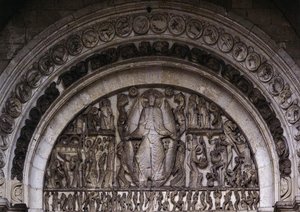
Tympanum of the main portal (detail) (1130) tekijä Gislebertus

Tympanum of the main portal (detail)

1130 · Stone · Autunin Saint Lazaren katedraali, Autun

The Tympanum of the main portal (detail) by Gislebertus emerges from the stone of the Saint-Lazare Cathedral in Autun, France. Created about 1130, this relief captures a profound moment of divine reckoning. It presents a scene from the Last Judgment, where the boundaries between the earthly and the eternal seem to dissolve. The figures move with a frantic, stylized energy that defines the Romanesque style. Every carved line speaks to…

2
Pilgrims (1120) tekijä Gislebertus

Pilgrims

1120 · Stone · Autunin Saint Lazaren katedraali, Autun

In the stone of Saint Lazare Cathedral in Autun, France, the relief titled Pilgrims captures a moment of quiet devotion. Created by the French Romanesque sculptor Gislebertus about 1120, the work depicts figures caught in a singular act of prayer. These travelers move through the heavy, carved medium to find a stillness in the midst of their movement. The stone holds the weight of their supplication.

3
Last Judgment (detail) (1130) tekijä Gislebertus

Last Judgment (detail)

1130 · Stone · Autunin Saint Lazaren katedraali, Autun

The work before us is the Last Judgment (detail) by Gislebertus. This relief carving, created about 1130, offers a focused view of the profound theological drama unfolding within the Saint-Lazare Cathedral in Autun, France. It is situated within the Кафедральний собор Святого Лазаря в Отюні, Autun, where it remains a central element of the cathedral's architectural and spiritual program.

10
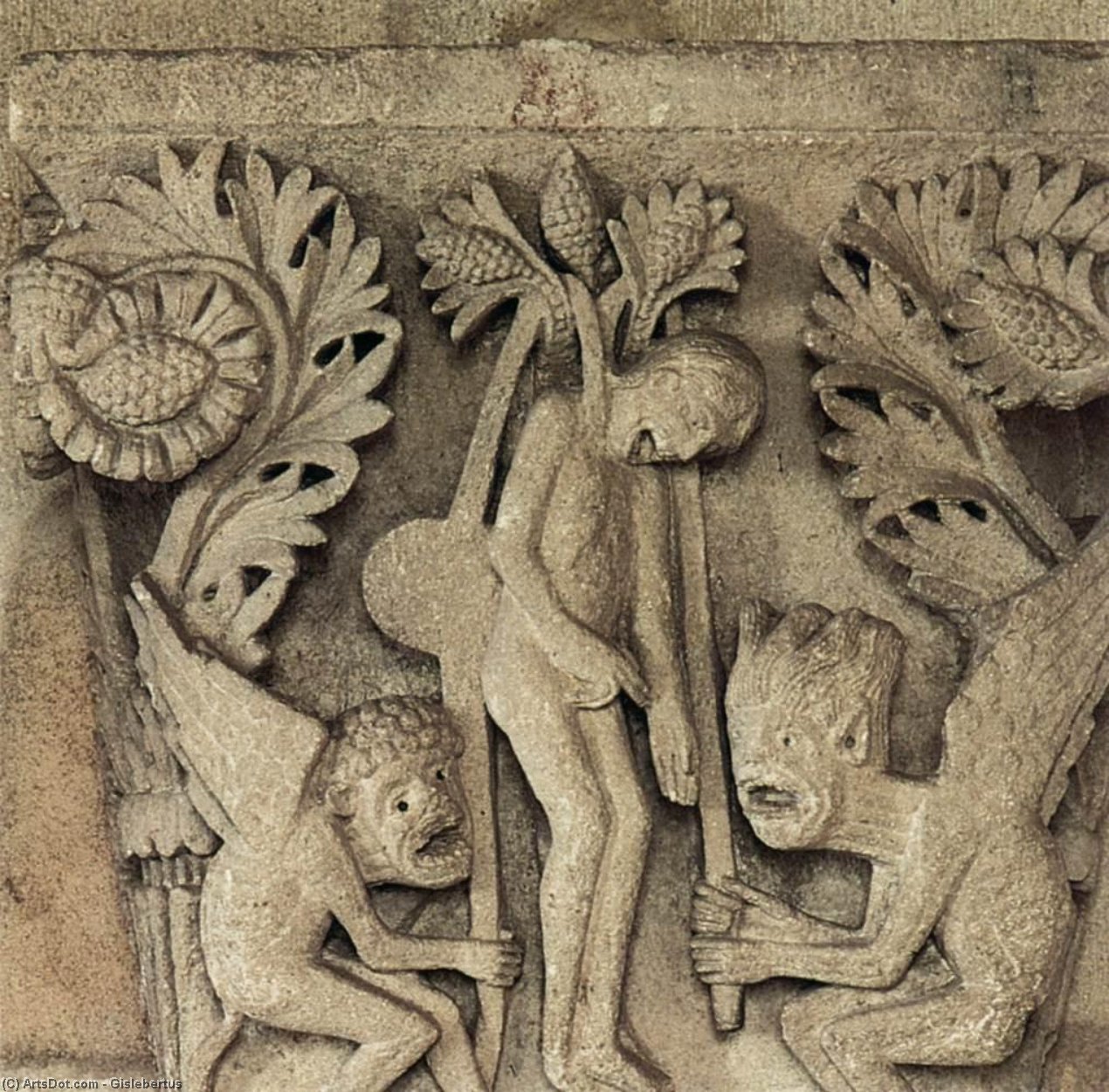
Judasin itsemurha (1120) tekijä Gislebertus

Judasin itsemurha

1120 · Akryyli kankaalle · Autunin Saint Lazaren katedraali, Autun

Gislebertus ja Autun Kathedralin ”Kuoleman Tuomio” – Juudas Hangissa Gislebertus, nimi kaiverrettu kivelle ja kuiskattu vuosisatojen halki, seisoo Romaneskin suurta veistämistä käsittelevänä mestarina – erityisesti hänen merkittävänsä osuutensa Saint Lazare Kathedraliin Autunissa, Ranskassa. Syntynyt noin vuonna 1120, Gislebertus nousi Burgundin taiteelliseen maisemaan aikaan, joka oli syvästi muotoiltu uskonnolliseksi intohimoon ja kasvavaksi arkkitehtoniseksi kunnianhimoon. Hänen henkilökohtaisia tietojaan on vähän, mutta tutkijat ovat sitä mielestäni, että hän sai koulutuksensa Cluny Abbaalta, joka…

Gislebertusn kuuluisia maalauksia, numerot 11–11

Aiheet, jotka vangitsivat Gislebertusin katseen

Nämä neljä aihetta toistuvat näissä alkuperäisteoksissa useimmin, jokaisesta löytyy hienoin esimerkki.

Museot, joissa Gislebertus'n alkuperäisteokset sijaitsevat

Tämän sivun teoksista eniten sisältävät 2 museota.

Museo Kaupunki Gislebertus teokset Tämän listan maalaukset
Autunin Saint Lazaren katedraali, AutunAutunin Saint Lazaren katedraali Autun 9 Tympanum of the main portal (detail), Pilgrims, Last Judgment (detail)
Musée Rolin, AutunMusée Rolin Autun 1 Eve

Gislebertus vuosien varrelta: jokaisen ainutlaatuiset alkuperäisteokset

Kaikki täällä näkyvät päivätyt Gislebertus -alkuperäisteokset kuuluvat samalle vuodelle, 1130: ne on esitetty suosituimmuusjärjestyksessä.

Teokset vuosittain

Valitse vuosi nähdäksesi alkuperäisteokset.

Gislebertusn maalaukset: kysymyksiä gallerialle

Mikä on Gislebertus tunnetuin teos?Paljasta vastaus

Tympanum of the main portal (detail) (1130), Autunin Saint Lazaren katedraali, Autun. Seuraavina ovat Pilgrims (1120) ja Last Judgment (detail) (1130).

Missä iässä Gislebertus loi teoksen Tympanum of the main portal (detail)?Paljasta vastaus

10 vuotta vanha: Tympanum of the main portal (detail) on peräisin vuodelta 1130, ja Gislebertus on syntynyt vuonna 1120.

Mitkä ovat Gislebertus kymmenen kuuluisinta maalausta?Paljasta vastaus

Tympanum of the main portal (detail), Pilgrims, Last Judgment (detail), Dream of the Magi, Tympanum of the main portal, Eve, Last Judgment, Main portal, Last Judgment (detail) ja Judasin itsemurha. Yllä oleva sijoitus kertoo kunkin teoksen vuosiluvun ja museon.

Kuinka monta Gislebertus -teosta tunnetaan?Paljasta vastaus

Katalogissamme on 11 teosta taiteilijalta Gislebertus.

Missä voi nähdä tunnetuimmat Gislebertus -alkuperäisteokset?Paljasta vastaus

Pääasiassa Autunin Saint Lazaren katedraali (Autun) ja Musée Rolin (Autun). Yllä oleva museotaulukko listaa ne kaikki.

Mihin ajanjaksoon Gislebertus tunnituimmat maalauksensa sijoittuvat?Paljasta vastaus

Aikakaudella 1130: 7 sivun 11 teoksista on tehty silloin, joista Tympanum of the main portal (detail).

Mitä aiheita Gislebertus suosi?Paljasta vastaus

Medieval art (3), Autun cathedral (3) ja People (2), yhteensä 11 teosta tällä sivulla.

Mitä materiaaleja Gislebertus käytti eniten?Paljasta vastaus

Stone, 3 teoksesta sivun 11 teoksesta.

Mihin taidesuuntaukseen Gislebertus kuuluu?Paljasta vastaus

Romanesque, tämän sivun alkuperäisteosten perusteella.

Mitä Gislebertus alkuperäisteoksia voin nähdä museossa Autunin Saint Lazaren katedraali?Paljasta vastaus

Tympanum of the main portal (detail), Pilgrims ja Last Judgment (detail): Autunin Saint Lazaren katedraali, Autun -ssä on 9 tämän sivun teoksista.

Mistä voin tilata käsinmaalatun Gislebertus -reproksen?Paljasta vastaus

Kyllä, jäljennöksenä: alkuperäinen teos pysyy museossa, mutta minkä tahansa tämän sivun maalauksen voi maalata käsin juuri sinua varten – yksittäisenä tilaustyönä suoraan maalauksen omalta sivulta.

Gislebertus: taiteilijan muotokuva

Gislebertus: The Sculptor of Autun Cathedral’s Divine Vision

Gislebertus, a name etched in stone and whispered through the centuries, stands as one of the most remarkable figures of Romanesque sculpture. Specifically celebrated for his profound contribution to Saint Lazare Cathedral in Autym, France, he emerged from the fertile artistic landscape of Burgundy during a period profoundly shaped by religious fervor and burgeoning architectural ambition. Born sometime around 1120, Gislebertus lived through an era where art served as the primary language of the faithful. While biographical details remain scarce, scholars believe he was trained at Cluny Abbey, arguably the epicenter of European monastic art and intellectual life at the time. This formative experience instilled in him a deep understanding of biblical narratives and imbued his work with an unwavering devotion to Christian themes.

His initial role at Cluny involved assisting the master sculptor, cementing his position within a tradition prioritizing didactic storytelling—conveying moral lessons through visual representation. The cathedral’s ambitious project demanded exceptional skill, and Gislebertus quickly established himself as a pivotal talent. Recognizing the importance of providing solace to pilgrims afflicted with leprosy—a prevalent ailment during the 12th century—the Abbey envisioned Saint Lazare as more than just a place of worship; it was intended as a sanctuary for the marginalized. This vision profoundly impacted Gislebertus’ artistic sensibilities, prompting him to create reliefs that resonated with compassion and hope, featuring imagery designed to uplift those facing immense suffering.

Mastery of Emotion and Narrative Relief

The true genius of Gislebertus lies in his ability to translate complex theological concepts into visceral, physical forms. His work at Autun is characterized by a dramatic use of line and shadow that breathes life into the cold stone. In masterpieces such as the Suicide of Judas, created around 1120-30, he captures the raw horror and despair associated with treason. Through the depiction of hanging figures and menacing demonic entities, Gisleberus showcases an exceptional skill in capturing human psychological torment, a hallmark of the Romanesque style that pushes the boundaries of medieval expression.

Beyond the scenes of tragedy, his work also celebrates the spiritual journey of the faithful. In his Pilgrims relief, one can observe a powerful depiction of devotion, where strong lines and dramatic shadows emphasize the physical and spiritual weight of the pilgrimage. This ability to oscillate between the terrifying aspects of divine judgment and the quiet strength of religious perseverance makes his oeuvre uniquely captivating. His sculptures do not merely decorate a building; they act as a window into the medieval soul, inviting the viewer to contemplate the eternal struggle between good and evil.

Legacy and Historical Significance

The artistic development of Gislebertus represents a crucial bridge in the evolution of European art. While his roots are firmly planted in the Romanesque tradition of Cluny, his expressive power and narrative complexity hint at the burgeoning naturalism that would later define Gothic art. His work on the Dream of the Magi further demonstrates this sophisticated approach to storytelling, blending historical reverence with a sense of wonder.

The enduring significance of Gislebertus can be summarized through several key contributions:

  • Narrative Innovation: He transformed architectural elements like tympanums into complex, readable storybooks for the illiterate masses.
  • Emotional Depth: He moved beyond static iconography to introduce psychological depth and human emotion into stone sculpture.
  • Cluniac Influence: He carried the high intellectual and spiritual standards of Cluny Abbey into the public sphere of cathedral architecture.
  • Architectural Integration: His ability to harmonize intricate sculptural detail with the massive, heavy forms of Romanesque architecture remains a pinnacle of medieval craftsmanship.

Today, the works of Gislebertus remain some of the most studied and revered examples of 12th-century art. He remains a master whose hands, though long since returned to dust, continue to speak through the enduring stone of Autun, reminding us of a time when art was the ultimate vessel for the divine.

Kaikki 11 teosta taiteilijalta Gislebertus →