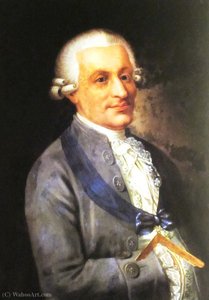
Georg David Matthieu muotokuva

19 tunnetuinta Georg David Matthieu -maalausta, jokainen ainutlaatuinen

Päivitetty marraskuu 2026 · järjestetty suosituimmuuspisteiden mukaan (jokaisen teoksen haut, vierailut ja tilaukset) · 21 teosta taiteilijalta Georg David Matthieu luettelossamme

Lyhyesti

Portrait of Charlotte of Mecklenburg-Strelitz (1762) on se Georg David Matthieu -maalaus, joka herättää eniten huomiota; alkuperäisteos kuuluu museolle National Portrait Gallery of Sweden, Strängnäs. Sen jälkeen katse siirtyy kohteisiin Joachim Ulrich Giese (1762) ja Portrait of a man in armour. Georg David Matthieuin 21 teoksemme joukosta nämä 19 ovat kuuluisimpia; jokainen on ainutlaatuinen alkuperäisteos, joka on esitelty vuosiluvun, museon ja sen syyn kera, miksi teos on säilyttänyt suosionsa.

1737 – 1778, Berlin Rococo Eniten teoksia: Staatliche Museen zu Berlin

Georg David Matthieu -taiteilijan 10 parasta maalausta gallerian silmin

1
Portrait of Charlotte of Mecklenburg-Strelitz (1762) tekijä Georg David Matthieu

Portrait of Charlotte of Mecklenburg-Strelitz

1762 · Oil On Canvas · National Portrait Gallery of Sweden, Strängnäs

In this 1762 oil on canvas, Georg David Matthieu presents a formal portrait of Charlotte of Mecklenburg-Strelitz. The subject, known as Queen Charlotta or Sofia Charlotta, held the titles of Princess of Mecklenburg-Strelitz and Queen of England. Matthieu, a German painter who served as a court painter, captures her presence with a focus on the dignity inherent to her station. The work is signed GD, Matthieu.

2
Joachim Ulrich Giese (1762) tekijä Georg David Matthieu

Joachim Ulrich Giese

1762 · Oil On Canvas · Staatliche Museen zu Berlin, Berliini

To gaze upon this portrait of Joachim Ulrich Giese is to step directly into the gilded salons of 18th-century Berlin. Painted in 1762 by Georg David Matthieu, the work transcends a mere likeness; it is a carefully constructed tableau of intellectual refinement and aristocratic grace. The very air surrounding the subject seems imbued with the delicate exuberance characteristic of the Rococo period. Everything about the composition whispers of an era…

5
The Wife of Joachim Ulrich Giese (1762) tekijä Georg David Matthieu

The Wife of Joachim Ulrich Giese

1762 · Oil On Canvas · Staatliche Museen zu Berlin, Berliini

Georg David Matthieu’s “The Wife of Joachim Ulrich Giese,” painted in 1762, is more than just a portrait; it's a meticulously crafted tableau of Rococo elegance and subtle psychological depth. Created during the height of Matthieu’s career – a period marked by his association with influential figures like Jakob Philipp Hackert and his service as court painter for the Duke of Mecklenburg – this work offers a captivating glimpse into…

Georg David Matthieun kuuluisia maalauksia, numerot 11–19

Aiheet, jotka vangitsivat Georg David Matthieuin katseen

Nämä neljä aihetta toistuvat näissä alkuperäisteoksissa useimmin, jokaisesta löytyy hienoin esimerkki.

Museot, joissa Georg David Matthieu'n alkuperäisteokset sijaitsevat

Tämän sivun teoksista eniten sisältävät 3 museota.

Museo Kaupunki Georg David Matthieu teokset Tämän listan maalaukset
Staatliche Museen zu Berlin, BerliiniStaatliche Museen zu Berlin Berliini 2 Joachim Ulrich Giese, The Wife of Joachim Ulrich Giese
National Portrait Gallery of Sweden, SträngnäsNational Portrait Gallery of Sweden Strängnäs 1 Portrait of Charlotte of Mecklenburg-Strelitz
National Museum in Warsaw, VarsovaNational Museum in Warsaw Varsova 1 Portrait of a man in armour

Georg David Matthieu vuosien varrelta: jokaisen ainutlaatuiset alkuperäisteokset

Kaikki täällä näkyvät päivätyt Georg David Matthieu -alkuperäisteokset kuuluvat samalle vuodelle, 1762: ne on esitetty suosituimmuusjärjestyksessä.

Teokset vuosittain

Valitse vuosi nähdäksesi alkuperäisteokset.

Georg David Matthieun maalaukset: kysymyksiä gallerialle

Mikä on Georg David Matthieu tunnetuin teos?Paljasta vastaus

Portrait of Charlotte of Mecklenburg-Strelitz (1762), National Portrait Gallery of Sweden, Strängnäs. Seuraavina ovat Joachim Ulrich Giese (1762) ja Portrait of a man in armour.

Missä iässä Georg David Matthieu loi teoksen Portrait of Charlotte of Mecklenburg-Strelitz?Paljasta vastaus

25 vuotta vanha: Portrait of Charlotte of Mecklenburg-Strelitz on peräisin vuodelta 1762, ja Georg David Matthieu on syntynyt vuonna 1737.

Mitkä ovat Georg David Matthieu kymmenen kuuluisinta maalausta?Paljasta vastaus

Portrait of Charlotte of Mecklenburg-Strelitz, Joachim Ulrich Giese, Portrait of a man in armour, Portrait of Amelie of Mecklenburg-Schwerin, The Wife of Joachim Ulrich Giese, Friedrich der Fromme, Portrait of Grand-duke Friedrich Franz I of Mecklenburg-Schwerin and his tutor, Portrait of duchess Ulrike Sophie of Mecklenburg, Louise Friderike of Württemberg ja Portrait johann carl dähnert. Yllä oleva sijoitus kertoo kunkin teoksen vuosiluvun ja museon.

Kuinka monta Georg David Matthieu -teosta tunnetaan?Paljasta vastaus

Katalogissamme on 21 teosta taiteilijalta Georg David Matthieu.

Missä voi nähdä tunnetuimmat Georg David Matthieu -alkuperäisteokset?Paljasta vastaus

Pääasiassa Staatliche Museen zu Berlin (Berliini), National Portrait Gallery of Sweden (Strängnäs) ja National Museum in Warsaw (Varsova). Yllä oleva museotaulukko listaa ne kaikki.

Mihin ajanjaksoon Georg David Matthieu tunnituimmat maalauksensa sijoittuvat?Paljasta vastaus

Aikakaudella 1762: 3 sivun 19 teoksista on tehty silloin, joista Portrait of Charlotte of Mecklenburg-Strelitz.

Mitä aiheita Georg David Matthieu suosi?Paljasta vastaus

Portraits (6), Royalty (4) ja Woman (2), yhteensä 19 teosta tällä sivulla.

Mitä materiaaleja Georg David Matthieu käytti eniten?Paljasta vastaus

Oil On Canvas, 3 teoksesta sivun 19 teoksesta.

Mihin taidesuuntaukseen Georg David Matthieu kuuluu?Paljasta vastaus

Rococo, tämän sivun alkuperäisteosten perusteella.

Mitä Georg David Matthieu alkuperäisteoksia voin nähdä museossa Staatliche Museen zu Berlin?Paljasta vastaus

Joachim Ulrich Giese ja The Wife of Joachim Ulrich Giese: Staatliche Museen zu Berlin, Berliini -ssä on 2 tämän sivun teoksista.

Georg David Matthieu: taiteilijan muotokuva

A Lineage of Courtly Brushes

Berlin, 1737. The air in the studio of David Matthieu carries the scent of oil and pigment, a workspace where Georg David Matthieu begins his life within a family of established artists. He does not merely observe the craft; he breathes it through a lineage that connects him to the Prussian court. His father, David, holds the position of court painter in Prussia, providing a foundation of technical rigor. This connection extends through his stepmother, Anna Rosina, linking Georg to the influential Georg Lisiewski and the talented Anna Dorothea Therbusch.

The training is intimate and rigorous. He learns the precision required for engraving and the delicate touch needed for portraiture under his father's direct gaze. This early immersion in the mechanics of light and shadow prepares him for a life defined by the demands of the aristocracy. His path is not one of solitary wandering but of professional continuity, moving through the established circles of German and Swedish nobility.

The Mecklenburg Appointment

A shift occurs in 1764. Following his work on a portrait of Queen Sophie Charlotte, Georg David Matthieu secures a position that alters his social and professional standing: court painter to the Duke of Mecklenburg-Schwerin. He moves into an apartment within the newly built Ludwigslust Palace. The transition from a student of the Prussian tradition to a resident of the ducal court brings a new set of responsibilities and a specific aesthetic demand.

Life at the court follows a strict hierarchy. As a painter ranked 20th out of 24, his existence is governed by the system established by Duke Friedrich William. His compensation is fixed—250 Reichstalers annually, supplemented by free food and housing for his family. He spends his days documenting the ducal family and their relatives, capturing the physical presence of the Mecklenburg-Schwerin line. The work is constant. He is on call, tasked with projecting the dignity of the house through the Rococo style.

Technique and the Rococo Eye

The portraits produced during this period focus on the material reality of the 18th-century elite. In works such as the portrait of Joachim Ulrich Giese, the emphasis lies on texture and social signifiers. A red velvet coat is rendered with a weight that contrasts against white lace cuffs. The light does not merely illuminate; it sculpts figures from the surrounding darkness, providing a sense of three-dimensionality to the subjects.

Matthieu utilizes specific elements to communicate status:

  • The inclusion of books and maps to suggest intellectual pursuit and territorial dominion.
  • Detailed renderings of silk, lace, and embroidery to signal wealth.
  • Careful compositions involving plush couches, vases, and fine papers to establish an opulent interior setting.

His friendship with Jakob Philipp Hackert likely brings broader European influences into his practice, particularly through shared study trips to Italy. This exposure refines his ability to handle color schemes and the delicate exuberance of the Rococo period. Even in smaller works, such as his drawings in black and red chalk or blue pastel, the precision of his hand remains evident. He dies in 1778, leaving behind a body of work that remains housed in the collections of the Staatliches Museum Schwerin, the Gemäldegalerie Berlin, and The Metropolitan Museum of Art.