Émile Schuffenecker muotokuva

24 tunnetuinta Émile Schuffenecker -maalausta, gallerian valikoima

Päivitetty lokakuu 2026 · järjestetty suosituimmuuspisteiden mukaan (jokaisen teoksen haut, vierailut ja tilaukset) · 26 teosta taiteilijalta Émile Schuffenecker luettelossamme

Lyhyesti

Kaikista Émile Schuffenecker jättämistä alkuperäisteoksista kuuluisin on Émile Bernard (1889), joka kuuluu Museum of Fine Arts -kokoelmaan, Houston. Heti perässä tulevat Le retour des foins (1890) ja A View Of The Cliffs Of Etretat. Katalogissamme on 26 teosta taiteilijalta Émile Schuffenecker; galleria on säilyttänyt 24 maailman ihailluimmista teoksista, ja jokaisesta on esitetty sen päivämäärä, museo sekä tarina.

1851 – 1934, Fresne-Saint-Mamès Post-impressionism Eniten teoksia: Wallraf-Richartz-Museum

Émile Schuffenecker -taiteilijan 10 parasta maalausta: gallerian valinnat

Émile Schuffenecker-valikoima jatkuu, 11–24

Aiheet, jotka vangitsivat Émile Schuffeneckerin katseen

Nämä neljä aihetta toistuvat näissä alkuperäisteoksissa useimmin, jokaisesta löytyy hienoin esimerkki.

Museot, joissa Émile Schuffenecker'n alkuperäisteokset sijaitsevat

Tämän sivun teoksista eniten sisältävät 5 museota.

Museo Kaupunki Émile Schuffenecker teokset Tämän listan maalaukset
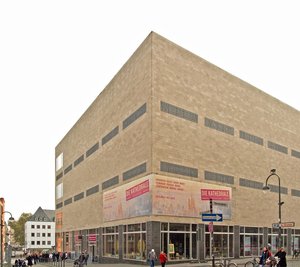
Wallraf-Richartz-Museum, KölnWallraf-Richartz-Museum Köln 3 Child Dreaming Before the Sea, at Sunset, Kelp Gatherers, Notre Dame in the Snow
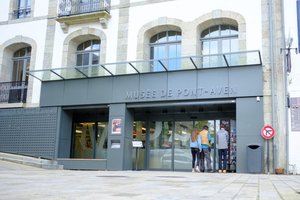
Musée de Pont-Aven, HastenparckMusée de Pont-Aven Hastenparck 3 Portrait of Jules Bois, Profile study of a young woman, Portrait of Madame Champsaur
Museum of Fine Arts, HoustonMuseum of Fine Arts Houston 1 Émile Bernard
Kröller-Müllerin taidemuseo, OtterloKröller-Müllerin taidemuseo Otterlo 1 Still Life with Bowl and Fruits
Musée des Beaux-Arts de Quimper, QuimperMusée des Beaux-Arts de Quimper Quimper 1 Rocky Coast in Brittany

Émile Schuffenecker vuosi vuodelta: jokaisen vuoden määrittävät alkuperäisteokset

Valinta kattaa Émile Schuffenecker yli 12 vuotta, vuodesta 1884 vuoteen 1895, säilyttäen kunkin vuoden hienoimmat alkuperäisteokset.

Teokset vuosittain

Valitse vuosi nähdäksesi alkuperäisteokset.

Keräilijöiden kysymyksiä Émile Schuffenecker -taiteilijan maalauksista

Mistä teoksesta Émile Schuffenecker on tunnetuin?Paljasta vastaus

Émile Bernard (1889), Museum of Fine Arts, Houston. Seuraavina ovat Le retour des foins (1890) ja A View Of The Cliffs Of Etretat.

Kuinka vanha Émile Schuffenecker oli, kun Émile Bernard tehtiin?Paljasta vastaus

38 vuotta vanha: Émile Bernard on peräisin vuodelta 1889, ja Émile Schuffenecker on syntynyt vuonna 1851.

Mitkä ovat kymmenen kuuluisinta Émile Schuffenecker -taideteosta?Paljasta vastaus

Émile Bernard, Le retour des foins, A View Of The Cliffs Of Etretat, Evening walk, Child Dreaming Before the Sea, at Sunset, The First Murder (also known as The Death of Abel), Still Life with Bowl and Fruits, Kelp Gatherers, Rocky Coast in Brittany ja Notre Dame in the Snow. Yllä oleva sijoitus kertoo kunkin teoksen vuosiluvun ja museon.

Kuinka monta maalausta Émile Schuffenecker jätti jälkeensä?Paljasta vastaus

Katalogissamme on 26 teosta taiteilijalta Émile Schuffenecker, aikaväliltä 1884–1895.

Missä museoissa Émile Schuffenecker's mestariteokset sijaitsevat?Paljasta vastaus

Pääasiassa Wallraf-Richartz-Museum (Köln), Musée de Pont-Aven (Hastenparck) ja Museum of Fine Arts (Houston). Yllä oleva museotaulukko listaa ne kaikki.

Minä vuosina Émile Schuffenecker maalasi kuuluisimmat teoksensa?Paljasta vastaus

Aikakaudella 1884: 2 sivun 24 teoksista on tehty silloin, joista Child Dreaming Before the Sea, at Sunset.

Mitkä ovat Émile Schuffenecker ensimmäinen ja viimeinen tunnettua alkuperäisteosta?Paljasta vastaus

Tällä sivulla vanhin on Child Dreaming Before the Sea, at Sunset (1884) ja uusin Portrait of Jules Bois (1895).

Mitä aiheita Émile Schuffenecker käytti useimmiten?Paljasta vastaus

French art (3), Landscape painting (2) ja Beach (2), yhteensä 24 teosta tällä sivulla.

Mihin taidesuuntaukseen Émile Schuffenecker kuuluu?Paljasta vastaus

Post-impressionism ja Impressionism, tämän sivun alkuperäisteosten perusteella.

Mitä Émile Schuffenecker -teoksia Wallraf-Richartz-Museum -museossa on esillä?Paljasta vastaus

Child Dreaming Before the Sea, at Sunset, Kelp Gatherers ja Notre Dame in the Snow: Wallraf-Richartz-Museum, Köln -ssä on 3 tämän sivun teoksista.

Émile Schuffenecker: elämä ja tuotanto

Claude Emile Schuffenecker (1851–1934): An Unsung Pioneer of Impressionism

Claude Emile Schuffenecker, born December 8th, 1851, in Haute-Saône, France, remains a figure largely overshadowed by the luminaries of his era – Paul Gauguin and Odilon Redon. Yet, this quiet French Post-Impressionist artist possessed an undeniable contribution to the artistic landscape of late nineteenth century Paris, marked by a fervent dedication to capturing fleeting moments of beauty and a pioneering role in fostering the burgeoning field of art collecting. His life’s journey unfolded amidst considerable personal hardship, yet his artistic vision persisted, shaping landscapes imbued with atmospheric subtlety and portraits reflecting profound psychological depth.

Early Life & Artistic Formation

Schuffenecker's upbringing was shaped by familial circumstances that instilled a strong work ethic. Following the untimely death of his father, Nicolas Schuffenecker—a tailor from Guewenheim (Alsace)—in 1854, he and his brother Amédée faced significant economic challenges as their mother relocated to Meudon, near Paris, where her family resided. Supported by his maternal aunt Anne Fauconnet Monnet, Schuffenecker received a robust education at the frères des écoles chrétiennes, preparing him for a career in commerce—specifically, assisting his uncle Pierre Cornu’s chocolate and coffee roasting business. This practical grounding would prove invaluable later in life, providing stability amidst artistic pursuits. Crucially, he found kindred spirits in Gauguin and Redon, engaging in spirited discussions about the masters at the Louvre and honing his skills at the Académie Colarossi.

Friendship with Gauguin & The Volpini Exhibition

A formative relationship blossomed between Schuffenecker and Paul Gauguin—a connection that transcended mere artistic camaraderie and deepened into genuine friendship. Both men shared a passion for studying Old Masters, meticulously analyzing compositions and techniques at the Louvre. This intellectual exchange fueled their creative endeavors and cemented their commitment to exploring innovative approaches to painting. Notably, Schuffenecker played an instrumental role in organizing the Volpini Exhibition of 1889—a landmark event showcasing Impressionist art and attracting considerable public attention. His involvement underscored his belief in disseminating artistic ideas and fostering dialogue within the Parisian avant-garde. Gauguin’s influence on Schuffenecker was palpable, mirroring a shared fascination for expressive color palettes and bold brushstrokes – techniques that would characterize Schuffenecker's distinctive style.

Schuffenecker’s Artistic Style & Influences

Schuffenecker's artistic style is characterized by a masterful manipulation of light and color—traits undeniably influenced by Impressionism, yet tempered with a sensitivity to Symbolist aesthetics. He prioritized capturing mood and emotion over precise topographical accuracy, mirroring the ethos of his time. His landscapes frequently depict serene scenes bathed in hazy atmospheric conditions, employing delicate brushstrokes and muted hues to convey a profound sense of tranquility. Consider “Near Meudon,” where Schuffenecker captures the ethereal quality of twilight, prioritizing emotional resonance above meticulous detail. Similarly, "Paysage Landscape" exemplifies his ability to distill complex visual information into evocative representations of nature—a testament to his artistic prowess. He was particularly captivated by Vincent van Gogh’s expressive use of color and texture, recognizing the transformative potential of conveying inner feelings through visual media – a connection that profoundly shaped his own artistic vision.

A Controversial Legacy & Rediscovery

Despite Schuffenecker's considerable contribution to Impressionism and art collecting—including his early involvement in establishing a collection of Van Gogh paintings—his artistic reputation suffered a significant setback following the 1920s, fueled by accusations of stylistic imitation and speculation regarding the authenticity of certain artworks attributed to him. Scholarly research has begun to illuminate Schuffenecker’s life and oeuvre with greater nuance, acknowledging his dedication to capturing atmospheric subtleties and psychological depth—and prompting renewed interest in his work. Recent investigations have bolstered a more measured assessment of his artistic achievements – demonstrating that Schuffenecker's unwavering commitment to Impressionist principles combined with an astute understanding of Symbolist sensibilities produced artworks of enduring beauty and psychological resonance. Today, Musée des Cultures Taurines in Nîmes proudly showcases Schuffenecker’s legacy through its impressive collection of paintings and artifacts.