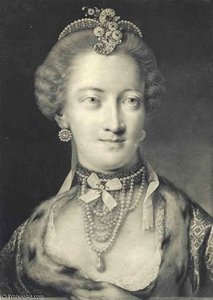
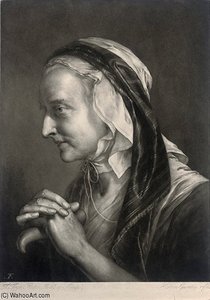
Thomas Frye muotokuva

40 tunnetuinta Thomas Frye -maalausta, jokainen ainutlaatuinen

Päivitetty marraskuu 2026 · järjestetty suosituimmuuspisteiden mukaan (jokaisen teoksen haut, vierailut ja tilaukset) · 40 teosta taiteilijalta Thomas Frye luettelossamme

Lyhyesti

Thomas Frye (1759) on se Thomas Frye -maalaus, joka herättää eniten huomiota; alkuperäisteos kuuluu museolle National Portrait Gallery, Lontoo. Sen jälkeen katse siirtyy kohteisiin Portrait of Sir Charles Kemeys-Tynte, Baronet (1710-1785) (1739) ja Portrait of John Allen of Bridgewater (1739). Thomas Fryein 40 teoksemme joukosta nämä 40 ovat kuuluisimpia; jokainen on ainutlaatuinen alkuperäisteos, joka on esitelty vuosiluvun, museon ja sen syyn kera, miksi teos on säilyttänyt suosionsa.

1710 – 1762, Dublin Eniten teoksia: National Gallery of Ireland

Thomas Frye -taiteilijan 10 parasta maalausta gallerian silmin

1
Thomas Frye (1759) tekijä Thomas Frye

Thomas Frye

1759 · Oil On Canvas · National Portrait Gallery, Lontoo

Created in 1759, this oil on canvas work presents the artist, Thomas Frye, as his own subject. The portrait captures the man in a three-quarter view, presenting a formal and somber appearance. He is depicted with light-colored, powdered hair that contrasts against the darker tones of his attire. A dark jacket and a white neckcloth define his clothing, grounding the figure within a restrained, eighteenth-century aesthetic.

Thomas Fryen kuuluisia maalauksia, numerot 11–40

Aiheet, jotka vangitsivat Thomas Fryein katseen

Nämä neljä aihetta toistuvat näissä alkuperäisteoksissa useimmin, jokaisesta löytyy hienoin esimerkki.

Museot, joissa Thomas Frye'n alkuperäisteokset sijaitsevat

Tämän sivun teoksista eniten sisältävät 7 museota.

Museo Kaupunki Thomas Frye teokset Tämän listan maalaukset
National Gallery of Ireland, DublinNational Gallery of Ireland Dublin 3 Portrait of Sir Charles Kemeys-Tynte, Baronet (1710-1785), Portrait of John Allen of Bridgewater, Portrait of Susannah Walker
National Portrait Gallery, LontooNational Portrait Gallery Lontoo 1 Thomas Frye
Royal Collection, LontooRoyal Collection Lontoo 1 Frederick, Prince of Wales (1707-1751)
Yale Center for British Art, New HavenYale Center for British Art New Haven 1 A Woman, Traditionally Identified as Mrs.Wardle
Metropolitan Museum of Art, New YorkMetropolitan Museum of Art New York 1 Untitled (D2WVNF)
Nationalmuseum, TukholmaNationalmuseum Tukholma 1 Unknown man
Scottish National Portrait Gallery, EdinburghScottish National Portrait Gallery Edinburgh 1 Richard Leveridge

Thomas Frye vuosikymmenten varrelta: jokaisesta yksi ainutlaatuinen alkuperäisteos

Teokset vuosikymmenittäin

Valitse vuosikymmen nähdäksesi sen määrittäneen alkuperäisteoksen.

Thomas Fryen maalaukset: kysymyksiä gallerialle

Mikä on Thomas Frye tunnetuin teos?Paljasta vastaus

Thomas Frye (1759), National Portrait Gallery, Lontoo. Seuraavina ovat Portrait of Sir Charles Kemeys-Tynte, Baronet (1710-1785) (1739) ja Portrait of John Allen of Bridgewater (1739).

Missä iässä Thomas Frye loi teoksen Thomas Frye?Paljasta vastaus

49 vuotta vanha: Thomas Frye on peräisin vuodelta 1759, ja Thomas Frye on syntynyt vuonna 1710.

Mitkä ovat Thomas Frye kymmenen kuuluisinta maalausta?Paljasta vastaus

Thomas Frye, Portrait of Sir Charles Kemeys-Tynte, Baronet (1710-1785), Portrait of John Allen of Bridgewater, Frederick, Prince of Wales (1707-1751), A Woman, Traditionally Identified as Mrs.Wardle, Portrait of Susannah Walker, Untitled (D2WVNF), Unknown man, The Observer ja Untitled. Yllä oleva sijoitus kertoo kunkin teoksen vuosiluvun ja museon.

Kuinka monta Thomas Frye -teosta tunnetaan?Paljasta vastaus

Katalogissamme on 40 teosta taiteilijalta Thomas Frye, aikaväliltä 1739–1760.

Missä voi nähdä tunnetuimmat Thomas Frye -alkuperäisteokset?Paljasta vastaus

Pääasiassa National Gallery of Ireland (Dublin), National Portrait Gallery (Lontoo) ja Royal Collection (Lontoo). Yllä oleva museotaulukko listaa ne kaikki.

Mihin ajanjaksoon Thomas Frye tunnituimmat maalauksensa sijoittuvat?Paljasta vastaus

Aikakaudella 1730s: 2 sivun 40 teoksista on tehty silloin, joista Portrait of Sir Charles Kemeys-Tynte, Baronet (1710-1785).

Mikä on Thomas Frye kuuluisimmista maalauksista varhaisin ja mikä uusin?Paljasta vastaus

Tällä sivulla vanhin on Portrait of Sir Charles Kemeys-Tynte, Baronet (1710-1785) (1739) ja uusin Portrait of Susannah Walker (1760).

Mitä aiheita Thomas Frye suosi?Paljasta vastaus

Portraits (8), Portrait (5) ja Men (4), yhteensä 40 teosta tällä sivulla.

Mitä Thomas Frye alkuperäisteoksia voin nähdä museossa National Gallery of Ireland?Paljasta vastaus

Portrait of Sir Charles Kemeys-Tynte, Baronet (1710-1785), Portrait of John Allen of Bridgewater ja Portrait of Susannah Walker: National Gallery of Ireland, Dublin -ssä on 3 tämän sivun teoksista.

Thomas Frye: taiteilijan muotokuva

The Versatile Legacy of Thomas Frye

Thomas Frye stands as a remarkable figure of the eighteenth century, an Anglo-Irish polymath whose creative reach extended far beyond the traditional boundaries of portraiture. Born in Edenderry, Ireland, Frye’s journey from his Irish roots to the vibrant artistic circles of London allowed him to cultivate a diverse mastery over various media. He was not merely a painter but a skilled engraver and a pioneer in the delicate art of porcelain manufacturing. His ability to navigate between the intimate scale of miniatures and the grand presence of oil portraits marks him as one of the most significant Irish artists of his era, blending technical precision with an innate understanding of character.

His artistic development was characterized by a profound command over both color and line. In his portraiture, Frye utilized oil and pastel to capture the aristocratic grace and psychological depth of his subjects. Whether rendering the soft textures of skin in a pastel miniature or the stately presence of figures like Lieutenant Colonel George Walsh, his work resonates with an enduring elegance. His early explorations in mezzotint engraving further demonstrated his technical prowess, allowing him to disseminate his visual narratives through print, reaching a much wider audience than the single canvas could ever permit.

A Pioneer of Porcelain and Print

Beyond the easel, Frye’s historical significance is deeply intertwined with the industrial and decorative arts of England. He was a man of immense entrepreneurial spirit, most notably serving as the patentee of the Bow porcelain factory in London. In an era of intense competition among ceramic innovators, Frye claimed a central role in the history of English pottery, even asserting in his epitaph that he was the inventor and first manufacturer of porcelain in England. While historical debate continues regarding his precedence over rivals at the Chelsea factory, his management of the Bow works remains a cornerstone of his multifaceted career.

The breadth of his contributions can be summarized through his various artistic roles:

  • Portrait Painter: Renowned for his ability to capture likenesses in oil, pastel, and chalk, ranging from delicate miniatures to full-length compositions.
  • Printmaker: A skilled engraver who utilized the mezzotint technique to publish series of life-size fancy portraits.
  • Ceramic Innovator: A key figure in the development of English porcelain through his leadership at the Bow porcelain factory.

Frye’s life was a testament to the intersection of fine art and industrial innovation. Even as he faced personal hardships, such as the respiratory struggles that eventually led him to retire to Wales, his dedication to his craft never wavered. His legacy survives not only in the galleries of prestigious institutions like The Metropolitan Museum of Art but also in the very fabric of English decorative history, leaving an indelible mark on the visual culture of the eighteenth century.