


1


Päivitetty marraskuu 2026 · järjestetty suosituimmuuspisteiden mukaan (jokaisen teoksen haut, vierailut ja tilaukset) · 59 teosta taiteilijalta Robert Gwathmey luettelossamme
Lyhyesti
The Farmer Wanted a Boy (1942) on se Robert Gwathmey -maalaus, joka herättää eniten huomiota; alkuperäisteos kuuluu museolle Art Institute of Chicago, Chicago. Sen jälkeen katse siirtyy kohteisiin Portrait of a Farmer's Wife (1951) ja Parade (1951). Robert Gwathmeyin 59 teoksemme joukosta nämä 56 ovat kuuluisimpia; jokainen on ainutlaatuinen alkuperäisteos, joka on esitelty vuosiluvun, museon ja sen syyn kera, miksi teos on säilyttänyt suosionsa.


The Parade painting by Robert Gwathmey is a remarkable piece of art that showcases the artist's unique style and technique. Created in 1951, this watercolour painting measures 53 x 36 cm and is currently housed at the Smithsonian American Art Museum in the United States. Artist Background Robert Gwathmey was an American artist known for his bold and expressive works of art. Born in 1903, he was a prominent figure…


 Untitled (853)
12
 Untitled (574)
13
 Untitled (791)
14
 Untitled (219)
15
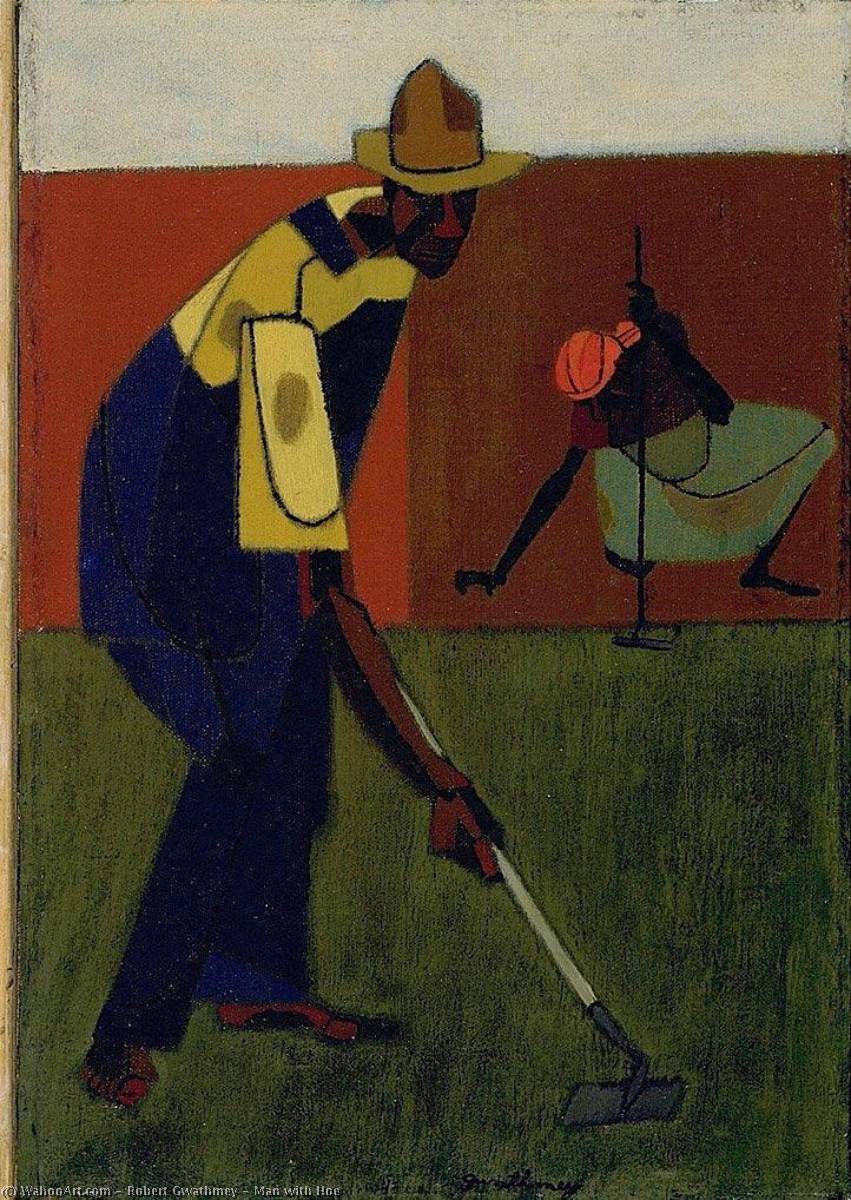
 Man with Hoe1944
16
 Singing and Mending1944
17
 Front Porch1947
18
 Poll Tax Country1945
19
 Sharecroppers and Blackberry Pickers1950
20
 Carrying the Sack1950
21
 Asleep at the Table1945 · Ogden Museum of Southern Art
22
 Untitled (813)
23
 Untitled (585)
24
 Untitled (196)
25
 Untitled (106)
26
 Untitled (721)
27
 Untitled (226)
28
 Untitled (193)
29
 Untitled (805)
30
 Untitled (561)
31
 Untitled (348)
32
 Untitled (491)
33
 Untitled (360)
34
 Untitled (416)
35
 Untitled (558)
36
 Untitled (285)
37
 Untitled (857)
38
 Untitled (207)
39
 Untitled (788)
40
 Untitled (724)
41
 Untitled (668)
42
 Untitled (655)
43
 Untitled (626)
44
 Untitled (735)
45
 Untitled (909)
46
 Untitled (968)
47
 Untitled (878)
48
 Untitled (106)
49
 Untitled (958)
50
 Untitled (857)
51
 Untitled (430)
52
 Untitled (750)
53
 Untitled (183)
54
 Untitled (229)
55
 Untitled (565)
56
 Going Home
Tämän sivun teoksista eniten sisältävät 2 museota.
| Museo | Kaupunki | Robert Gwathmey teokset | Tämän listan maalaukset |
|---|---|---|---|
 Art Institute of Chicago |
Chicago | 1 | The Farmer Wanted a Boy |
 Ogden Museum of Southern Art |
New Orleans | 1 | Asleep at the Table |
Robert Gwathmey’n täällä esitetyt alkuperäisteokset sijoittuvat noin kymmenen vuoden ajalle, 1942–1951: katse seuraa niitä vuosi vuodelta.
Valitse vuosi nähdäksesi alkuperäisteokset.


The Farmer Wanted a Boy (1942), Art Institute of Chicago, Chicago. Seuraavina ovat Portrait of a Farmer's Wife (1951) ja Parade (1951).
39 vuotta vanha: The Farmer Wanted a Boy on peräisin vuodelta 1942, ja Robert Gwathmey on syntynyt vuonna 1903.
The Farmer Wanted a Boy, Portrait of a Farmer's Wife, Parade, Untitled (504), Untitled (978), Untitled (811), Untitled (540), Untitled (830), Untitled (598) ja Untitled (389). Yllä oleva sijoitus kertoo kunkin teoksen vuosiluvun ja museon.
Katalogissamme on 59 teosta taiteilijalta Robert Gwathmey, aikaväliltä 1942–1951.
Pääasiassa Art Institute of Chicago (Chicago) ja Ogden Museum of Southern Art (New Orleans). Yllä oleva museotaulukko listaa ne kaikki.
Aikakaudella 1944: 2 sivun 56 teoksista on tehty silloin, joista Man with Hoe.
Tällä sivulla vanhin on The Farmer Wanted a Boy (1942) ja uusin Portrait of a Farmer's Wife (1951).
Social realism, tämän sivun alkuperäisteosten perusteella.