
1


Päivitetty marraskuu 2026 · järjestetty suosituimmuuspisteiden mukaan (jokaisen teoksen haut, vierailut ja tilaukset) · 24 teosta taiteilijalta Paul Brason luettelossamme
Lyhyesti
Kaikista Paul Brason jättämistä alkuperäisteoksista kuuluisin on Philip William Bryce Lever (1915–2000), 3rd Viscount Leverhulme, KG. Heti perässä tulevat Professor Dorothy Wedderburn (1991) ja Gerald Grosvenor (b.1951), 6th Duke of Westminster (1995). Katalogissamme on 24 teosta taiteilijalta Paul Brason; galleria on säilyttänyt 24 maailman ihailluimmista teoksista, ja jokaisesta on esitetty sen päivämäärä, museo sekä tarina.


 Robert G. Beldam (1914–2003), CBE, Honorary Fellow (1995–2003)1995
12
 Canon Maurice Ridgway (1918–2002)1994
13
 David George Vaisey (b.1935)1996 · Bodleian Libraries
14
 Gerald Ball, Garage Proprietor1999 · Girton College
15
 Sir Keith Thomas (b.1933), President (1986–2000)2002
16
 Keith Gilbert Robbins (b.1940), Principal and Vice Chancellor of University of Wales Lampeter, St David's University College (1992–2003)2003
17
 Dr Michael Fopp, Director General of the Royal Air Force Museum2007
18
 Lord Wilson of Tillyorn2007 · Peterhouse
19
 Barry Everitt, Master of Downing College2007 · Paintings Owned by Colleges
20
 Professor Michael Mingos (b.1944), FRS, Principal (1999–2009)2007 · St Edmund Hall
21
 Alan and Grace Howard2010 · Paintings Owned by Colleges
22
 Professor Dame Jean Thomas2012 · st Catharine's College
23
 John Hood (b.1942)Bodleian Libraries
24
 Philip William Bryce Lever (1915–2000), 3rd Viscount Leverhulme, Chancellor of the University of Liverpool (1980–1993)
Nämä neljä aihetta toistuvat näissä alkuperäisteoksissa useimmin, jokaisesta löytyy hienoin esimerkki.
#1 Philip William Bryce Lever (1915–2000), 3rd Viscount Leverhulme, KG
 #2 Professor Dorothy Wedderburn
 #8 Brian Robert Morris (1930–2001), Lord Morris of Castle Morris
#16 Keith Gilbert Robbins (b.1940), Principal and Vice Chancellor of University of Wales Lampeter, St David's University College (1992–2003)
Tämän sivun teoksista eniten sisältävät 8 museota.
| Museo | Kaupunki | Paul Brason teokset | Tämän listan maalaukset |
|---|---|---|---|
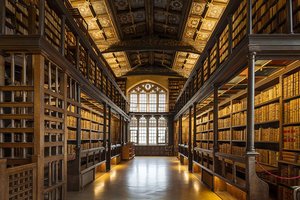 Bodleian Libraries |
Oxford | 2 | David George Vaisey (b.1935), John Hood (b.1942) |
 Paintings Owned by Colleges |
Cambridge | 2 | Barry Everitt, Master of Downing College, Alan and Grace Howard |
 Royal Holloway |
Egham | 1 | Professor Dorothy Wedderburn |
 Chester Town Hall |
Chester | 1 | Gerald Grosvenor (b.1951), 6th Duke of Westminster |
 Merton College |
Oxford | 1 | Dame Jessica Rawson, Warden |
 The University of Reading |
Reading | 1 | Ewan Page |
 Government Art Collection |
Lontoo | 1 | Brian Robert Morris (1930–2001), Lord Morris of Castle Morris |
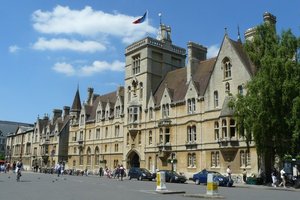 Balliol College |
Oxford | 1 | Baruch S. Blumberg |
Valitse vuosikymmen nähdäksesi sen määrittäneen alkuperäisteoksen.


Philip William Bryce Lever (1915–2000), 3rd Viscount Leverhulme, KG. Seuraavina ovat Professor Dorothy Wedderburn (1991) ja Gerald Grosvenor (b.1951), 6th Duke of Westminster (1995).
Philip William Bryce Lever (1915–2000), 3rd Viscount Leverhulme, KG, Professor Dorothy Wedderburn, Gerald Grosvenor (b.1951), 6th Duke of Westminster, Dame Jessica Rawson, Warden, Brian Robert Morris (1930–2001) (triptych), Ewan Page, Brian Robert Morris (1930–2001), Baron Morris of Castle Morris, Principal of St David's University College (1980–1991), Brian Robert Morris (1930–2001), Lord Morris of Castle Morris, Sir Emmanuel Kaye ja Baruch S. Blumberg. Yllä oleva sijoitus kertoo kunkin teoksen vuosiluvun ja museon.
Katalogissamme on 24 teosta taiteilijalta Paul Brason, aikaväliltä 1990–2012.
Pääasiassa Bodleian Libraries (Oxford), Paintings Owned by Colleges (Cambridge) ja Royal Holloway (Egham). Yllä oleva museotaulukko listaa ne kaikki.
Aikakaudella 1990s: 11 sivun 24 teoksista on tehty silloin, joista Professor Dorothy Wedderburn.
Tällä sivulla vanhin on Ewan Page (1990) ja uusin Professor Dame Jean Thomas (2012).
Reflection (4), Portrait (3) ja Portraiture (3), yhteensä 24 teosta tällä sivulla.
Contemporary realism, tämän sivun alkuperäisteosten perusteella.
David George Vaisey (b.1935) ja John Hood (b.1942): Bodleian Libraries, Oxford -ssä on 2 tämän sivun teoksista.