- Etusivu

- Taiteilijat
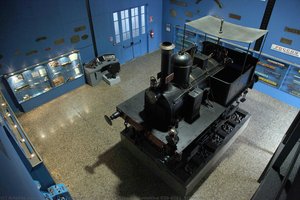
- Madridin Rautatiemuseo
Lyhyet tiedot
- Museums on APS:
- Spanish Railways Foundation
- Spanish Railways Foundation
- Spanish Railways Foundation
- Spanish Railways Foundation
- Spanish Railways Foundation
- Vibe: nostalginen
- Nationality: Espanja
- Movements: contemporary realism
- Best occasions: tyyli
- Also known as: Museo Del Ferrocarril De Madrid
- Room fit: työtila
- Corpus themes: documentary photography
- Näytä lisää…
- Topics explored:
- railway history
- vintage train
- spanish heritage
- industrial history
- transportation art
- Born: Madrid, Espanja
- Emotional tone: nostalginen
- Copyright status: Under copyright
- Works on APS: 33
- Top 3 works:
- Project of hearse vehicle
- Project of hearse vehicle
- Saloon car ZZ-307-Interior
- Top-ranked work: Project of hearse vehicle
Taidevisa
Jokaisessa kysymyksessä on vain yksi oikea vastaus.
Kysymys 1:
Mikä on Museo del Ferrocarril de Madridin pääpainotus?
Kysymys 2:
Missä historiallisessa rakennuksessa Museo del Ferrocarril de Madrid sijaitsee?
Kysymys 3:
Milloin Museo del Ferrocarril de Madrid perustettiin?
Kysymys 4:
Mitä tyyppistä kalustoa museossa näytetään?
Kysymys 5:
Onko Museo del Ferrocarril de Madridissa vuorovaikutteisia näyttelyitä?
Liittyvät artikkelit
Museo Pradon 25 mestariteosta: Taidetta, historiaa ja inspiraatiota kotiisi
Tutustu Museo Pradon 25 ikoniseen mestariteokseen! Velázquez, Goya ja El Greco – espanjalaisen taiteen huipputeoksia tarinoineen. Löydä inspiraatiota kotiisi ja tutustu laajaan valikoimaamme korkealaatuisia taideprinttejä OriginalUniqueArt.comissa.

Metropolitanin taidemestariklassikot: 25 unohtumatonta teosta kotiisi – OriginalUniqueArt.fi
Tutustu Metropolitan Museum of Artin 25 kuuluisimpaan teokseen! Uppoudu impressionismin, renessanssin ja modernin taiteen maailmaan. Löydä mestariteoksia Monétista Van Goghiin ja inspiroidu kodin sisustukseen OriginalUniqueArt.comissa. Tutki kokoelma verkossa!
The Flourishing Canvas: A Historical Journey Through Botanical Illustration
Explore the captivating history of botanical illustration! Discover renowned artists like Robert Havell & Mary Walcott, learn about techniques, and find museum-quality art at OriginalUniqueArt.com.