Lee Alexander Mcqueen muotokuva

8 tunnetuinta Lee Alexander Mcqueen -maalausta, jokainen ainutlaatuinen

Päivitetty marraskuu 2026 · järjestetty suosituimmuuspisteiden mukaan (jokaisen teoksen haut, vierailut ja tilaukset) · 8 teosta taiteilijalta Lee Alexander Mcqueen luettelossamme

Lyhyesti

Evening dress (2001) on se Lee Alexander Mcqueen -maalaus, joka herättää eniten huomiota; alkuperäisteos kuuluu museolle The Museum at FIT, New York. Sen jälkeen katse siirtyy kohteisiin Shawl (2009) ja Korppi (1999). Lee Alexander Mcqueenin 8 teoksemme joukosta nämä 8 ovat kuuluisimpia; jokainen on ainutlaatuinen alkuperäisteos, joka on esitelty vuosiluvun, museon ja sen syyn kera, miksi teos on säilyttänyt suosionsa.

1969 – 2010, Lontoo Eniten teoksia: The Museum at FIT

Lee Alexander Mcqueen -taiteilijan 10 parasta maalausta gallerian silmin

1
Evening dress (2001) tekijä Lee Alexander Mcqueen

Evening dress

2001 · Photography · The Museum at FIT, New York

The Evening dress by Lee Alexander McQueen emerges from the Spring 2001 season, a moment when the designer's vision pulses with a dark, visceral energy. Created in England, this piece belongs to the Voss collection, a series that explores the delicate and often unsettling boundaries of beauty. The garment exists as a physical manifestation of a specific creative impulse, capturing a sense of drama that feels immediate and alive.

2
Shawl (2009) tekijä Lee Alexander Mcqueen

Shawl

2009 · Textile · Röhsska Museum, Göteborg

This textile piece, created in 2009, presents a dense arrangement of intricate designs. The composition focuses on a close-up view of a folded cloth, likely silk, where various colors intersect in a complex visual language. Blue, red, yellow, and green tones compete with white and black elements to form a layered, multi-colored surface. The arrangement of the fabric creates soft folds that catch the light, emphasizing the tactile nature of…

3
Korppi (1999) tekijä Lee Alexander Mcqueen

Korppi

1999 · Valokuvaus · The Museum at FIT, New York

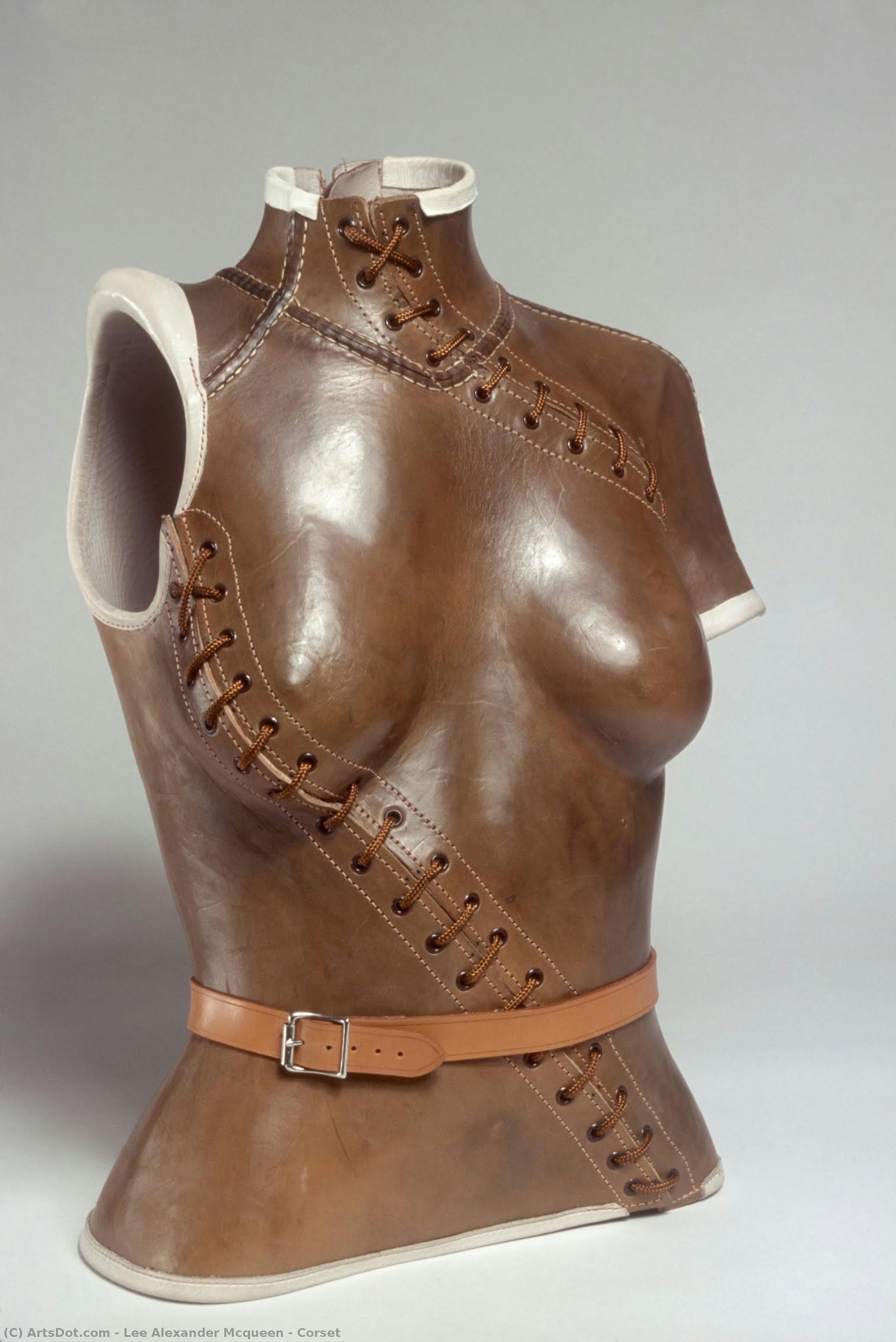
Lee Alexander McQueenin Corset – Provokaatio ja Muodonmuutos McQueenin Corset ei ole pelkästään yksittäinen vaatekappale; se on koko taiteellinen kokonaisuus, joka vangitsee suunnittelijan oman maailman näkökulman. Tämä vuonna 1999 valmistunut työ tuo esiin kysymyksiä identiteetistä, piiloutumisesta ja transformaatiosta – aiheita jotka ovat olleet McQueenin keskus huomion keskellä koko hänen uransa ajan. Teos on osa suurempaa näyttelyä, jossa McQueen tarkastelee ihmisen kehon muotoa ja rajoja sekä sen vaikutusta henkilökohtaiseen ilmaisuun. Materiaalit…

4
Evening dress, (2007) tekijä Lee Alexander Mcqueen

Evening dress,

2007 · Photography · Peabody Essex Museum, Salem

Lee Alexander McQueen’s “Evening Dress,” a black-and-white photograph captured in 2007, isn't merely a documentation of fashion; it’s a meticulously crafted exploration of form, texture, and the inherent drama within restraint. The image, strikingly devoid of color, immediately establishes an atmosphere of sophisticated melancholy – a deliberate choice that elevates the garment beyond its purely decorative function and invites contemplation on themes of timelessness and the fleeting nature of beauty.…

8
Evening gown (2007) tekijä Lee Alexander Mcqueen

Evening gown

2007 · The Museum at FIT, New York

This evening gown by Alexander McQueen, densely embellished with a cascade of beaded golden tresses, was part of a collection inspired by witches. This reference underscores the power associated with hair in folklore and mythology. McQueen’s aggressive and sexual fashions polarized audiences and he was often accused of misogyny. But his “perverse” and transgressive aesthetic was probably more about himself than about real women. After a collection inspired by Joan…

Aiheet, jotka vangitsivat Lee Alexander Mcqueenin katseen

Nämä neljä aihetta toistuvat näissä alkuperäisteoksissa useimmin, jokaisesta löytyy hienoin esimerkki.

Museot, joissa Lee Alexander Mcqueen'n alkuperäisteokset sijaitsevat

Tämän sivun teoksista eniten sisältävät 3 museota.

Museo Kaupunki Lee Alexander Mcqueen teokset Tämän listan maalaukset
The Museum at FIT, New YorkThe Museum at FIT New York 4 Evening dress, Korppi, Corset
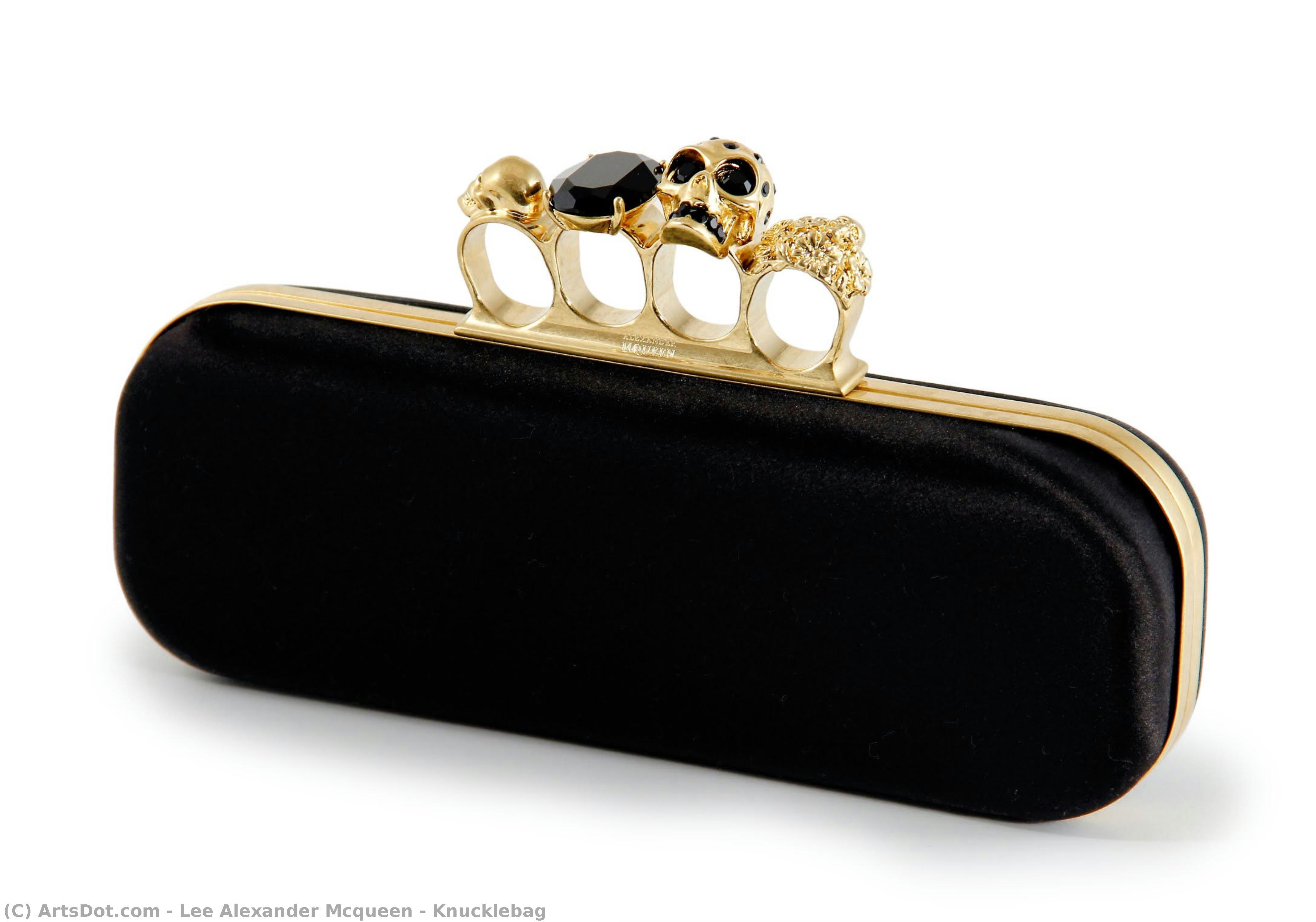
Röhsska Museum, GöteborgRöhsska Museum Göteborg 3 Shawl, Knucklebag, Suit
Peabody Essex Museum, SalemPeabody Essex Museum Salem 1 Evening dress,

Lee Alexander Mcqueen vuosikymmenten varrelta: jokaisesta yksi ainutlaatuinen alkuperäisteos

Teokset vuosikymmenittäin

Valitse vuosikymmen nähdäksesi sen määrittäneen alkuperäisteoksen.

Lee Alexander Mcqueenn maalaukset: kysymyksiä gallerialle

Mikä on Lee Alexander Mcqueen tunnetuin teos?Paljasta vastaus

Evening dress (2001), The Museum at FIT, New York. Seuraavina ovat Shawl (2009) ja Korppi (1999).

Missä iässä Lee Alexander Mcqueen loi teoksen Evening dress?Paljasta vastaus

32 vuotta vanha: Evening dress on peräisin vuodelta 2001, ja Lee Alexander Mcqueen on syntynyt vuonna 1969.

Kuinka monta Lee Alexander Mcqueen -teosta tunnetaan?Paljasta vastaus

Katalogissamme on 8 teosta taiteilijalta Lee Alexander Mcqueen, aikaväliltä 1999–2010.

Missä voi nähdä tunnetuimmat Lee Alexander Mcqueen -alkuperäisteokset?Paljasta vastaus

Pääasiassa The Museum at FIT (New York), Röhsska Museum (Göteborg) ja Peabody Essex Museum (Salem). Yllä oleva museotaulukko listaa ne kaikki.

Mihin ajanjaksoon Lee Alexander Mcqueen tunnituimmat maalauksensa sijoittuvat?Paljasta vastaus

Aikakaudella 2000s: 4 sivun 8 teoksista on tehty silloin, joista Evening dress.

Mikä on Lee Alexander Mcqueen kuuluisimmista maalauksista varhaisin ja mikä uusin?Paljasta vastaus

Tällä sivulla vanhin on Korppi (1999) ja uusin Suit (2010).

Mitä materiaaleja Lee Alexander Mcqueen käytti eniten?Paljasta vastaus

Photography, 2 teoksesta sivun 8 teoksesta.

Mitä Lee Alexander Mcqueen alkuperäisteoksia voin nähdä museossa The Museum at FIT?Paljasta vastaus

Evening dress, Korppi ja Corset: The Museum at FIT, New York -ssä on 4 tämän sivun teoksista.

Lee Alexander Mcqueen: taiteilijan muotokuva

A Rebel Tailor: The Life and Legacy of Lee Alexander McQueen

Lee Alexander McQueen, a name synonymous with boundary-pushing fashion and dramatic artistry, emerged from a working-class upbringing in London’s East End to become one of the most influential designers of his generation. Born on March 17, 1969, young Lee displayed an early aptitude for creativity, crafting dresses for his sisters – a nascent expression of the vision that would later captivate and often shock the fashion world. This initial spark led him to leave school at sixteen and embark on an apprenticeship on Savile Row, the hallowed ground of British tailoring. It was here, amidst the precision and tradition of bespoke menswear, that McQueen honed his technical skills – a foundation upon which he would build his revolutionary aesthetic. His time with Anderson & Sheppard, crafting suits even for figures like Prince Charles, instilled in him an unparalleled understanding of cut, construction, and form. However, McQueen’s ambition extended beyond traditional tailoring; he sought to deconstruct and reimagine the very language of clothing. Subsequent roles with theatrical costumiers Angels and Bermans further fueled his imagination, exposing him to a world of fantasy, performance, and dramatic expression.
  • Early Years: Lee Alexander McQueen was born on March 17, 1969, into a working-class family living in public housing in London’s Lewisham district. His father, Ronald, was a cab driver, and his mother, Joyce, taught social science. On their small incomes, they supported McQueen and his five siblings. McQueen, called “Lee” by his friends for most of his life, recognized his homosexuality at an early age and was teased extensively about it by schoolmates.
  • Savile Row Apprenticeship: At sixteen, McQueen dropped out of school. He found work on Savile Row, a street in London’s Mayfair district famous for offering made-to-order men’s suits. He worked first with the tailor shop Anderson & Sheppard, and then moved to nearby Gieves & Hawkes. This formative experience instilled in him an unwavering respect for craftsmanship and established his mastery of tailoring techniques.
  • Central Saint Martins: McQueen enrolled at Central Saint Martins College of Art and Design in 1990–92. It was here that he truly found his voice, blending technical skill with conceptual daring. His graduate collection, inspired by the chilling tales of Jack the Ripper, immediately garnered attention – a dark, provocative statement that foreshadowed his future explorations of history, psychology, and societal taboos.

The Rise to Fashion Icon: From Angels and Bermans to Givenchy

McQueen’s subsequent collaborations with theatrical costumiers Angels and Bermans broadened his creative horizons and solidified his fascination with performance art. He honed his skills as a pattern cutter, working for Romeo Gigli in Milan before returning to London and securing the prestigious MA in Fashion Design at Central Saint Martins. His breakthrough came with Isabella Blow, who recognized his talent and championed his vision—providing crucial financial support and invaluable guidance. Blow’s patronage enabled McQueen to launch his own label in 1992, establishing himself as a visionary designer who challenged conventions and captivated audiences worldwide. He quickly gained recognition for his innovative designs, particularly the “bumster” trousers – pants cut so low that they revealed the cleavage of the backside – which became an instant sensation and symbolized his rebellious spirit.

Design Philosophy: Tradition Meets Deconstruction

McQueen’s design philosophy was rooted in a profound understanding of tailoring combined with a daring willingness to dismantle established norms. He drew inspiration from diverse sources, seamlessly blending historical references with contemporary aesthetics. His collections frequently explored themes of Victorian Gothic, referencing the dark romanticism prevalent during that era—a stylistic choice reflected in his use of opulent fabrics and dramatic silhouettes. Furthermore, McQueen’s fascination with Japanese culture influenced his designs, particularly the kimono’s elegant lines and draping techniques. He famously stated, “Everything I do is based on tailoring,” emphasizing the importance of precision and craftsmanship as foundational elements of his artistic vision.

Notable Achievements & Legacy

McQueen achieved international acclaim throughout his career, earning four British Designer of the Year awards from the British Fashion Council between 1996 and 2001—a testament to his exceptional talent and enduring influence on the fashion industry. He was appointed head designer at Givenchy in 1996, succeeding John Galliano, and oversaw a period of significant growth for the couture house. His collaboration with Kering solidified his position as one of the world’s leading designers, and he continued to push boundaries and inspire creativity until his untimely death in February 2010. Despite his tragic passing, McQueen’s legacy continues to resonate profoundly—a symbol of fearless artistry, uncompromising vision, and a lasting contribution to the cultural landscape of the 21st century.