Valikko
ILMAINEN TAIDEKONSULTAATIO

gaspar de figueroa saucedo

1594 - 1658

Lyhyet tiedot

  • Top 3 works:
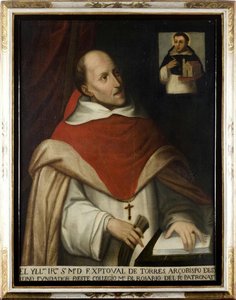
    • Friar Cristóbal de Torres Friar Cristóbal de Torres
    • Fray Cristobal de Torres Fray Cristobal de Torres
    • The Martyrdom of Saint Ursula
  • Works on APS: 5
  • Copyright status: Public domain
  • Lifespan: 64 years

Taidevisa

Jokaisessa kysymyksessä on vain yksi oikea vastaus.

Kysymys 1:
Missä Gaspar de Figueroa Saucedo syntyi?
Kysymys 2:
Mikä taiteen tyylilaji Gaspar de Figueroa Saucedon tunnetaan ensisijaisesti?
Kysymys 3:
Milloin Gaspar de Figueroa Saucedo aloitti taiteellisen uransa?
Kysymys 4:
Mikä oli Gaspar de Figueroa Saucedon pääteema hänen maalauksissaan?
Kysymys 5:
Missä kaupungissa Gaspar de Figueroa Saucedo vietti suurimman osan taiteellisesta elämäänsä?

Gaspar de Figueroa Saucedo: Colombian Baroque’s Silent Witness

Gaspar de Figueroa Saucedo (c. 1594 – Santafé, Colombia, December 12, 1658) stands as a pivotal figure in the artistic landscape of New Granada—modern Bogotá—during the Spanish colonial era. Born in Mariquita, Colombia, he emerged from humble beginnings to become one of the foremost practitioners of religious portraiture and a masterful interpreter of martyrdom narratives, cementing his place within Colombian art history. His legacy continues to inspire admiration for its meticulous detail and profound spiritual resonance – a testament to an artist who quietly shaped the visual culture of his time.

Early Life and Artistic Training

Information about Gaspar de Figueroa’s early life remains scarce, shrouded in the mists of colonial archives. Records indicate he was the son of Baltasar de Figueroa ‘el Viejo,’ a prosperous landowner, and Catalina de Saucedo, affording him an uncommon advantage for his era: access to education—a privilege denied to many men of his social standing. Precise details concerning his artistic training are elusive; however, scholarly consensus suggests he honed his skills under the tutelage of Friar Cristóbal de Torres, a celebrated Baroque painter whose influence profoundly shaped Figueroa’s stylistic trajectory. Torres's unwavering dedication to dramatic lighting and emotive expression undoubtedly instilled in Figueroa a technique that would become synonymous with portraying saints and martyrs—a genre that would define his artistic vocation.

The Art of Religious Portraiture: Martyrdom Scenes as Focal Point

Figueroa’s oeuvre is overwhelmingly devoted to religious subjects, specifically depictions of saintly martyrdoms. These paintings embody the Baroque style's hallmark characteristics – meticulous realism interwoven with theatrical grandeur – skillfully capturing the agony and dignity inherent in saints enduring persecution. Utilizing chiaroscuro techniques with masterful precision, Figueroa amplified emotional impact and conveyed deep spiritual contemplation; his canvases breathed with palpable emotion, mirroring the fervent spirit of Catholicism during the period. Consider “San Francisco de Asís,” a masterpiece showcasing Figueroa’s compositional prowess and nuanced color palette—a poignant illustration of his ability to transform visual art into an instrument of religious devotion.

Notable Works and Artistic Style

Among Gaspar de Figueroa's most distinguished achievements are portraits commissioned by prominent figures within the Colombian episcopacy, demonstrating not only technical virtuosity but also artistic sensitivity. His unwavering attention to anatomical accuracy and drapery rendered in luminous hues exemplifies the Baroque tradition’s commitment to naturalism while simultaneously conveying spiritual grandeur. Figueroa eschewed ostentation, favoring muted tones—a deliberate counterpoint to the flamboyant excesses of other European Baroque artists—prioritizing clarity of form and expressive gesture over superfluous ornamentation. This stylistic choice underscores his conviction that true beauty resided in communicating moral virtue rather than mere visual splendor.

Historical Significance and Legacy

Gaspar de Figueroa Saucedo’s contribution to Colombian art transcends aesthetic considerations; he functioned as a crucial conduit for disseminating religious iconography during an era characterized by fervent spiritual fervor. His paintings served not merely to honor the saints but also to instill piety within viewers—a reflection of New Granada's broader cultural values. Today, Figueroa’s works reside in museums across Colombia and internationally, safeguarding his artistic heritage for posterity. He remains an enduring symbol of Colombian Baroque artistry – a testament to the transformative power of art to inspire faith and preserve cultural traditions for generations to come.