


1


Päivitetty marraskuu 2026 · järjestetty suosituimmuuspisteiden mukaan (jokaisen teoksen haut, vierailut ja tilaukset) · 8 teosta taiteilijalta Domenico Corvi luettelossamme
Lyhyesti
Kaikista Domenico Corvi jättämistä alkuperäisteoksista kuuluisin on The Glorification of Andrea Doria (1750), joka kuuluu Minneapolis Institute of Art -kokoelmaan, Minneapolis. Heti perässä tulevat Camillus and the Schoolmaster of Falerii (1764) ja Allegory of Painting (1764). Katalogissamme on 8 teosta taiteilijalta Domenico Corvi; galleria on säilyttänyt 8 maailman ihailluimmista teoksista, ja jokaisesta on esitetty sen päivämäärä, museo sekä tarina.


Tämän sivun teoksista eniten sisältävät 6 museota.
| Museo | Kaupunki | Domenico Corvi teokset | Tämän listan maalaukset |
|---|---|---|---|
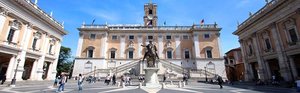 Capitoline Museums |
Rooma | 2 | Camillus and the Schoolmaster of Falerii, The Vestal Tuccia |
 Minneapolis Institute of Art |
Minneapolis | 1 | The Glorification of Andrea Doria |
 Walters Art Museum |
Baltimore | 1 | Allegory of Painting |
 Scottish National Portrait Gallery |
Edinburgh | 1 | David Allan, 1744 - 1796. Artist |
 Accademia di San Luca |
Rooma | 1 | Self-portrait |
 Museum of Fine Arts |
Boston | 1 | Virgin and Child |
Valitse vuosikymmen nähdäksesi sen määrittäneen alkuperäisteoksen.
The Glorification of Andrea Doria (1750), Minneapolis Institute of Art, Minneapolis. Seuraavina ovat Camillus and the Schoolmaster of Falerii (1764) ja Allegory of Painting (1764).
29 vuotta vanha: The Glorification of Andrea Doria on peräisin vuodelta 1750, ja Domenico Corvi on syntynyt vuonna 1721.
Katalogissamme on 8 teosta taiteilijalta Domenico Corvi, aikaväliltä 1750–1803.
Pääasiassa Capitoline Museums (Rooma), Minneapolis Institute of Art (Minneapolis) ja Walters Art Museum (Baltimore). Yllä oleva museotaulukko listaa ne kaikki.
Aikakaudella 1760s: 2 sivun 8 teoksista on tehty silloin, joista Camillus and the Schoolmaster of Falerii.
Tällä sivulla vanhin on The Glorification of Andrea Doria (1750) ja uusin Self-portrait (1803).
Camillus and the Schoolmaster of Falerii ja The Vestal Tuccia: Capitoline Museums, Rooma -ssä on 2 tämän sivun teoksista.
Domenico Corvi was an Italian painter active during the close of the 18th century. Born in Viterbo, he moved to Rome to work under Francesco Mancini. His early career involved works in Viterbo and Palestrina, as well as the decoration of churches in and around Rome. In 1750, he won first prize at the Accademia di San Luca, later becoming a full member in 1756. During this time, he returned to his native Viterbo to participate in decorating the church of the Gonfalone, contributing roundels of the apostles Saints Simon and Jude and a scene of the Beheading of Saint John the Baptist.
Corvi's professional journey included significant commissions for various patrons. His works include:
In his later years, Corvi engaged in church decoration throughout Italy, spanning from Ravenna to Pisa, and from Venice to Spoleto. His ecclesiastical commissions included large canvases for the Cathedral of St. Ursus in Solothurn, Switzerland, featuring The Last Supper, the Coronation of the Virgin, the Incredulity of Saint Thomas, and the Pentecost.
Corvi held several official positions within the Accademia di San Luca. From 1757, he served as the director of the Scuola del Nudo at Campodoglio. His pupils included Giuseppe Cades, Francesco Alberi, and Vincenzo Camuccini. He died in Rome.