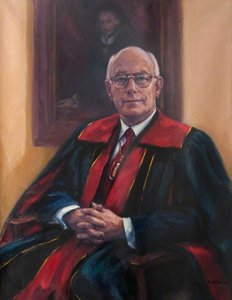
Anne H. Mackintosh: A Portraitist of Dignity and Depth
Anne H. Mackintosh (1944–2014) wasn’t merely a portrait painter; she was a meticulous observer, a skilled technician, and a profound interpreter of human character. Born in Scotland, her artistic journey unfolded against the backdrop of post-war Britain, a period marked by both austerity and a burgeoning interest in capturing the complexities of everyday life. Her work, often characterized by its realism, impasto texture, and subtle psychological insight, quickly established her as one of the leading portraitists of her generation, commanding commissions from royalty, political figures, and cultural luminaries alike – including Nelson Mandela, Donald Dewar, and Queen Noor of Jordan.
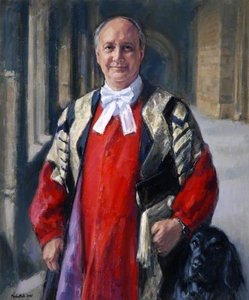
Mackintosh’s early training was rooted in a traditional approach to oil painting, honed through rigorous study at Edinburgh College of Art. However, she wasn't content with simply replicating appearances; she sought to delve beneath the surface, capturing not just likeness but also the essence of her subjects – their vulnerabilities, ambitions, and inner lives. This pursuit is evident in her masterful use of light and shadow, creating a sense of depth and atmosphere that draws the viewer into the scene. Her portraits are imbued with a quiet dignity, reflecting a deep respect for the individuals she depicted.
The Influence of Masters and Modernity
Mackintosh’s artistic lineage is complex, drawing inspiration from both classical masters and contemporary movements. She acknowledged a debt to the Old Masters – particularly Rembrandt and Sargent – for their ability to convey emotion through subtle brushstrokes and masterful use of light. Yet, she wasn't confined by tradition; her work also reflects the influence of modern portraiture, characterized by its psychological depth and willingness to explore the complexities of human experience. The works of artists like Lucian Freud, known for his unflinching honesty and intimate portrayals of subjects, undoubtedly informed her approach.
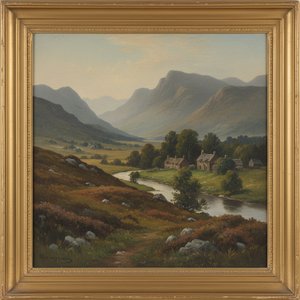
Furthermore, Mackintosh’s Scottish heritage played a significant role in shaping her artistic vision. Her landscapes, often imbued with a sense of melancholy and introspection, reflect the rugged beauty and dramatic light of the Scottish Highlands. This connection to her homeland is evident in the way she captures the essence of place – the wind-swept moors, the ancient castles, and the timeless spirit of the people.
Notable Commissions and Artistic Evolution
Mackintosh’s career spanned several decades, during which she received numerous prestigious commissions. Her portrait of Nelson Mandela for Glasgow Caledonian University is particularly noteworthy, capturing the former president's quiet strength and unwavering determination. The painting became a symbol of hope and reconciliation, reflecting Mackintosh’s belief in the power of art to transcend political divides. She also created portraits of HM King Hussein of Jordan, HM Queen Noor of Jordan, HRH Princess Raiyah of Jordan, Margaret Thatcher, John Major, Sir Malcolm Rifkind, Lord Lang of Monkton, Lord Forsyth of Drumlean, David Cameron Prime Minister, Donald Dewar (First Minister of Scotland), The Duchess of York, HIRH Archduchess Elyssa of Austria, Yitzhak Rabin Prime Minister of Israel (Posthumous Painting), Seve Ballesteros, Tom Kite, The Hon Lord Cullen, Lord and Lady Hanson, The Hon Robert Hanson, The Hon Brook Hanson, Lord and Lady White, The Hon Lucas White, Lord MacFarlane of Bearsden, Lord and Lady Harris of Peckham, their children and grandchildren, The Hon Lord Johnston, Dean of the Faculty of Advocates, Danielle Steel and 7 of her chil
Throughout her career, Mackintosh’s style evolved subtly, reflecting her deepening understanding of human psychology and her growing technical skill. Early works were characterized by a more formal, academic approach, while later portraits demonstrate a greater willingness to experiment with color, texture, and composition. Her ability to capture the fleeting expressions of her subjects – a flicker of sadness in an eye, a hint of amusement on a smile – is what truly sets her apart.
Legacy and Critical Acclaim
Anne H. Mackintosh’s legacy as one of Scotland's most celebrated portraitists is firmly established. Her work has been exhibited widely throughout the United Kingdom and internationally, and it continues to be admired for its technical skill, psychological insight, and enduring beauty. She was recognized with numerous awards and accolades, including a BAFTA Cymru Award for Best Actress for her portrayal of Elizabeth I in The Virgin Queen. Her portraits are held in prominent collections, testament to their artistic merit and historical significance.
Beyond her technical prowess, Mackintosh’s work offers a valuable glimpse into the lives and personalities of some of Britain's most influential figures. Her portraits are not merely representations of individuals; they are windows into their souls – revealing their hopes, fears, and dreams. She leaves behind a rich body of work that will continue to captivate and inspire viewers for generations to come.