The Allure of the Past: Why We Reimagine Classical Masterpieces
Personalization (broadly known as customization) consists of tailoring a service or product to accommodate specific individuals. It is sometimes tied to groups or segments of individuals. Personalization involves collecting data on individuals, inclu...
For centuries, classical masterpieces have exerted a magnetic pull on the human imagination. They are not merely beautiful objects; they represent pinnacles of artistic achievement, embodiments of cultural values, and windows into bygone eras. But in our contemporary world, this relationship has evolved beyond reverence. We no longer simply admire these icons from afar; we feel an irresistible urge to engage with them, to reinterpret them, to make them *ours*. This isn’t a sign of disrespect, but rather a testament to their enduring power – a desire to connect with the past in a meaningful way and imbue it with present-day relevance. The impulse stems from a fundamental human need for narrative, for symbolism, and for beauty that transcends time.
From Copying to Creation: A History of Adapting Art Through the Ages
A film adaptation transfers the details or story of an existing source text, such as a novel, into a feature film. This transfer can involve adapting most details of the source text closely, including characters or plot points, or the original source...
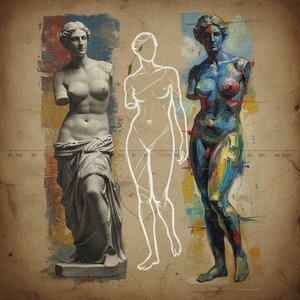
The act of adapting art is as old as art itself. In antiquity, Roman sculptors routinely copied Greek originals, not necessarily as acts of plagiarism but as demonstrations of skill and a means of preserving cultural heritage. During the Renaissance, artists meticulously studied classical forms, incorporating them into their own works – often with subtle alterations that reflected contemporary aesthetics and philosophical ideals. Commissioned copies were commonplace, serving as status symbols or tools for artistic study. The advent of printmaking in the 19th century democratized access to these images, allowing a wider audience to own reproductions, though typically faithful representations. Photography further expanded this accessibility, yet it was the digital revolution that truly unlocked widespread personalization. Suddenly, manipulating images became commonplace, and the very notion of ‘originality’ began to be questioned. This shift wasn't about diminishing the value of the originals; it was about expanding the possibilities of artistic expression.
Personalization & Portraiture: The Rise of the Contemporary Self-Representation
Self-portraiture, or Autoportraiture is the field of art theory and history that studies the history, means of production, circulation, reception, forms, and meanings of self-portraits. Emerging in Antiquity and becoming popular from the Renaissance ...
The desire for personalization finds a particularly potent expression in portraiture. Historically, portraits were reserved for the elite – rulers, nobles, and religious figures seeking to immortalize their status and power. From Albrecht Dürer’s introspective self-studies to Rembrandt's explorations of aging, self-portraiture was a deeply personal act, a means of understanding identity and technical skill. However, the proliferation of ‘selfies’ and social media imagery represents a paradigm shift. We now live in an age where individuals actively shape their own image, curating online personas and seeking validation through visual representation. This impulse extends to adapting classical art – people are no longer passive viewers but active participants, incorporating elements of famous paintings into their own self-portraits or commissioning works that reflect their personal identity within the framework of established artistic traditions. The act of recreating a Rembrandt self-portrait, for example, becomes a form of self-fashioning, allowing individuals to embody and reinterpret historical notions of artistry and selfhood.
Techniques of Transformation: How Artists Breathe New Life into Old Forms
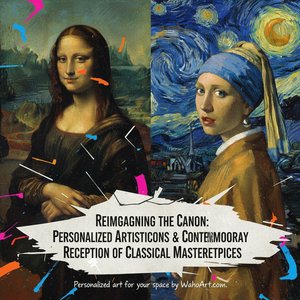
Contemporary artists employ a diverse range of techniques to breathe new life into classical forms. Direct recreations with modern subjects are common – imagine a famous painting reimagined with contemporary figures, subtly altering the narrative to reflect present-day concerns. Thematic explorations inspired by the original work involve extracting key motifs or symbols and recontextualizing them within a new artistic framework. Deconstruction is another powerful approach, challenging the underlying assumptions of the original artwork through fragmentation, distortion, or juxtaposition. Consider the masterful use of chiaroscuro, borrowed from masters like Rembrandt, to create dramatic lighting effects and evoke emotional depth in contemporary portraits. Or the subtle application of sfumato, a technique perfected by Leonardo da Vinci, to soften outlines and create a sense of mystery. These aren’t simply imitations; they are informed reinterpretations that demonstrate a deep understanding of artistic principles.
Beyond Aesthetics: Exploring Themes and Symbolism in Reimagined Classics
The enduring power of classical art lies not just in its aesthetic beauty but also in the rich tapestry of themes and symbolism it embodies. Mythology, allegory, religious iconography – these are universal narratives that continue to resonate with audiences today. Contemporary artists often tap into this wellspring of meaning, incorporating modern symbols into classical compositions to create new layers of interpretation. For example, an artist might reimagine a Renaissance painting featuring allegorical figures representing virtue and vice, subtly altering the symbolism to reflect contemporary social issues. This isn’t about simply replicating the original artwork; it's about engaging in a dialogue with its underlying themes and challenging viewers to reconsider their own values and beliefs. The careful selection of color palettes, compositional elements, and subject matter all contribute to this process of reinterpretation.
Collecting the Contemporary Adaptation: A Guide for Enthusiasts
As interest in contemporary art continues to grow, collecting reimagined classics offers a unique opportunity to acquire works that are both visually stunning and intellectually engaging. Look for artists who demonstrate a deep understanding of art history and employ innovative techniques to breathe new life into established forms. Consider the narrative behind the artwork – what themes is it exploring? What symbols are being used? And most importantly, does it resonate with you on an emotional level? OriginalUniqueArt offers a curated selection of high-quality reproductions and custom portraits, allowing you to explore this fascinating world firsthand. Our expert consultants can provide personalized guidance, helping you choose artworks that match your space or vision. Whether you’re a seasoned collector or just beginning your art journey, we invite you to discover the enduring power of classical masterpieces reimagined for the contemporary age.