The Rise of Dynastic Portraiture: Establishing Lineage & Authority
Before the advent of photography, the portrait served as far more than a mere likeness; it was an assertion of power, a carefully constructed narrative of lineage and authority. From the earliest depictions of rulers in ancient Egypt to the burgeoning Renaissance courts of Italy, portraits were intrinsically linked with the consolidation and perpetuation of dynastic control. Initially reserved for those of immense wealth and status – pharaohs, emperors, kings – these images weren’t simply representations but instruments of statecraft. They communicated legitimacy, divine right, and a carefully curated image of strength and stability. The very act of commissioning a portrait was a display of affluence, signifying the sitter's ability to command resources and artistic talent. Early examples often adhered to strict conventions – profile views echoing classical sculpture, symbolic garments denoting rank, and idealized features projecting an aura of timeless power. These weren’t attempts at photographic realism but rather carefully constructed archetypes designed to inspire awe and obedience.
Renaissance Splendor: Humanism, Realism & Noble Representation
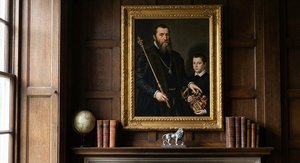
 Henry Brandon
Admire Hans Holbein’s ‘Henry Brandon,’ a stunning Tudor portrait showcasing remarkable realism & detail. A masterpiece of Northern Renaissance art – own a unique reproduction!
The Renaissance witnessed a profound shift in the purpose and aesthetic of portraiture. Fueled by a renewed interest in classical antiquity and the burgeoning philosophy of humanism, artists began to move beyond purely symbolic representation towards a more nuanced exploration of individual character. While maintaining the core function of establishing lineage, Renaissance portraits also sought to capture the sitter’s intellect, personality, and social standing. The works of Hans Holbein the Younger exemplify this transition beautifully. His portraits of Henry Howard, Earl of Surrey, and Henry Brandon are not merely depictions of Tudor nobility; they are psychological studies rendered with astonishing realism. The meticulous detail in fabric, jewelry, and facial features speaks to a new level of artistic skill, but it’s the subtle expressions – the intelligence in their eyes, the slight turn of the mouth – that truly bring these figures to life. This period also saw the rise of the three-quarter pose, allowing for greater engagement between sitter and viewer, fostering a sense of intimacy previously absent from formal portraiture. The patronage of powerful families like the Medici further fueled this artistic innovation, with portraits becoming increasingly sophisticated statements of wealth, power, and cultural refinement.
Baroque Grandeur: Power, Allegory and the Performance of Nobility
As the Renaissance gave way to the Baroque era, portraiture became inextricably linked with the performance of power. Artists like Hyacinthe Rigaud crafted images that weren’t simply representations of individuals but elaborate theatrical displays designed to project an aura of absolute authority. The scale of these portraits often dwarfed the viewer, emphasizing the sitter's importance and dominance. Rich fabrics, opulent settings, and dramatic lighting all contributed to this sense of grandeur. Allegorical elements became increasingly common, with sitters depicted alongside symbols of their virtues, accomplishments, or lineage. These weren’t just portraits; they were carefully constructed narratives intended to reinforce the sitter’s position at the apex of society. The court of Louis XIV epitomized this aesthetic, with portraits serving as essential tools in solidifying his image as the “Sun King.” The emphasis shifted from subtle psychological insight to overt displays of wealth, power, and divine right.
Rococo Aristocracy: Intimacy, Leisure & the Refinement of Taste
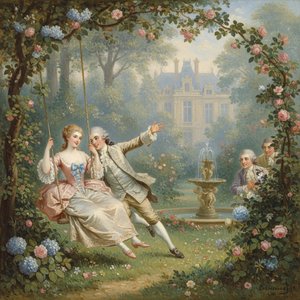
 Reflections of Power: Aristocratic Life in Western Art & the Rococo Era
Explore the captivating world of aristocratic life through Western art history. Discover Rococo masterpieces & portraits of European nobility. Expert insights for collectors and enthusiasts.
The Rococo period marked a departure from the Baroque’s overt grandeur, embracing instead a more intimate and refined aesthetic. Portraits became less about projecting absolute authority and more about celebrating the pleasures of aristocratic life – leisure, elegance, and intellectual pursuits. Artists like Jean-Baptiste-Siméon Chardin captured this shift beautifully, depicting sitters in relaxed poses within elegant interiors. While still conveying status through luxurious surroundings and fashionable attire, Rococo portraits emphasized personality and charm over overt displays of power. The focus shifted to the sitter’s social graces and refined taste, reflecting a society increasingly concerned with aesthetics and personal enjoyment. This period also saw a rise in *fête galante* scenes – outdoor gatherings depicting aristocratic couples enjoying idyllic landscapes – further emphasizing the pleasures of leisure and courtship. The portraits were less about ruling and more about reveling in the privileges of noble birth.
Beyond Likeness: The Portrait as a Reflection of Social Status & Ideals
Throughout these periods, it’s crucial to remember that every element within a portrait – from clothing and pose to setting and symbolism – was carefully chosen to convey specific messages about the sitter's social status and ideals. The choice of fabric, for example, could indicate wealth, rank, or religious affiliation. A particular gesture might signify intelligence, piety, or military prowess. The inclusion of certain objects – books, musical instruments, scientific tools – could highlight the sitter’s intellectual pursuits or cultural interests. Portraiture wasn't simply about recording a likeness; it was about constructing an identity. Furthermore, the very act of commissioning a portrait served as a demonstration of social standing, signifying the sitter’s ability to command artistic talent and financial resources. The artist themselves played a crucial role in this process, often collaborating closely with the sitter to create an image that accurately reflected their desired persona.
Preserving Legacy: Custom Portraits & the Enduring Symbolism of Noble Families
The desire to preserve family legacy has always been at the heart of portraiture. From Renaissance dynasties establishing their lineage to modern families seeking to capture cherished memories, portraits serve as enduring symbols of identity and connection. Today, OriginalUniqueArt offers the opportunity to recreate these masterpieces – or commission entirely new works in the style of your favorite artist – allowing you to participate in this centuries-old tradition. Whether you seek a stunning reproduction of a Holbein portrait to adorn your home or a custom painting based on a cherished family photograph, our skilled artists can bring your vision to life with museum-quality detail and authenticity. A custom portrait is more than just an artwork; it’s an investment in your family history, a tangible expression of your values, and a timeless heirloom that will be treasured for generations. Explore the captivating world of noble portraits and discover how OriginalUniqueArt can help you preserve your own legacy.