The Rise of Culturally Themed Collections: Beyond Aesthetics
 Collezione Borromeo
Discover Palazzo Borromeo on Isola Bella! Explore Baroque art, Flemish tapestries & stunning gardens. See the Galleria Berthier & learn about the historic Stresa Conference. Hand-painted reproductions available.
The modern luxury interior has undergone a quiet revolution, shifting from a display of affluence to an expression of deeply personal narrative. No longer content with simply acquiring beautiful objects, discerning clients now seek pieces that resonate with their experiences, values, and intellectual curiosity. This evolution has fueled a remarkable surge in the popularity of culturally themed art collections – not as isolated decorative elements, but as carefully constructed dialogues between history, symbolism, and individual identity. The impulse isn’t merely to *own* art from a particular culture; it's to understand its context, appreciate its nuances, and weave its story into the fabric of one’s own life.
Consider the growing fascination with Ukiyo-e prints – the vibrant woodblock masterpieces of Edo-period Japan. These aren’t simply aesthetically pleasing images; they offer a window into a vanished world, depicting scenes of daily life, celebrated courtesans, and breathtaking landscapes. A truly curated collection wouldn't just hang these prints on a wall; it would incorporate elements that evoke the atmosphere of a traditional Japanese tea house – minimalist furniture crafted from natural wood, delicate ceramics, perhaps even a carefully chosen bonsai tree. The power lies in creating an immersive experience, transporting the viewer to another time and place. Similarly, a collection centered around Moroccan textiles might be paired with architectural details inspired by riads – intricate tilework, arched doorways, and lush indoor gardens. This isn’t about replication; it's about evoking a feeling, a sense of place, through thoughtful juxtaposition.
The most successful culturally themed collections are those that demonstrate a deep respect for the artistic traditions they represent. This often involves layering pieces from different periods – pairing a vintage artifact with a contemporary interpretation created by a living artist. The key is to find harmony between tradition and innovation, creating a visual dialogue that celebrates both the past and the present.
Curating with Context: Provenance, Ethics & Storytelling in Art Acquisition
 The Curated Interior: Emotional Resonance & Spatial Harmony Through Art Display
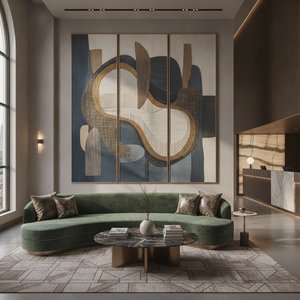
Discover how art transforms interiors into emotionally resonant spaces. Expert guidance on curation, bespoke commissions & the psychology of design for luxury homes. Elevate your space with OriginalUniqueArt.
The art world has long valued provenance – the documented history of an artwork’s ownership – but its importance is now extending beyond the realm of high-end auctions. For luxury clients, knowing the story behind a piece adds immeasurable value, transforming it from a mere object into a tangible link to the past. A painting with a fascinating lineage – perhaps once belonging to a renowned collector or displayed in a historic salon – becomes far more than just an aesthetic pleasure; it’s a conversation starter, a symbol of discerning taste, and a testament to its enduring legacy.
However, provenance is only one piece of the puzzle. Increasingly, clients are demanding ethical sourcing, ensuring that their acquisitions support artists directly and avoid exploitative practices. This involves researching the artist’s background, understanding their working conditions, and verifying the authenticity of the artwork. The concept of ‘content curation’ – selecting, organizing, and presenting information in a valuable way – is paramount here. A skilled curator doesn't simply acquire beautiful objects; they meticulously research their origins, ensuring that each piece has been obtained responsibly.
Digital tools can assist in this process, providing access to online databases of artists and auction records. However, manual curation remains crucial, relying on expert knowledge and personal connections. The most discerning collectors often work with art advisors who have a deep understanding of specific cultures and artistic traditions. These advisors can provide invaluable guidance on selection, authentication, and ethical sourcing.
Art as Identity: Integrating Family Heirlooms and Personal Narratives
Luxury interiors are at their most compelling when they tell a story – the homeowner’s story. Incorporating family heirlooms, vintage photographs, or culturally significant objects adds layers of depth and authenticity to the space, creating a sense of continuity and personal connection. These pieces serve as tangible reminders of cherished memories, evoking emotions and connecting generations.
The challenge lies in blending these objects seamlessly with modern design elements. An antique Persian rug might be paired with contemporary furniture and minimalist artwork, creating a striking contrast that highlights both the tradition and innovation. A collection of vintage travel posters could be displayed alongside abstract paintings inspired by the same destinations. The key is to find harmony between past and present, creating a cohesive visual narrative.
Consideration must also be given to preservation – delicate heirlooms may require specialized care or display cases. Working with a designer who understands the historical context of these objects is crucial; they can advise on appropriate placement, lighting, and framing. The goal isn’t simply to display these objects; it's to integrate them into the fabric of daily life, creating a space that feels both personal and meaningful.
Luxury Hospitality & the Power of Place-Based Art Programs
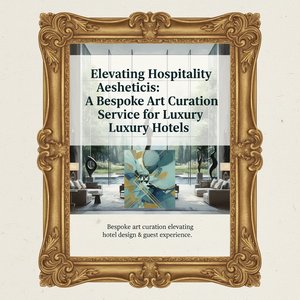
 Elevating Interiors: A Curated Guide to Art Selection for Luxury Hospitality Spaces
Elevate your hotel's design with ’s expert art consultation & curated collections. Discover bespoke solutions, fine art reproductions & seamless integration for luxury hospitality spaces. Trusted by designers worldwide.
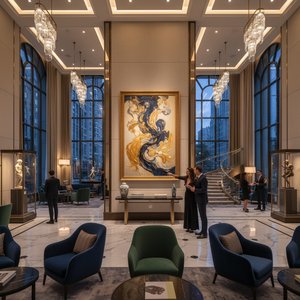
Luxury hotels are increasingly recognizing art as a key differentiator – a powerful tool for attracting discerning travelers who value cultural experiences. A thoughtfully curated collection can communicate a sense of place, history, and sophistication, transforming a hotel from a mere accommodation into an immersive destination.
Bespoke solutions are often preferred, commissioning artists to create site-specific works that reflect the hotel’s location or brand aesthetic. For example, a boutique hotel in Kyoto might commission contemporary calligraphy inspired by traditional Japanese art forms, while a resort in the Caribbean could showcase paintings by local artists depicting the island’s vibrant landscapes and culture. Seamless integration is crucial; artwork should complement the architecture and interior design without feeling forced or contrived.
Durability and maintenance are also paramount – pieces need to withstand high traffic and frequent cleaning. Fine art reproductions offer a cost-effective alternative to originals, allowing hotels to create visually stunning environments without incurring exorbitant costs. Trusted designers are essential in navigating this process, providing expert guidance on selection, installation, and ongoing care.
Sustainable Sourcing: Artisanal Materials and Ethical Considerations
Luxury consumers are increasingly aware of the environmental and social impact of their purchases. Sustainable and artisanal materials – reclaimed wood, handwoven textiles, ceramics made by local artisans – offer a responsible alternative to mass-produced goods. These materials not only enhance the aesthetic appeal of the space but also support traditional craftsmanship and preserve cultural heritage.
Incorporating hand-carved furniture from Bali or Italian marble surfaces adds elegance and a touch of history, while supporting local communities and reducing environmental impact. The provenance of these materials is crucial; clients want to know where they came from and how they were produced. Working with designers who prioritize ethical sourcing is essential; they can ensure that the materials are obtained responsibly and support fair labor practices.
This commitment to sustainability extends beyond the materials themselves, encompassing the entire production process – from transportation and packaging to waste management. Luxury interiors are no longer simply about aesthetics; they’re about making conscious choices that reflect a respect for both people and the planet.
The Role of Lighting in Showcasing Cultural Depth and Artistic Value
Often overlooked, lighting plays a transformative role in shaping the mood and ambiance of a space. Artistic lighting installations – custom chandeliers, geometric fixtures, sculptural lamps – add style and sophistication to luxury interiors. For homes that feature art collections, gallery-style lighting ensures each piece is highlighted, transforming the space into a private museum.
Consideration must be given to color temperature and intensity; different types of artwork require different lighting schemes. Soft, layered lighting creates a warm and inviting ambiance, while dramatic spotlighting emphasizes specific features or textures. Incorporating culturally inspired lighting fixtures – Moroccan lanterns, Japanese paper lamps – can further enhance the theme of the collection.
Working with a lighting designer is essential; they can advise on appropriate placement, intensity, and color temperature to create the desired effect. The goal isn’t simply to illuminate the artwork; it's to create an emotional connection with the viewer, drawing them in and allowing them to fully appreciate its beauty and depth.