Expressionism · 1910
Quérido (Theo van Doesburg, 1910)
Theo van Doesburg (1883–1931) on luonut teoksen Quérido. Se on peräisin vuodelta 1910. Se kuuluu Expressionism-liikkeeseen. Se on valmistettu materiaalilla Charcoal.
- 1910
- Charcoal

 Esikatselu

 Käsinmaalattu öljymaalaus
 Jaa teos
 Jaa
 Opas


 Lataa kuva
 Samanlaisia kohteita
 Röntgenkuvaus
 Diaesitys
 Kysymykset ja vastaukset

 Tilastot
Quérido: tärkeimmät tiedot
- Otsikko
- Quérido
- Taiteilija
- Theo van Doesburg (1883–1931)
- Taiteilija syntynyt
- Utrecht, Alankomaat
- Päivämäärä
- 1910
- Tekniikka
- Charcoal
- Tyylisuunta
- Expressionism
- Aikakausi
- Modern
- Aihe
- man, portrait, face, shoulders, scarf, short hair
Mitä Quérido esittää?
The Portrait of a Man by Theo van Doesburg
In the quiet intensity of Quérido, Theo van Doesburg captures a man caught in a moment of profound stillness. Created about 1910, this portrait presents a figure whose presence feels immediate and heavy. The subject gazes forward with an expression that suggests deep introspection, pulling the viewer into a silent, psychological encounter. He possesses short hair and wears a scarf or collar around his neck, details that anchor the figure within the frame. There is a certain weight to his stare, a directness that refuses to look away.
The composition focuses entirely on the man, cropping the view tightly around his head and shoulders. This closeness strips away the distractions of the surrounding world, leaving only the essential form of the person. Every line and shadow works to define the contours of his face, creating a sense of volume that feels tangible. The man exists in a space where the background has retreated, leaving his features to command the entirety of the viewer's attention. It is a study of a human presence, stripped of ornament and focused on the gravity of a single, unmoving moment.
Composition and Visual Elements of the Portrait
The subject sits centered, facing forward in a tight, intimate framing that leaves no room for distraction. The composition pulls the viewer inward, focusing entirely on the head and shoulders of the man. This close-up approach eliminates any sense of a wider environment, stripping away the background to ensure all attention remains on the figure. His direct gaze meets the viewer with a heavy sense of intensity, suggesting a moment of deep introspection or a quiet, psychological encounter.
A monochromatic palette of grayscale tones defines the visual field, moving from the deepest blacks to the lightest whites. Light descends from above, casting shadows that trace the roundness of the face and the contours of the neck. Because the framing is so close and the background remains empty, perspective feels minimal. Instead, a sense of depth emerges through subtle tonal variations and the way lines overlap to suggest form.
Technique and Artistic Materials Used
The artist works with charcoal or pencil upon paper, leaving behind a stark and graphic presence. Every stroke carries a specific weight, moving between deep, heavy blacks and the lightest grays to build a sense of volume. Through the deliberate application of hatching and cross-hatching, the surface gains a tactile quality that suggests depth without the need for color. These intersecting lines build up tonal values, creating a play of light and shadow that defines the contours of the face and the folds of the clothing.
Lines act as the primary architect of this form, used extensively to trace the delicate features of the eyes, the bridge of the nose, and the curve of the mouth. The texture of the hair and the heavy drape of the fabric emerge from the density and direction of these marks. By varying the thickness and pressure of the tool, the artist simulates the physical sensation of different surfaces. This approach emphasizes a simplification of form, where the focus shifts away from literal representation toward a powerful interplay of line and tonal contrast.
Quérido korkealla resoluutiolla
Tekijänoikeudet: taiteilija kuoli vuonna 1931.
Theo van Doesburg, Quérido (1910). Tekijänoikeudet vapaat.
Digitaalinen asiantuntija vertaa värit alkuperäiseen maalaukseen ja jälkikäsittelee tiedoston taiteilijan siveltimenjälkiä uskollisesti noudattaen.
Osta korkearesoluutioinen kuvaKysymyksiä teoksesta Quérido
Milloin teos Theo van Doesburg:n "Quérido" on luotu?
Teos Theo van Doesburg:n "Quérido" on valmistunut vuonna 1910.
Mitä tekniikkaa teoksessa Theo van Doesburg:n "Quérido" on käytetty?
Theo van Doesburg käytti teoksessa "Quérido" Charcoal-tekniikkaa. Tekniikka määrittelee alkuperäisen teoksen materiaalisen luonteen.
Mitä aiheita teoksessa Theo van Doesburg:n "Quérido" esiintyy?
Teoksen Theo van Doesburg:n "Quérido" teemoihin kuuluvat man, portrait, face, shoulders, scarf, short hair. Yhdessä ne tiivistävät teoksen aiheen.
Onko teos "Quérido" tekijänoikeusvapaa?
Tekijänoikeustiedot teokselle Theo van Doesburg:n "Quérido": teos on vapaasti käytettävissä – tekijänoikeussuoja on päättynyt. Tämä määrittää, voidaanko kuvasta tehdä vapaasti jäljennöksiä.
Kuka on teoksen "Quérido" taiteilija?
Teoksen "Quérido" taiteilija on Theo van Doesburg. Teos on luetteloitu Theo van Doesburg nimellä.
Mihin tyylisuuntaan "Quérido" kuuluu?
"Quérido" on Expressionism-tyylisuuntaan kuuluva teos. Tyylisuunta ilmaisee taiteellisen perinteen, johon teos kuuluu.
Mihin kohtaan Theo van Doesburg uraa teos "Quérido" sijoittuu?
"Quérido" edustaa taiteilijan Theo van Doesburg tuotantokautta Early Period."
Kuinka vanha Theo van Doesburg oli tehdessään "Quérido"?
Kun "Quérido" luotiin vuonna 1910, Theo van Doesburg (syntynyt 1883) oli 27 vuotias.
Mikä selittää teoksen Theo van Doesburg:n "Quérido" tekijänoikeustilanteen?
Theo van Doesburg:n "Quérido" on vapaasti käytettävissä – tekijänoikeussuoja on päättynyt. Tekijänoikeuden voimassaolo lasketaan taiteilijan kuolinvuodesta, joka oli 1931.
Tietoa taiteilijasta, Theo van Doesburg

1883–1931, Alankomaat
Theo van Doesburg
Theo van Doesburg: Arkkitehdin Abstraktio – Elämä Geometrisessä Harmoniassa Theo van Doesburg, syntynyt Christian Emil Marie Küpper nimellä vuonna 1883 Utrechtissa, Alankomaissa, oli paljon enemmän kuin pelkästään maalaaja; hän oli vallankumouksen tuuletin, joka muutti syvällisesti modernin taiteen perusteita. Hänen matkansa alkoi hämärtyvien Impressionismin ja Post-Impressionismin varjossa, heijastaen aluksi tyylejä, jotka muistuttivat Vincent van Gogia – sekä aihepiireissä että tunteellisessa intensiteetissä. Tämä varhainen vaihe toimi kuitenkin kriittisenä esiaskeleena radikaalille muutokselle, joka määrittäisi hänen ikuisen perintönsä. Ratkaiseva hetki koitti vuonna 1913 hänen kohtaamisensa Wassily Kandinskin *Rückblicke* -tekstin kanssa.
Tietoa kohteesta Theo van Doesburg Theo van Doesburgn merkittävimpiä teoksia
Myös Theo van Doesburg -teoksia
 Counter composition XV1925
 Rhythm of a Russian Dance
 Troelstra1910
 Study for Composition VIII (The Cow)1918
Esseitä teoksesta Quérido
 The Visceral Turn: Exploring Emotional Intensity in ExpressionismExplore the powerful world of Expressionism with OriginalUniqueArt. Discover key artists like Kirchner & Nolde, understand its emotional im…
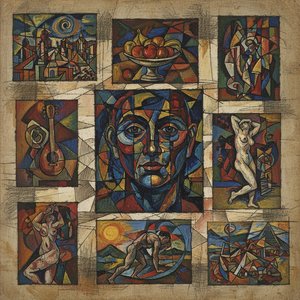 Kubismin ja ekspressionismin mestariteokset: 10 taideteosta, jotka muuttivat maailmaaTutustu kubismin ja ekspressionismin 10 ikonista mestariteosta! Picasso, Braque & Kandinsky – taiteen historiaa OriginalUniqueArt.comissa. …
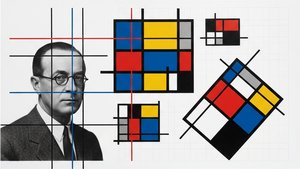 Theo van Doesburg: Pioneering De Stijl & the Evolution of Neo-PlasticismExplore the revolutionary De Stijl movement & Neo-Plasticism with our expert guide. Discover Piet Mondrian, Theo van Doesburg, and the last…