Symbolism · 1910
Memory (Sergei Solomko, 1910)
Sergei Solomko (1867–1928) on luonut teoksen Memory. Se on peräisin vuodelta 1910. Se kuuluu Symbolism-liikkeeseen. Se on valmistettu materiaalilla Watercolor.
- 1910
- Watercolor

 Esikatselu

 Käsinmaalattu öljymaalaus
 Jaa teos
 Jaa
 Tiedot-arkki


 Lataa kuva
 Samanlaisia kohteita
 Röntgenkuvaus
 Diaesitys
 Kysymykset ja vastaukset

 Tilastot
Memory lyhyesti
- Otsikko
- Memory
- Taiteilija
- Sergei Solomko (1867–1928)
- Taiteilija syntynyt
- Saint Petersburg, Venäjä
- Päivämäärä
- 1910
- Tekniikka
- Watercolor
- Tyylisuunta
- Symbolism
- Aikakausi
- 19th Century
- Aihe
- ethereal figure, spectral woman, old man wisdom, glowing sun symbol, folklore imagery, romantic landscape
Mitä Memory esittää?
Identification of Memory by Sergey Solomko
The scene unfolds within the work titled Memory, a creation by the artist Sergey Solomko. This piece emerges from 1910, a moment when the artist's hand captures a sense of ethereal presence. The image holds a quiet weight, as if a single breath has been suspended in time. It invites a sense of wonder regarding the figures that inhabit its soft, dreamlike space.
Sergey Solomko brings his unique vision to this composition, drawing from a life that began in 1867 in Saint Petersburg, Russia. His origins in this city shape the very essence of his perspective. The work exists as a window into a world of soft light and subtle shadows. It carries the unmistakable touch of a creator who understands the delicate balance between the seen and the unseen.
Visual Composition and Subject Matter
A seated elderly man, his long white beard catching the light, anchors the scene. Beside him, a young woman appears almost translucent, a spectral presence drifting near the edge of a quiet body of water. The vertical composition draws the eye upward from the figures toward a backdrop of trees and a vast sky. A large, glowing sun hangs in the distance, casting a bright reflection across the surface of the water that seems to bridge the gap between the physical and the ethereal.
The encounter between the old man and this ghostly figure suggests a quiet moment of supernatural visitation. One wonders if she is a spirit guide or a manifestation of the past. This meeting hints at deep themes of mortality and the weight of wisdom. The stillness of the water and the soft light create a sense of intimacy, as if the viewer has stumbled upon a private moment between the living and the remembered.
Artistic Style and Visual Qualities
The scene unfolds through a style that leans toward Romanticism or Symbolism, where the atmosphere carries more weight than strict realism. Every line flows in gentle, organic curves, tracing the edges of the trees and the soft contours of the figures. This rhythmic movement creates a dreamlike quality that pulls the viewer into a quiet, suspended moment. The technique appears to be watercolor or gouache on paper, lending a delicate, painted texture to the entire composition. It feels as though the image is a fragment of a half-remembered dream, preserved through soft brushstrokes and a gentle blending of forms.
Light behaves with a soft, diffused quality in this work. It emanates from the large, glowing sun, casting a warm and even radiance across the landscape. This light does not create harsh shadows but instead bathes the figures and the water in a subtle, pearlescent glow. The colors remain muted and carefully blended, working together to maintain a harmonious and slightly melancholic mood. There is a sense of stillness here, as if the air itself is heavy with the weight of the encounter.
A faded quality permeates the surface, consistent with the age of the piece. This patina adds a layer of nostalgic charm, as if the colors have softened through decades of quiet observation. The shallow perspective keeps the focus intimate, drawing the eye toward the interaction between the elderly man and the spectral woman. Every element, from the organic shapes of the background to the translucent quality of the female figure, contributes to a sense of profound mystery and quietude.
Memory korkearesoluutioiset kuvat
Sergei Solomko, Memory (1910). Tekijänoikeudet vapaat.
Kysymyksiä teoksesta Memory, vastaukset
Milloin "Memory" on tehty?
Teos Sergei Solomko:n "Memory" on valmistunut vuonna 1910.
Mitä tekniikkaa Sergei Solomko:n "Memory" on käytetty?
Teoksen Sergei Solomko:n "Memory" tekniikka on Watercolor. Vedosten tavoitteena on jäljitellä tämän tekniikan ulkoasua.
Mitä "Memory" esittää?
Teoksen Sergei Solomko:n "Memory" teemoihin kuuluvat ethereal figure, spectral woman, old man wisdom, glowing sun symbol, folklore imagery, romantic landscape, melancholy mood, vintage illustration. Yhdessä ne tiivistävät teoksen aiheen.
Onko teos "Memory" tekijänoikeusvapaa?
Sergei Solomko:n "Memory" on vapaasti käytettävissä – tekijänoikeussuoja on päättynyt. Tämä tila määrittää, miten teoksen kuvaa saa käyttää uudelleen.
Kuka on teoksen "Memory" taiteilija?
Teos "Memory" on yhdistetty Sergei Solomko.
Mihin tyylisuuntaan "Memory" kuuluu?
Teoksen Sergei Solomko:n "Memory" tyylisuunta on Symbolism. Tämä luokittelu sijoittaa teoksen muiden samankaltaisten taiteilijoiden ja teosten joukkoon.
Mihin vaiheeseen Sergei Solomkoin kehityksestä "Memory" edustaa?
"Memory" edustaa taiteilijan Sergei Solomko tuotantokautta Early 20th Century."
Kuinka vanha Sergei Solomko oli luodessaan "Memory" vuonna 1910?
Kun "Memory" luotiin vuonna 1910, Sergei Solomko (syntynyt 1867) oli 43 vuotias.
Miksi teoksen "Memory" tekijänoikeustila on sellainen kuin se on?
Teoksen "Memory" tekijänoikeustilanne (vapaasti käytettävissä – tekijänoikeussuoja on päättynyt) määräytyy taiteilijan kuolinvuoden 1928 perusteella.
Tietoa taiteilijasta, Sergei Solomko
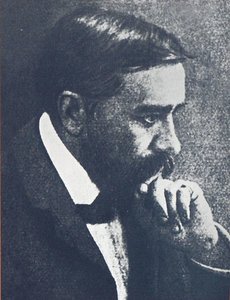
1867–1928, Venäjä
Sergei Solomko
Sergej Solomko: Elämä ja perintö Varhaiset vuodet ja koulutus Syntynyt: 22. elokuuta 1867, Pietarissa, Venäjä. Sergej Sergejevitš Solomko oli kenraali (myöhemmin kenraali) Sergey Solomkon poika, joka palveli suuriruhtikuja Konstantin Nikolayevichin alaisuudessa. Hän kasvoi Konstantinovskin palatsissa, mikä antoi hänelle varhaisen kosketuksen aristokraattiseen elämään ja kulttuuriin.
Tietoa kohteesta Sergei Solomko Sergei Solomkon merkittävimpiä teoksia
Myös Sergei Solomko -teoksia
 Sketch of the poster. Pillory.1916
 Priestess1915
 Blarney
 Find
Esseitä teoksesta Memory
 Russian artworks of the 1900sRussian art from the 1900s features the brilliance of Wassily Kandinsky, Konstantin Korovin, and Boris Kustodiev. Shop museum-quality print…
 Dreams on Canvas: Understanding Automatist and Veristic SurrealismMaster the differences between Automatist and Veristic Surrealism. Explore the works of Dali and Miro to decode the dreamscape today.
 Russian artworks of the 1910sRussian Avant-Garde masterpieces from the 1910s by Wassily Kandinsky, Boris Kustodiev, and Kuzma Petrov-Vodkin. View the collection at Orig…