Cubism · 1912
Window (Robert Delaunay, 1912)
Robert Delaunay (1885–1941) on luonut teoksen Window. Se on peräisin vuodelta 1912. Se kuuluu Cubism-liikkeeseen. Se on valmistettu materiaalilla Oil. Teos sijaitsee Tate Liverpool -museossa paikassa Liverpool, Yhdistynyt kuningaskunta.
- 1912
- Oil
- Tate Liverpool

 Esikatselu

 Käsinmaalattu öljymaalaus
 Jaa teos
 Jaa
 Tiedot-arkki


 Lataa kuva
 Samanlaisia kohteita
 Röntgenkuvaus
 Diaesitys
 Kysymykset ja vastaukset

 Tilastot
Window lyhyesti
- Otsikko
- Window
- Taiteilija
- Robert Delaunay (1885–1941)
- Taiteilija syntynyt
- Pariisi, Ranska
- Päivämäärä
- 1912
- Tekniikka
- Oil
- Missä teos on nähtävissä
- Tate Liverpool, Liverpool, Yhdistynyt kuningaskunta
- Tyylisuunta
- Cubism
- Aikakausi
- Modern
- Aihe
- abstract, geometric shapes, color palette, window motif, orphism influence, luminosity
Mitä Window esittää?
A Symphony of Light and Geometry
In the early twentieth century, as the world stood on the precipice of profound transformation, Robert Delaunay captured a moment of pure, luminous transcendence in his 1912 masterpiece, "Window." This work is far more than a mere depiction of a windowpane; it is an invitation to witness the birth of Orphism, a movement that sought to liberate color from the constraints of representational form. To gaze upon this painting is to step into a realm where light does not simply illuminate objects but becomes the subject itself. Delaunay masterfully distills the sensory experience of perception, transforming a simple architectural element into a complex mosaic of interlocking rectangles and vibrant squares that seem to pulse with an internal energy.
The brilliance of "Window" lies in its ability to evoke a sense of rhythmic movement through static shapes. Through a sophisticated technique of layered paint application—often incorporating the rich, tactile quality of encaustic wax alongside traditional oils—Delaunay achieved a depth that feels almost ethereal. The subtle gradations of pigment within each geometric cell create a shimmering effect, reminiscent of sunlight filtering through stained glass. This meticulous manipulation of color density allows the viewer to experience a visual dynamism that transcends the flat surface of the canvas, making the piece feel as though it is breathing with light.
The Orphic Vision: Color as Emotion
At the heart of this composition lies the radical philosophy of Orphism. Moving away from the analytical fragmentation of Cubism, Delaunay and his contemporaries embraced a more lyrical approach, prioritizing the emotional resonance of pure color. In "Window," there is no attempt to replicate the naturalistic world; instead, the artist uses hues of deep blue, radiant yellow, and warm orange to communicate a sense of harmony and cosmic order. This focus on pure abstraction allows the painting to function as an emotional landscape, where the interplay of light and shadow serves as a metaphor for the clarity and chaos of human existence.
For the discerning collector or interior designer, this piece offers a unique opportunity to introduce a focal point of sophisticated energy into a space. The painting’s vibrant palette and structured composition make it an ideal centerpiece for modern, minimalist, or even classical interiors, providing a burst of intellectual and visual stimulation. It does not merely decorate a wall; it transforms the atmosphere of a room, inviting contemplation and a renewed appreciation for the beauty found in geometric precision.
A Legacy of Harmony Amidst Change
The historical context of "Window" adds a layer of profound poignancy to its visual splendor. Created during an era of significant societal upheaval, the painting serves as a radiant antidote to the anxieties of the pre-war period. While much of the art of this time grappled with the fragmentation of reality, Delaunay sought to synthesize it, finding a way to weave disparate elements into a cohesive, beautiful whole. This pursuit of geometric harmony reflects a deep-seated desire for stability and beauty amidst a changing world.
Owning a high-quality reproduction of this seminal work allows one to possess a fragment of art history—a piece that embodies the courage of innovation and the timeless allure of light. "Window" remains a testament to the power of abstraction to touch the human spirit, offering a window not just into a room, but into the very essence of light and color.
Missä museossa teos Window on?
Tate Liverpool
Liverpool, Yhdistynyt kuningaskunta
Tate Liverpool: Merenkulun perinnön ja modernin taiteen kohtaaminen Liverpoolin historiallisessa Royal Albert Dockissa sijaitseva Tate Liverpool on todellinen osoitus taiteellisesta innovaatiosta ja luovasta uudelleenkäytöstä. Vuonna 1988 perustettu galleria aloitti kunnianhimoisen projektin, jonka johtajana toimi arkkitehti James Stirling. Projektissa ränsistynyt varasto muuttui eläväiseksi tilaksi, jossa esitellään sekä nykytaidetta että brittiläisiä mestariteoksia jo 1500-luvulta lähtien.

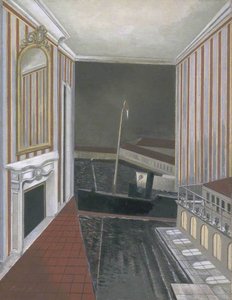

Window korkearesoluutioiset kuvat

Robert Delaunay, Window (1912), Tate Liverpool. Tekijänoikeudet vapaat.
Kysymyksiä teoksesta Window, vastaukset
Missä teosta Robert Delaunay:n "Window" voidaan tällä hetkellä nähdä?
Alkuperäinen Robert Delaunay:n "Window" on osa Tate Liverpool, Liverpool, Yhdistynyt kuningaskunta-museon kokoelmaa. Reproduktio mahdollistaa teoksen näyttämisen kotona.
Milloin teos Robert Delaunay:n "Window" on luotu?
Robert Delaunay:n "Window" on luotu vuonna 1912.
Mitä tekniikkaa teoksessa Robert Delaunay:n "Window" on käytetty?
Teoksen Robert Delaunay:n "Window" tekniikka on Oil. Vedosten tavoitteena on jäljitellä tämän tekniikan ulkoasua.
Mitä aiheita teoksessa Robert Delaunay:n "Window" esiintyy?
Teoksen "Window" aiheina ovat abstract, geometric shapes, color palette, window motif, orphism influence, luminosity, composition.
Onko teos "Window" tekijänoikeusvapaa?
Tekijänoikeustiedot teokselle Robert Delaunay:n "Window": teos on vapaasti käytettävissä – tekijänoikeussuoja on päättynyt. Tämä määrittää, voidaanko kuvasta tehdä vapaasti jäljennöksiä.
Kenen teokseksi "Window" on merkitty?
Teoksen "Window" taiteilija on Robert Delaunay. Teos on luetteloitu Robert Delaunay nimellä.
Mihin tyylisuuntaan "Window" kuuluu?
Teoksen Robert Delaunay:n "Window" tyylisuunta on Cubism. Tämä luokittelu sijoittaa teoksen muiden samankaltaisten taiteilijoiden ja teosten joukkoon.
Mihin Robert Delaunay'n uran vaiheeseen "Window" kuuluu?
"Window" kuuluu Robert Delaunay uran Mature Period-vaiheeseen. Tämä luokittelu yhdistää teoksen taiteilijan kehitysvaiheeseen.
Kuinka vanha Robert Delaunay oli tehdessään "Window"?
Robert Delaunay loi teoksen "Window" ollessaan 27 vuotias. Taiteilija on syntynyt vuonna 1885 ja teos on ajoitettu vuodelle 1912.
Tietoa taiteilijasta, Robert Delaunay

1885–1941, Ranska
Robert Delaunay
Robert Delaunay (1885–1941): A Pioneer of Abstract Color Robert Delaunay, born in Paris in 1885, emerged as a pivotal figure in the radical artistic shifts of the early twentieth century. Though initially drawn to more traditional forms of painting—particularly decorative arts—his journey swiftly propelled him toward an exploration of color and light that would ultimately define his legacy and contribute significantly to the birth of abstract art. Delaunay wasn’t merely interested in *representing* the world; he sought to capture its very essence through a vibrant language of geometric shapes and luminous hues, co-founding the Orphism movement with his wife, Sonia Delaunay, and others who shared their vision. His early life was marked by instability – his parents divorced when he was young, and he was raised by relatives – but this perhaps fostered an independent spirit that would serve him well in challenging artistic conventions.
Tietoa kohteesta Robert Delaunay Robert Delaunayn merkittävimpiä teoksia
Myös Robert Delaunay -teoksia
 Pariisin Kaupunki1912
 Torni Eiffel1914
 The Eiffel Tower1910
 La ville de Paris1911
Esseitä teoksesta Window
 Geometrisen abstraktion mestariteokset: Taidetta kotiin OriginalUniqueArtiltaTutustu geometrisen abstraktion 10 mestariteokseen! Piet Mondrian, Kandinsky ja muut taiteilijat muovasivat modernin taiteen historiaa. Löy…
 Mastering the Post-Impressionist Vision: A Definitive Guide to the Geometric Soul of Cézanne’s ArtistryExplore the profound legacy of Paul Cézanne. Discover how his mastery of geometric forms and vibrant color bridged Impressionism and Cubism…
 Orphism vs Synchromism: Distinguishing Color, Light, and FormMaster the distinction between Orphism and Synchromism through expert analysis of color and form. Explore the roots of abstraction now.