Abstract Expressionism · 1947
Untitled (Mark Rothko, 1947)
Mark Rothko (1903–1970) on luonut teoksen Untitled. Se on peräisin vuodelta 1947. Se kuuluu Abstract Expressionism-liikkeeseen. Se on valmistettu materiaalilla Acrylic On Canvas. Koko on 96 × 53 cm.
- 1947
- Acrylic On Canvas
- 96 × 53 cm

 Esikatselu

 Käsinmaalattu öljymaalaus
 Jaa teos
 Jaa
 Opas


 Lataa kuva
 Samanlaisia kohteita
 Röntgenkuvaus
 Diaesitys
 Kysymykset ja vastaukset

 Tilastot
Untitled: tärkeimmät tiedot
- Otsikko
- Untitled
- Taiteilija
- Mark Rothko (1903–1970)
- Taiteilija syntynyt
- Daugavpils, Latvia
- Päivämäärä
- 1947
- Tekniikka
- Acrylic On Canvas
- Mitat
- 96 × 53 cm
- Tyylisuunta
- Abstract Expressionism
- Aikakausi
- Modern
- Aihe
- abstract, color field, emotion, tranquility, depth, layered
Mitä Untitled esittää?
A Window into the Soul: Exploring Mark Rothko’s 1947 Untitled Painting
This captivating work by Mark Rothko, created in 1947, exemplifies a pivotal moment in the artist's transition towards his signature Color Field style. Measuring 96 x 53 cm, this painting isn’t about *what* it depicts, but rather *how* it makes you feel – a hallmark of Abstract Expressionism and Rothko’s enduring legacy.Style & Technique: Gestural Abstraction and the Birth of Color Fields
The artwork is deeply rooted in Abstract Expressionism, specifically leaning towards gestural abstraction. Unlike purely abstract works that might emphasize geometric forms, this piece showcases a fluidity and spontaneity achieved through loose brushstrokes and washes of color. Rothko masterfully employs a wet-on-wet blending technique, allowing hues to seamlessly merge and create atmospheric depth. While reminiscent of the later, more defined Color Field paintings – like his iconic series of stacked rectangles – this 1947 work retains a greater textural variation, hinting at the emotional turmoil and experimentation that characterized his artistic evolution. The layering of paint creates a sense of movement within the composition, drawing the eye upwards through subtle shifts in tone and saturation.Historical Context: Post-War Emotion & Artistic Innovation
Created immediately after World War II, this painting reflects the anxieties and existential questioning prevalent during that era. Abstract Expressionism emerged as a response to the horrors of war, rejecting traditional representational art in favor of expressing raw emotion and subjective experience. Rothko, having immigrated from Latvia as a child, carried with him a sense of displacement and cultural shift which profoundly influenced his artistic vision. This period saw American artists seeking new ways to articulate universal human experiences – grief, hope, spirituality – through non-figurative forms.Symbolism & Emotional Resonance
While Rothko resisted explicit interpretations of his work, the painting undeniably evokes a powerful emotional response. The muted tones and lack of defined shapes contribute to a sense of tranquility tinged with melancholy. The amorphous, organic forms suggest hidden depths and invite introspection. It’s not about recognizing *something* in the painting; it's about allowing the colors and textures to resonate within you, prompting personal reflection. Rothko aimed to create paintings that were almost like spiritual experiences – spaces for contemplation and emotional release.Interior Design & Collecting Considerations
This piece, or a high-quality reproduction, would serve as a striking focal point in a modern or minimalist interior. Its subdued palette lends itself well to spaces seeking calm and sophistication. The vertical orientation makes it ideal for hallways or above seating areas. As an early example of Rothko’s evolving style, this work represents a significant investment for collectors interested in the development of Abstract Expressionism. It offers a glimpse into the artist's formative years and foreshadows the iconic Color Field paintings that would define his career.- Dimensions: 96 x 53 cm
- Date: 1947
- Style: Abstract Expressionism, Gestural Abstraction, Color Field (Proto)
- Materials: Likely oil or acrylic on canvas.
Untitled korkealla resoluutiolla
Tekijänoikeudet suojattu: kuva on esitetty vain viitteellisesti.
Lisää kokoja, rajauksia ja viittauksia →Mark Rothko, Untitled (1947).
Kysymyksiä teoksesta Untitled
Mikä on teoksen Mark Rothko:n "Untitled" tekniikka ja valmistumisvuosi?
Teoksen Mark Rothko:n "Untitled" tekniikka on Acrylic On Canvas, ja se on valmistettu vuonna 1947.
Miten teoksen "Untitled" tyyli suhteutuu sen tekijän aikakauteen?
Teoksessa Mark Rothko:n "Untitled" Abstract Expressionism-suuntaus ja Modernismi-aikakausi kohtaavat.
Mikä teos "Untitled" on?
"Untitled" on WallArt-teos.
Mistä löydän oppaan teokseen "Untitled"?
Teoksesta Mark Rothko:n "Untitled" on saatavilla Opas -sivu: tulostettava tietolomake teoksesta, joka on suunniteltu opiskelijoita ja luokkahuonekäyttöä varten.
Mikä tekniikka ja tyyli luonnehtivat teosta Mark Rothko:n "Untitled"?
Mark Rothko:n "Untitled" yhdistää Acrylic On Canvas-tekniikan ja Abstract Expressionism-tyylin. Tekniikka ja tyylisuunta kuvaavat teoksen valmistustapaa ja tyyliä.
Mitä aihetta ja tunnelmaa Mark Rothko:n "Untitled" yhdistää?
"Untitled" esittää aiheita abstract, color field, emotion, tranquility, depth, layered, atmospheric, rothko, ja sen tunnelmaksi on tallennettu Serene.
Mihin käyttöön Mark Rothko:n "Untitled" on suositeltu?
Teoksen "Untitled" painosteelle suositeltu käyttötapa on Mood.
Miten "Untitled" asettuu osaksi Mark Rothko'n muuta tuotantoa?
Mark Rothko'n tuotannossa "Untitled" edustaa Abstract Expressionism-tyyliä ja kytkeytyy key rothko exploration of color & emotio, foundational to his style., color field, abstract expressionism, minimalism, existentialism, post-war anxiety, spiritual reflection teemoihin.
Mihin vaiheeseen Mark Rothko uralla teoksen "Untitled" vuosiluku 1947 sijoittuu?
Vuosiluku 1947 sijoittaa teoksen "Untitled" Mark Rothko:n kehityksen Mature Period-vaiheeseen.
Tietoa taiteilijasta, Mark Rothko

1903–1970, Latvia
Mark Rothko
Mark Rothkon varhaisvuodet Mark Rothko syntyi nimellä Markus Yakovlevich Rothkowitz vuonna 1903. Hänen syntymäpaikkansa oli Dvinsk, Venäjällä, paikassa, joka tunnetaan nykyään nimellä Daugavpils, Latviassa. Hänen perheensä asui juutalaisessa asutusalueessa, niin kutsutussa juutalaisessa vyöhykkeessä, jota leimasi poliittinen levottomuus ja pogromien jatkuva varjo. Tämä epävakauden ilmapiiri seurasi perhettä, kun he muuttivat Yhdysvaltoihin vuonna 1913.
Tietoa kohteesta Mark Rothko Mark Rothkon merkittävimpiä teoksia
Myös Mark Rothko -teoksia
 Valkea Keskus1950
 Ei. 1
 Nro. 61 (Ruoste ja sininen)1953
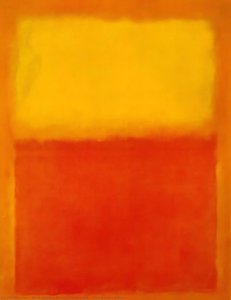 Oranssi ja keltainen1956
Esseitä teoksesta Untitled
 Kolmen kankaan tarina: Valinnan tunteellinen resonanssi ja identiteetin ilmentyminen taiteessaTutustu kolmen kankaan taiteen kiehtovaan maailmaan! Analysoimme Klimtin mestariteoksia ja paljastamme symboliikan. Asiantuntijoiden konsul…
 Mark Rothkon 25 mestariteosta: Värien syvyydessä – Taidetta kotiisi OriginalUniqueArtiltaTutustu Mark Rothkon 25 mestariteokseen ja syvälliseen maailmaan abstraktin ekspressionismin parissa. Löydä tunteelliset väritaulut, taideh…
 The Architecture of Emotion: A Connoisseur’s Guide to the Chromatic Sublimity of Mark RothkoExplore the profound emotional landscapes of Mark Rothko. An expert editorial on Color Field painting, decoding the spiritual depth, techni…