Fauvism · 1923
Nude (André Derain, 1923)
André Derain (1880–1954) on luonut teoksen Nude. Se on peräisin vuodelta 1923. Se kuuluu Fauvism-liikkeeseen. Se on valmistettu materiaalilla Oil On Canvas. Koko on 44 × 58 cm.
- 1923
- Oil On Canvas
- 44 × 58 cm

 Esikatselu

 Käsinmaalattu öljymaalaus
 Jaa teos
 Jaa
 Tiedot-arkki


 Lataa kuva
 Samanlaisia kohteita
 Röntgenkuvaus
 Diaesitys
 Kysymykset ja vastaukset

 Tilastot
Nude lyhyesti
- Otsikko
- Nude
- Taiteilija
- André Derain (1880–1954)
- Taiteilija syntynyt
- Chatou, Ranska
- Päivämäärä
- 1923
- Tekniikka
- Oil On Canvas
- Mitat
- 44 × 58 cm
- Tyylisuunta
- Fauvism
- Aikakausi
- Modern
- Aihe
- woman, nude, female figure, grayscale, seated woman
Mitä Nude esittää?
Identification of the Nude by André Derain
In this 1923 work, titled Nude, André Derain turns his attention to the quietude of the human form. The painting presents a nude female figure, captured in a moment of stillness that invites a closer, more intimate observation. It is a study of presence and form, rendered with a focus on the essential character of the subject.
The artist, André Derain, approaches the figure with a sense of restraint. Rather than relying on the loud, unmixed hues of his earlier Fauvist period, this piece reflects a more disciplined sensibility. The subject is seated and facing forward, occupying the central space of the composition. There is a certain gravity to her pose, suggesting a state of introspection or perhaps a quiet contemplation of her surroundings.
This work belongs to a period in the artist's career where structure and form began to take precedence. The figure is defined by simplified shapes and a deliberate use of line. It is a direct encounter with the subject, stripped of unnecessary distraction, allowing the viewer to focus entirely on the weight and volume of the female form as it exists within the frame.
Composition and Visual Elements
The figure is centrally positioned within the frame, creating a quiet sense of balance that draws the eye immediately to the subject. She is seated in a moment of stillness, her pose defined by arms crossed and resting upon her legs. This arrangement suggests a state of introspection or perhaps a simple, unhurried relaxation. The composition avoids complex spatial arrangements, opting instead for a relatively flat perspective that lacks a strong sense of depth, keeping the viewer's attention fixed on the immediate presence of the form.
There is a deliberate simplification in how the human form is rendered. The artist employs simplified geometric shapes to represent the body, using curves to trace the silhouette while sharper angles define the features of the face, such as the nose and eyebrows. This structural approach gives the figure a certain weight and presence despite the lack of environmental detail. The background remains largely undefined, which serves to isolate the subject and emphasize the contours of her body.
The palette is strictly monochromatic, relying on a controlled range of shades including gray, white, and black. Rather than using color to create volume, the artist uses subtle variations in tone to model the figure. Strong, visible brushstrokes define the contours of the body and the facial features. These lines are not blended into smooth transitions; instead, they retain an individual character that adds a tactile energy to the surface. The interplay between these textured strokes and the softer areas of the skin creates a visual rhythm that is both disciplined and expressive.
Technique and Material Details
This work is an oil on canvas, executed with a deliberate and tactile approach to the medium. The artist employs visible brushstrokes that remain unblended in many areas, creating a surface defined by its physical texture. These marks are not merely marks of application but are essential to the structural definition of the figure, providing a sense of energy and movement across the form.
There is a clear evidence of layering and careful blending used to achieve subtle tonal variations. This technique allows for a nuanced transition between light and shadow, giving the subject a sense of volume and presence. The interplay of these layers creates a depth that relies on the weight of the paint rather than a reliance on linear perspective. The result is a surface where the materiality of the oil paint is as much a part of the composition as the subject itself.
Nude korkearesoluutioiset kuvat

André Derain, Nude (1923). Tekijänoikeudet vapaat.
Kysymyksiä teoksesta Nude, vastaukset
Milloin teos André Derain:n "Nude" on luotu?
André Derain:n "Nude" on luotu vuonna 1923.
Mitä tekniikkaa André Derain:n "Nude" on käytetty?
"Nude" on toteutettu tekniikalla Oil On Canvas.
Mitkä ovat alkuperäisen "Nude" mitat?
Teoksen "Nude" alkuperäiset mitat ovat 44 x 58 cm. Alkuperäiset mitat ovat hyödyllinen vertailukohta, kun valitset reproduktion kokoa.
Mitä aiheita teoksessa André Derain:n "Nude" esiintyy?
Teoksen André Derain:n "Nude" teemoihin kuuluvat woman, nude, female figure, grayscale, seated woman. Yhdessä ne tiivistävät teoksen aiheen.
Onko teoksen André Derain:n "Nude" kuva vapaasti käytettävissä?
André Derain:n "Nude" on vapaasti käytettävissä – tekijänoikeussuoja on päättynyt. Tämä tila määrittää, miten teoksen kuvaa saa käyttää uudelleen.
Kuka on teoksen "Nude" taiteilija?
Teos "Nude" on yhdistetty André Derain.
Mihin taidesuuntaukseen André Derain:n "Nude" kuuluu?
"Nude" on Fauvism-tyylisuuntaan kuuluva teos. Tyylisuunta ilmaisee taiteellisen perinteen, johon teos kuuluu.
Mihin kohtaan André Derain uraa teos "Nude" sijoittuu?
"Nude" edustaa taiteilijan André Derain tuotantokautta Return to order."
Kuinka vanha André Derain oli luodessaan "Nude" vuonna 1923?
Kun "Nude" luotiin vuonna 1923, André Derain (syntynyt 1880) oli 43 vuotias.
Tietoa taiteilijasta, André Derain
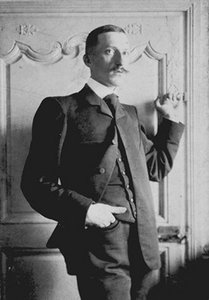
1880–1954, Ranska
André Derain
Varhaisluonnos, perhe ja koulutus Vuonna 1880 André Derain saapui maailmaan Chatoun kylässä, joka lepää Ranskan Yvelinesin alueen syleilyssä. Hänen varhaislapsuutensa muovautui Île-de-Francen hiljaisissa maisemissa, joissa ympäristön luonnollinen kauneus alkoi kylvää syvää uteliaisuutta. Jo vuonna 1895 hän oli aloittanut itsenäiset opiskelunsa, pyrkien ymmärtämään visuaalista maailmaa omien silmiensä kautta pikemminkin kuin muodollisen opetuksen kautta. Tämä itseohjautuneen tutkimuksen aika antoi hänelle mahdollisuuden kehittää omanlaisensa tavan nähdä maailma ennen kuin akatemioiden tiukat säännöt olisivat voineet rajoittaa hänen luovuuttaan.
Tietoa kohteesta André Derain André Derainn merkittävimpiä teoksia
Myös André Derain -teoksia
 bathers1907
 London Bridge1906
 Charing Cross from sw1906
 Landscape at L'Estaque1906
Esseitä teoksesta Nude
 French artworks of the 1920sIconic French works by Matisse and Léger define the 1920s. Explore the full collection online at OriginalUniqueArt.com.
 The Evolving Human Form: Tracing Light and Flesh from Impressionism to Post-ImpressionismExplore the evolution of the human form from academic realism to Post-Impressionism. Trace the history of light and flesh with us.
 The Architecture of Stillness: A Curated Study of Seated Figures in Art HistoryExplore the psychological depth of seated figures from Rembrandt to Roman realism. Discover the secrets of art history now.